


- Medical directory
- Specialities
- Specialised Units
 Teknon Cardiology Institute
 Obesity Unit
 Teknon Oncology Institute
 Bloodless Medicine and Surgery Unit
 Teknon Institute of Neurosciences
 Traffic Accident Care Unit
 Teknon Pulmonology Unit
 Maritime Medicine Unit
 Institute of Tissue Regenerative Therapy
 Teknon Pain Treatment Unit
 Teknon Tennis Clinic
 Systemic Inflammatory and Autoimmune Diseases Unit
 Assisted Reproduction Unit
 Sleep Unit
 Unidad de Síndromes de Sensibilización Central
 Unidad del Virus del Papiloma Humano
- Specialised Units
- Diagnostics
- Diagnostic tests
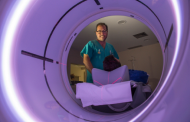 Diagnostic ImagingDiagnostic and interventional scans.
 Anatomical pathology laboratoryAllows to obtain a second opinion from renowned specialists.
 Clinical Analysis LaboratoryComprehensive service in the clinical area.
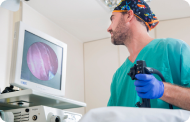 EndoscopyAn accurate diagnosis without conventional surgery.
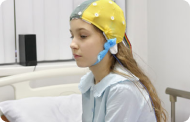 ElectrophysiologyFunctional exploration of the central nervous system.
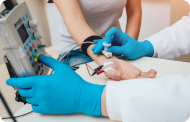 ElectromyographyClinical and neurophysiological evaluation of neuromuscular pathology.
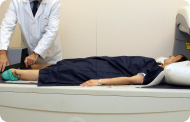 DensitometryDiagnostic technique for checking bone mineral density.
 UrodynamicsDiagnosis of urination disorders and incontinence.
- Medical check-ups

 GeneralThe most intelligent health check-up
 FullA comprehensive examination of your health
 Full PlusOur most exclusive check-up
 TravellersWhen travelling, your health is also part of your luggage
 SportA thorough review to boost your performance
 CardiologyGood news is knowing your heart is under control
 For companiesA tool that enhances employee satisfaction, productivity, and loyalty
- Diagnostic tests
- Our centre
- Teknon Healthcare Service Areas
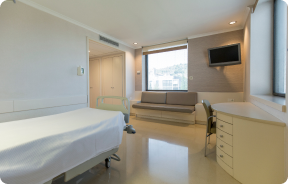 InpatientBright, functional and fully equipped rooms.
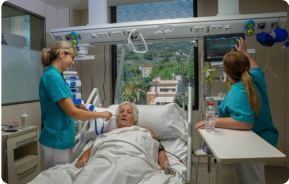 Semi-critical Care UnitEquipped with technology for diagnoses and treatments that require special care.
 Healthy Nutrition ProgrammeWe want to improve people’s health, which is why we promote healthy, conscious and sustainable nutrition at our hospitals.
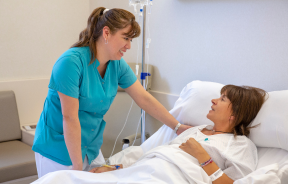 NursingOver 400 professionals.
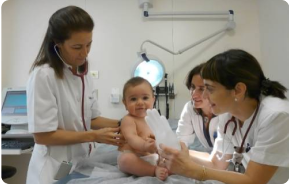 Emergency DepartmentUninterrupted operation, 24/7 at your service.
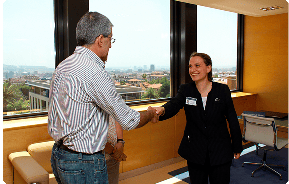 Exclusivity / Teknon ClubCommitted to superior and individualised service, we furnish a full range of services in conjunction with our medical and healthcare support.
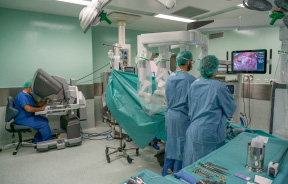 Surgical AreaA total of twenty (20) operating theatres, 12 of which are equipped for high-risk surgery.
 International ProgrammeA programme agent will provide you with comprehensive, personalised support
 Healthcare Ethics CommitteeGuidance for citizens and professionals in cases of moral conflicts.
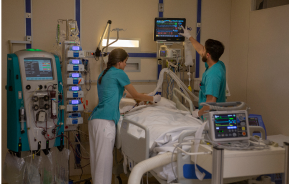 ICU-CCUMultipurpose unit incorporating treatment cubicles equipped with modern monitoring systems.
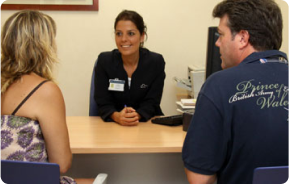 Patient servicesAvailable to all our patients and their companions.
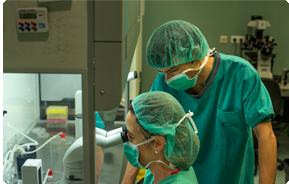 ResearchResearch is one of the cornerstones of Centro Médico Teknon.
 Personalised Follow-up ProgrammeWe accompany you throughout your medical journey. We organise your appointments and tests.
 Patient Quality and SafetyOur management models are based on the most stringent national and international standards.
- Teknon Healthcare Service Areas
- News
- News
 NewsKeep abreast of the events at Centro Médico Teknon. Visit our News section.
 AgendaHere we post upcoming events and discussions on relevant health topics. Visit our Agenda section to see what’s up.
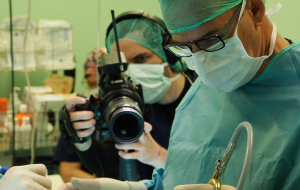 VideosThis section contains an extensive collection of videos related to our specialities.
 PodcastOur specialists discuss current medical topics, innovative treatments, health advice and patient experience.
 Health content
- News
- Blog


- Medical directory
- Specialities
- Specialised Units
- Teknon Cardiology Institute
- Obesity Unit
- Teknon Oncology Institute
- Bloodless Medicine and Surgery Unit
- Teknon Institute of Neurosciences
- Traffic Accident Care Unit
- Teknon Pulmonology Unit
- Maritime Medicine Unit
- Institute of Tissue Regenerative Therapy
- Teknon Pain Treatment Unit
- Teknon Tennis Clinic
- Systemic Inflammatory and Autoimmune Diseases Unit
- Assisted Reproduction Unit
- Sleep Unit
- Unidad de Síndromes de Sensibilización Central
- Unidad del Virus del Papiloma Humano
- Specialised Units
- Diagnostics
- Diagnostic tests
- Diagnostic ImagingDiagnostic and interventional scans.
- Anatomical pathology laboratoryAllows to obtain a second opinion from renowned specialists.
- Clinical Analysis LaboratoryComprehensive service in the clinical area.
- EndoscopyAn accurate diagnosis without conventional surgery.
- ElectrophysiologyFunctional exploration of the central nervous system.
- ElectromyographyClinical and neurophysiological evaluation of neuromuscular pathology.
- DensitometryDiagnostic technique for checking bone mineral density.
- UrodynamicsDiagnosis of urination disorders and incontinence.
- Medical check-ups
- GeneralThe most intelligent health check-up
- FullA comprehensive examination of your health
- Full PlusOur most exclusive check-up
- TravellersWhen travelling, your health is also part of your luggage
- SportA thorough review to boost your performance
- CardiologyGood news is knowing your heart is under control
- For companiesA tool that enhances employee satisfaction, productivity, and loyalty
- Diagnostic tests
- Our centre
- Teknon Healthcare Service Areas
- InpatientBright, functional and fully equipped rooms.
- Semi-critical Care UnitEquipped with technology for diagnoses and treatments that require special care.
- Healthy Nutrition ProgrammeWe want to improve people’s health, which is why we promote healthy, conscious and sustainable nutrition at our hospitals.
- NursingOver 400 professionals.
- Emergency DepartmentUninterrupted operation, 24/7 at your service.
- Exclusivity / Teknon ClubCommitted to superior and individualised service, we furnish a full range of services in conjunction with our medical and healthcare support.
- Surgical AreaA total of twenty (20) operating theatres, 12 of which are equipped for high-risk surgery.
- International ProgrammeA programme agent will provide you with comprehensive, personalised support
- Healthcare Ethics CommitteeGuidance for citizens and professionals in cases of moral conflicts.
- ICU-CCUMultipurpose unit incorporating treatment cubicles equipped with modern monitoring systems.
- Patient servicesAvailable to all our patients and their companions.
- ResearchResearch is one of the cornerstones of Centro Médico Teknon.
- Personalised Follow-up ProgrammeWe accompany you throughout your medical journey. We organise your appointments and tests.
- Patient Quality and SafetyOur management models are based on the most stringent national and international standards.
- Teknon Healthcare Service Areas
- News
- News
- NewsKeep abreast of the events at Centro Médico Teknon. Visit our News section.
- AgendaHere we post upcoming events and discussions on relevant health topics. Visit our Agenda section to see what’s up.
- VideosThis section contains an extensive collection of videos related to our specialities.
- PodcastOur specialists discuss current medical topics, innovative treatments, health advice and patient experience.
- Health content
- News
- Blog


- Specialities
 Unidad de Paidopsiquiatría
- Datos de interés
- Child and adolescent learning disorders (Dyslexia and Dyscalculia)

- Centro Médico Teknon
- Centro Médico Teknon

At Centro Médico Teknon, we have professionals specialized in learning disorders, experts in child psychology, neuropsychology, child psychiatry and educational and learning support re-education.
Many children and adolescents with school difficulties do not present a lack of capacity or effort. On numerous occasions, behind low academic performance, demotivation, school blockage, or emotional suffering, there are specific learning difficulties that require a specialized assessment and appropriate intervention.
Early detection and personalized treatment are crucial to prevent school failure, low self-esteem, and the associated emotional impact.
What are learning disorders?
Learning disorders affect the acquisition and automation of basic academic skills such as reading, writing, or mathematical calculation.
These difficulties usually appear during school age and can significantly interfere with:
- Academic performance.
- Reading comprehension.
- Writing and spelling.
- Mathematical reasoning.
- Organization and school autonomy.
- Self-esteem and emotional well-being.
It is important to understand that specific learning disorders:
- Are not related or intelligence.
- Are not a consequence of lack of motivation.
- Do not appear because of poor education or lack of effort.
Many children and adolescents with these difficulties have average intelligence but require specific learning strategies and specialized support to reach their full potential.
Child and adolescent dyslexia
Dyslexia is one of the most frequent learning disorders and mainly affects reading, writing, and spelling.
It is related to difficulties in the phonological processing of language, that is, in the ability to identify, organize, and relate sounds to letters and words.
Children and adolescents with dyslexia may present:
- Slow reading or reading with frequent errors.
- Difficulty automating reading.
- Reading comprehension problems.
- Persistent spelling errors.
- Reversal of letters or syllables.
- Difficulty remembering verbal sequences.
- Fatigue and frustration with school tasks.
Dyslexia can go unnoticed for years, especially in children with good intellectual abilities or great compensatory effort. In many cases, this generates:
- Low self-esteem.
- School anxiety.
- Academic block.
- Demotivation.
- Constant feeling of frustration or inability.
A specialized neuropsychological assessment allows the real difficulties to be detected, and an intervention plan adapted to each child or adolescent to be designed.
Dyscalculia: difficulties in mathematics and numerical reasoning
Dyscalculia is a specific learning disorder that affects the understanding of numbers and mathematical processing.
Children with dyscalculia may have difficulties with:
- Understanding quantities and magnitudes.
- Memorize tables or numerical sequences.
- Performing mental calculations.
- Solving mathematical problems.
- Understanding abstract concepts related to time or money.
- Automating basic operations.
These difficulties appear despite adequate schooling and average intellectual capacity. Dyscalculia usually generates:
- Academic frustration.
- Avoiding mathematical tasks.
- Insecurity and school anxiety.
- Low self-esteem is related to academic performance.
Children with dyscalculia often stand out in other areas such as creativity, language or verbal reasoning.
Warning signs in learning disorders
It is advisable to carry out a specialized assessment if the following appear:
- Delay in the acquisition of reading or writing.
- Persistent difficulty reading.
- Very frequent spelling errors.
- Excessive slowness in school tasks.
- Significant difficulties in mathematics.
- Ejection of school.
- Low academic self-esteem.
- Anxiety about exams or homework.
- Excessive fatigue is related to learning.
Early detection is key to preventing academic difficulties from impacting the emotional and social development of the child or adolescent.
Specialized assessment of learning difficulties
At Centro Médico Teknon, we carry out complete and individualized assessments to understand the cognitive, emotional and academic profile of each patient.
The assessment may include:
- Neuropsychological assessment.
- Assessment of reading, writing, and calculation.
- Assessment of attention and executive functions.
- Emotional exploration and self-esteem.
- Coordination with the school and other professionals.
Our objective is to identify the specific strengths and difficulties of each child to design a personalized and effective intervention.
Treatment and educational and learning support re-education
Early intervention significantly improves the academic and emotional evolution of children and adolescents with learning disorders.
In our unit, we carry out individualized educational and learning support, and neuropsychological re-education treatments, adapted to specific needs.
We work on areas such as:
- Phonological awareness and verbal processing.
- Phoneme-grapheme correspondence.
- Reading fluency and comprehension.
- Written expressions and spelling.
- Learning strategies.
- Attention and executive functions.
- Mathematical reasoning and calculation.
- Organisation and school autonomy.
The interventions are adapted to the diagnosis, age and neurocognitive profile of the child or adolescent, combining techniques based on scientific evidence.
Emotional support and family accompaniment
Learning difficulties do not only affect academic performance. They frequently generate insecurity, anxiety, low self-esteem, and on some occasions, this can generate a certain suffering.
For this reason, we also work with families to:
- Understand the difficulties.
- Reduce pressure and emotional exhaustion.
- Improve school and family habits and dynamics.
- Favour motivation and self-esteem.
- Coordinate school adaptations when necessary.
In addition, we carry out continuous follow-up of patients and their families, also with schools and other professionals to guarantee a global approach.
At the Child and Adolescent Psychiatry Unit, we offer highly specialized care in learning disorders, neurodevelopment, and mental health.
Our commitment is to help each child and adolescent understand their strengths and difficulties, enhance their abilities and regain confidence in themselves, promoting their emotional well-being, academic development and quality of life.