


- Medical directory
- Specialities
- Specialised Units
 Teknon Cardiology Institute
 Obesity Unit
 Teknon Oncology Institute
 Bloodless Medicine and Surgery Unit
 Teknon Institute of Neurosciences
 Traffic Accident Care Unit
 Teknon Pulmonology Unit
 Maritime Medicine Unit
 Institute of Tissue Regenerative Therapy
 Teknon Pain Treatment Unit
 Teknon Tennis Clinic
 Systemic Inflammatory and Autoimmune Diseases Unit
 Assisted Reproduction Unit
 Sleep Unit
 Unidad de Síndromes de Sensibilización Central
 Unidad del Virus del Papiloma Humano
- Specialised Units
- Diagnostics
- Diagnostic tests
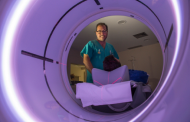 Diagnostic ImagingDiagnostic and interventional scans.
 Anatomical pathology laboratoryAllows to obtain a second opinion from renowned specialists.
 Clinical Analysis LaboratoryComprehensive service in the clinical area.
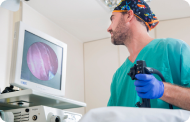 EndoscopyAn accurate diagnosis without conventional surgery.
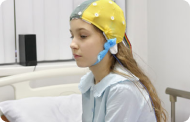 ElectrophysiologyFunctional exploration of the central nervous system.
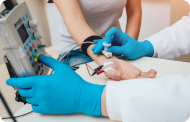 ElectromyographyClinical and neurophysiological evaluation of neuromuscular pathology.
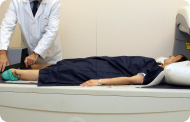 DensitometryDiagnostic technique for checking bone mineral density.
 UrodynamicsDiagnosis of urination disorders and incontinence.
- Medical check-ups

 GeneralThe most intelligent health check-up
 FullA comprehensive examination of your health
 Full PlusOur most exclusive check-up
 TravellersWhen travelling, your health is also part of your luggage
 SportA thorough review to boost your performance
 CardiologyGood news is knowing your heart is under control
 For companiesA tool that enhances employee satisfaction, productivity, and loyalty
- Diagnostic tests
- Our centre
- Teknon Healthcare Service Areas
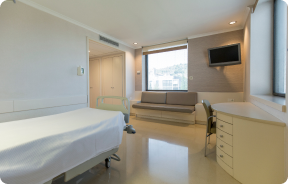 InpatientBright, functional and fully equipped rooms.
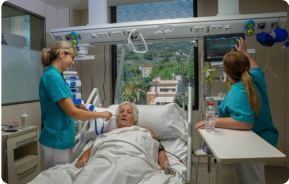 Semi-critical Care UnitEquipped with technology for diagnoses and treatments that require special care.
 Healthy Nutrition ProgrammeWe want to improve people’s health, which is why we promote healthy, conscious and sustainable nutrition at our hospitals.
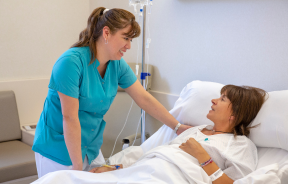 NursingOver 400 professionals.
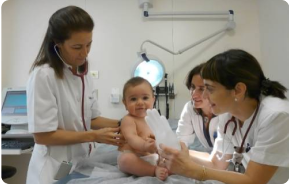 Emergency DepartmentUninterrupted operation, 24/7 at your service.
 Exclusivity / Teknon ClubCommitted to superior and individualised service, we furnish a full range of services in conjunction with our medical and healthcare support.
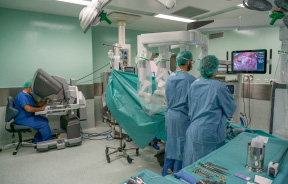 Surgical AreaA total of twenty (20) operating theatres, 12 of which are equipped for high-risk surgery.
 International ProgrammeA programme agent will provide you with comprehensive, personalised support
 Healthcare Ethics CommitteeGuidance for citizens and professionals in cases of moral conflicts.
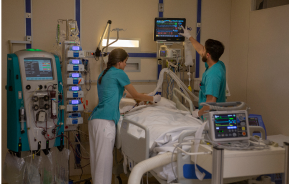 ICU-CCUMultipurpose unit incorporating treatment cubicles equipped with modern monitoring systems.
 Patient servicesAvailable to all our patients and their companions.
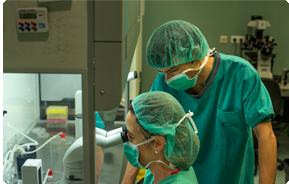 ResearchResearch is one of the cornerstones of Centro Médico Teknon.
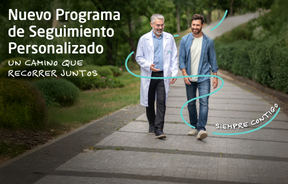 Personalised Follow-up ProgrammeWe accompany you throughout your medical journey. We organise your appointments and tests.
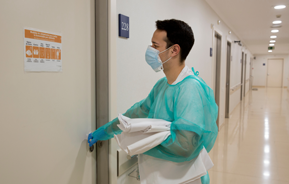 Patient Quality and SafetyOur management models are based on the most stringent national and international standards.
- Teknon Healthcare Service Areas
- News
- News
 NewsKeep abreast of the events at Centro Médico Teknon. Visit our News section.
 AgendaHere we post upcoming events and discussions on relevant health topics. Visit our Agenda section to see what’s up.
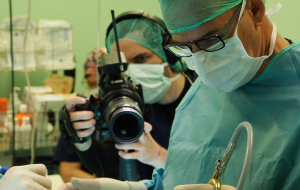 VideosThis section contains an extensive collection of videos related to our specialities.
 PodcastOur specialists discuss current medical topics, innovative treatments, health advice and patient experience.
 Health content
- News
- Blog


- Medical directory
- Specialities
- Specialised Units
- Teknon Cardiology Institute
- Obesity Unit
- Teknon Oncology Institute
- Bloodless Medicine and Surgery Unit
- Teknon Institute of Neurosciences
- Traffic Accident Care Unit
- Teknon Pulmonology Unit
- Maritime Medicine Unit
- Institute of Tissue Regenerative Therapy
- Teknon Pain Treatment Unit
- Teknon Tennis Clinic
- Systemic Inflammatory and Autoimmune Diseases Unit
- Assisted Reproduction Unit
- Sleep Unit
- Unidad de Síndromes de Sensibilización Central
- Unidad del Virus del Papiloma Humano
- Specialised Units
- Diagnostics
- Diagnostic tests
- Diagnostic ImagingDiagnostic and interventional scans.
- Anatomical pathology laboratoryAllows to obtain a second opinion from renowned specialists.
- Clinical Analysis LaboratoryComprehensive service in the clinical area.
- EndoscopyAn accurate diagnosis without conventional surgery.
- ElectrophysiologyFunctional exploration of the central nervous system.
- ElectromyographyClinical and neurophysiological evaluation of neuromuscular pathology.
- DensitometryDiagnostic technique for checking bone mineral density.
- UrodynamicsDiagnosis of urination disorders and incontinence.
- Medical check-ups
- GeneralThe most intelligent health check-up
- FullA comprehensive examination of your health
- Full PlusOur most exclusive check-up
- TravellersWhen travelling, your health is also part of your luggage
- SportA thorough review to boost your performance
- CardiologyGood news is knowing your heart is under control
- For companiesA tool that enhances employee satisfaction, productivity, and loyalty
- Diagnostic tests
- Our centre
- Teknon Healthcare Service Areas
- InpatientBright, functional and fully equipped rooms.
- Semi-critical Care UnitEquipped with technology for diagnoses and treatments that require special care.
- Healthy Nutrition ProgrammeWe want to improve people’s health, which is why we promote healthy, conscious and sustainable nutrition at our hospitals.
- NursingOver 400 professionals.
- Emergency DepartmentUninterrupted operation, 24/7 at your service.
- Exclusivity / Teknon ClubCommitted to superior and individualised service, we furnish a full range of services in conjunction with our medical and healthcare support.
- Surgical AreaA total of twenty (20) operating theatres, 12 of which are equipped for high-risk surgery.
- International ProgrammeA programme agent will provide you with comprehensive, personalised support
- Healthcare Ethics CommitteeGuidance for citizens and professionals in cases of moral conflicts.
- ICU-CCUMultipurpose unit incorporating treatment cubicles equipped with modern monitoring systems.
- Patient servicesAvailable to all our patients and their companions.
- ResearchResearch is one of the cornerstones of Centro Médico Teknon.
- Personalised Follow-up ProgrammeWe accompany you throughout your medical journey. We organise your appointments and tests.
- Patient Quality and SafetyOur management models are based on the most stringent national and international standards.
- Teknon Healthcare Service Areas
- News
- News
- NewsKeep abreast of the events at Centro Médico Teknon. Visit our News section.
- AgendaHere we post upcoming events and discussions on relevant health topics. Visit our Agenda section to see what’s up.
- VideosThis section contains an extensive collection of videos related to our specialities.
- PodcastOur specialists discuss current medical topics, innovative treatments, health advice and patient experience.
- Health content
- News
- Blog


- Specialities
 Unidad de Paidopsiquiatría
- Datos de interés
- Child and adolescent anxiety

- Centro Médico Teknon
- Centro Médico Teknon

Anxiety in children and adolescents can profoundly affect their emotional well-being, academic performance, social relationships and family life. Although feeling fear or worry is part of normal development, when anxiety becomes intense, persistent or interferes with daily life, it can become anxiety disorder that requires specialized assessment and individualized psychological treatment.
At the Child and Adolescent Psychiatry Unit, our objective is to help children, adolescents and families understand what is happening, identify the origin of the difficulties and offer effective tools to recover well-being, security and emotional autonomy.
How do I know if my son or daughter is anxious?
Child anxiety can be manifested in different ways depending on the age and personality of the child or adolescent.
The most frequent symptoms of anxiety in children and adolescents include:
Emotional and psychological symptoms:
- Excessive and constant worry.
- Intense fear of making mistakes or failing.
- Recurrent negative thoughts.
- Continuous need for security or reassurance.
- Irritability or emotional hypersensitivity.
- Low self-esteem and insecurity.
Physical symptoms of anxiety:
- Stomach pain or nausea without a medical cause.
- Frequent headache.
- Palpitations or feeling of shortness of breath.
- Muscle tension.
- Dizziness or feeling of blockage.
- Sleep problems or constant tiredness.
Behavioural symptoms:
- Avoid school or social situations.
- Difficulty separating from parents.
- Blockage in exams or everyday activities.
- Frequent crying or intense tantrums.
- Social isolation.
Types of anxiety disorders in children and adolescents
1- Separation anxiety disorder
It is one of the most frequent anxiety disorders in childhood. The child experiences an intense and disproportionate fear of separating from their attachment figures.
It can manifest through:
- Crying or intense distress when separating.
- Fear that something will happen to family.
- School refusal.
- Difficulty sleeping alone.
- Constant need for contact and security.
When this fear interferes with daily life and persists over time, it is important to carry out a specialized assessment.
2- Social anxiety
Social anxiety in adolescents and children appears when there is an intense fear of being judged, rejected or making a fool of oneself in front of other people.
It can seriously affect:
- Social relationships.
- Self-esteem.
- School participation.
- Personal autonomy.
Some frequent signs are:
- Extreme shame.
- Avoidance of presentations or social interaction.
- Fear of speaking in class.
- Mental blockage in social situations.
- Anticipatory anxiety before social events.
3- Generalized anxiety disorder (GAD)
The child or adolescent lives in a constant state of worry that is difficult to control. Worries usually focus on:
- School performance.
- Own or family health.
- Social relationships.
- Future mistakes or failures.
- Need to do "everything perfectly".
Generalized anxiety is usually accompanied by:
- Constant restlessness.
- Irritability.
- Concentration problems.
- Physical and emotional fatigue.
- Sleep difficulties.
4- Panic disorder
Panic attacks in adolescents can appear suddenly and unexpectedly, generating an intense feeling of fear or loss of control.
The most common symptoms include:
- Palpitations.
- Feeling of shortness of breath.
- Dizziness or trembling.
- Chest tightness.
- Fear of dying or "getting crazy".
- Feeling of disconnection or unreality.
After several episodes, many adolescents develop fear that it will happen again, beginning to avoid everyday places or situations.
5- Agoraphobia
Agoraphobia is an anxiety disorder in which certain situations generate intense fear due to the fear of not being able to escape or receive help if anxiety appears.
It can affect situations such as:
- Public transport.
- Crowded places.
- Open or closed spaces.
- Shopping centres.
- Leaving home alone.
This can cause significant isolation and limitation in daily life.
6- Specific phobias
Childhood phobias involve an intense and disproportionate fear of specific objects or situations such as:
- Darkness.
- Animals.
- Storms.
- Blood or wounds.
- Vomiting.
- Medical procedures.
When fear conditions daily life or generates great emotional suffering, early intervention is recommended.
7- Selective mutism
Selective mutism is a childhood anxiety disorder in which the child can speak normally in certain contexts but is unable to do so in specific social situations, or with people who are not from their circle.
It is not extreme shyness nor a lack of will, but an anxious difficulty that requires specialized intervention.
Why do child and adolescent anxiety appear?
Anxiety disorders do not have a single cause. Multiple factors usually intervene:
- Biological and genetic factors.
- Sensitive or perfectionist temperament.
- Stress or difficult life experiences.
- Academic or social pressure.
- Family or emotional difficulties.
- Experiences of rejection, bullying, or insecurity.
Each child or adolescent needs an individualized assessment to understand which factors are maintaining their distress.
Specialized treatment of child and adolescent anxiety
At Centro Médico Teknon, we carry out comprehensive and personalized treatment of anxiety disorders in children and adolescents.
1. Child and adolescent psychotherapy
Psychological therapy helps to:
- Understand and regulate the anxious symptomatology that generates distress.
- Improve self-esteem and personal security.
- Develop emotional regulation tools.
- Learn coping strategies.
- Gradually recover autonomy and confidence.
We also work with families; accompanying them is the key to a positive evolution of the child or adolescent.
We help parents to:
- Reduce dynamics that maintain fear.
- Favour progressive autonomy.
- Manage anxiety crises.
- Improve emotional communication.
2. School coordination
When It’s necessary, we collaborate with schools and external professionals to favour the academic and emotional adaptation of the child or adolescent.
3. Pharmacological treatment
In some cases, especially when anxiety is intense, disabling or persistent, it may be advisable to complement psychotherapy with psychopharmacological treatment supervised by specialists in child and adolescent psychiatry.