


- Medical directory
- Specialities
- Specialised Units
 Teknon Cardiology Institute
 Obesity Unit
 Teknon Oncology Institute
 Bloodless Medicine and Surgery Unit
 Teknon Institute of Neurosciences
 Traffic Accident Care Unit
 Teknon Pulmonology Unit
 Maritime Medicine Unit
 Institute of Tissue Regenerative Therapy
 Teknon Pain Treatment Unit
 Teknon Tennis Clinic
 Systemic Inflammatory and Autoimmune Diseases Unit
 Assisted Reproduction Unit
 Sleep Unit
 Unidad de Síndromes de Sensibilización Central
 Unidad del Virus del Papiloma Humano
- Specialised Units
- Diagnostics
- Diagnostic tests
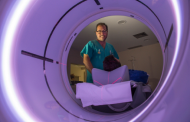 Diagnostic ImagingDiagnostic and interventional scans.
 Anatomical pathology laboratoryAllows to obtain a second opinion from renowned specialists.
 Clinical Analysis LaboratoryComprehensive service in the clinical area.
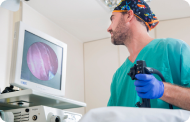 EndoscopyAn accurate diagnosis without conventional surgery.
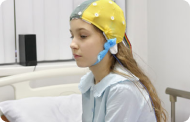 ElectrophysiologyFunctional exploration of the central nervous system.
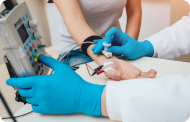 ElectromyographyClinical and neurophysiological evaluation of neuromuscular pathology.
 DensitometryDiagnostic technique for checking bone mineral density.
 UrodynamicsDiagnosis of urination disorders and incontinence.
- Medical check-ups

 GeneralThe most intelligent health check-up
 FullA comprehensive examination of your health
 Full PlusOur most exclusive check-up
 TravellersWhen travelling, your health is also part of your luggage
 SportA thorough review to boost your performance
 CardiologyGood news is knowing your heart is under control
 For companiesA tool that enhances employee satisfaction, productivity, and loyalty
- Diagnostic tests
- Our centre
- Teknon Healthcare Service Areas
 InpatientBright, functional and fully equipped rooms.
 Semi-critical Care UnitEquipped with technology for diagnoses and treatments that require special care.
 Healthy Nutrition ProgrammeWe want to improve people’s health, which is why we promote healthy, conscious and sustainable nutrition at our hospitals.
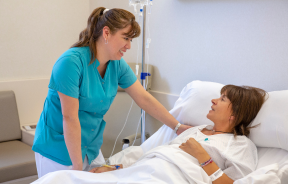 NursingOver 400 professionals.
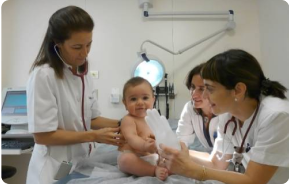 Emergency DepartmentUninterrupted operation, 24/7 at your service.
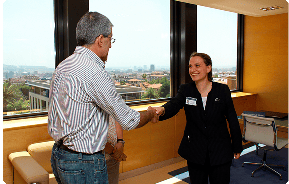 Exclusivity / Teknon ClubCommitted to superior and individualised service, we furnish a full range of services in conjunction with our medical and healthcare support.
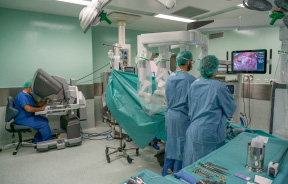 Surgical AreaA total of twenty (20) operating theatres, 12 of which are equipped for high-risk surgery.
 International ProgrammeA programme agent will provide you with comprehensive, personalised support
 Healthcare Ethics CommitteeGuidance for citizens and professionals in cases of moral conflicts.
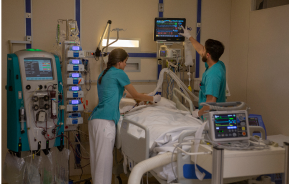 ICU-CCUMultipurpose unit incorporating treatment cubicles equipped with modern monitoring systems.
 Patient servicesAvailable to all our patients and their companions.
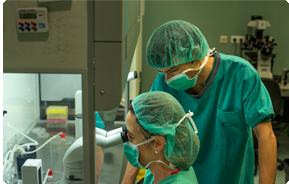 ResearchResearch is one of the cornerstones of Centro Médico Teknon.
 Personalised Follow-up ProgrammeWe accompany you throughout your medical journey. We organise your appointments and tests.
 Patient Quality and SafetyOur management models are based on the most stringent national and international standards.
- Teknon Healthcare Service Areas
- News
- News
 NewsKeep abreast of the events at Centro Médico Teknon. Visit our News section.
 AgendaHere we post upcoming events and discussions on relevant health topics. Visit our Agenda section to see what’s up.
 VideosThis section contains an extensive collection of videos related to our specialities.
 PodcastOur specialists discuss current medical topics, innovative treatments, health advice and patient experience.
 Health content
- News
- Blog


- Medical directory
- Specialities
- Specialised Units
- Teknon Cardiology Institute
- Obesity Unit
- Teknon Oncology Institute
- Bloodless Medicine and Surgery Unit
- Teknon Institute of Neurosciences
- Traffic Accident Care Unit
- Teknon Pulmonology Unit
- Maritime Medicine Unit
- Institute of Tissue Regenerative Therapy
- Teknon Pain Treatment Unit
- Teknon Tennis Clinic
- Systemic Inflammatory and Autoimmune Diseases Unit
- Assisted Reproduction Unit
- Sleep Unit
- Unidad de Síndromes de Sensibilización Central
- Unidad del Virus del Papiloma Humano
- Specialised Units
- Diagnostics
- Diagnostic tests
- Diagnostic ImagingDiagnostic and interventional scans.
- Anatomical pathology laboratoryAllows to obtain a second opinion from renowned specialists.
- Clinical Analysis LaboratoryComprehensive service in the clinical area.
- EndoscopyAn accurate diagnosis without conventional surgery.
- ElectrophysiologyFunctional exploration of the central nervous system.
- ElectromyographyClinical and neurophysiological evaluation of neuromuscular pathology.
- DensitometryDiagnostic technique for checking bone mineral density.
- UrodynamicsDiagnosis of urination disorders and incontinence.
- Medical check-ups
- GeneralThe most intelligent health check-up
- FullA comprehensive examination of your health
- Full PlusOur most exclusive check-up
- TravellersWhen travelling, your health is also part of your luggage
- SportA thorough review to boost your performance
- CardiologyGood news is knowing your heart is under control
- For companiesA tool that enhances employee satisfaction, productivity, and loyalty
- Diagnostic tests
- Our centre
- Teknon Healthcare Service Areas
- InpatientBright, functional and fully equipped rooms.
- Semi-critical Care UnitEquipped with technology for diagnoses and treatments that require special care.
- Healthy Nutrition ProgrammeWe want to improve people’s health, which is why we promote healthy, conscious and sustainable nutrition at our hospitals.
- NursingOver 400 professionals.
- Emergency DepartmentUninterrupted operation, 24/7 at your service.
- Exclusivity / Teknon ClubCommitted to superior and individualised service, we furnish a full range of services in conjunction with our medical and healthcare support.
- Surgical AreaA total of twenty (20) operating theatres, 12 of which are equipped for high-risk surgery.
- International ProgrammeA programme agent will provide you with comprehensive, personalised support
- Healthcare Ethics CommitteeGuidance for citizens and professionals in cases of moral conflicts.
- ICU-CCUMultipurpose unit incorporating treatment cubicles equipped with modern monitoring systems.
- Patient servicesAvailable to all our patients and their companions.
- ResearchResearch is one of the cornerstones of Centro Médico Teknon.
- Personalised Follow-up ProgrammeWe accompany you throughout your medical journey. We organise your appointments and tests.
- Patient Quality and SafetyOur management models are based on the most stringent national and international standards.
- Teknon Healthcare Service Areas
- News
- News
- NewsKeep abreast of the events at Centro Médico Teknon. Visit our News section.
- AgendaHere we post upcoming events and discussions on relevant health topics. Visit our Agenda section to see what’s up.
- VideosThis section contains an extensive collection of videos related to our specialities.
- PodcastOur specialists discuss current medical topics, innovative treatments, health advice and patient experience.
- Health content
- News
- Blog


- Specialities
 Unidad de Paidopsiquiatría
- Datos de interés
- What is obsessive-compulsive disorder (OCD)?

- Centro Médico Teknon
- Centro Médico Teknon

Obsessive-compulsive disorder (OCD) can appear in childhood and adolescence, and is characterized by the presence of obsessions, rituals and compulsions.
It is a condition in which the child or adolescent experiences intrusive thoughts that generate anxiety, together with repetitive behaviours carried out to try to reduce this distress.
Although many people have occasional intrusive thoughts, in OCD these become persistent, distressing and difficult to control, interfering with daily life.
Symptoms of OCD in children and adolescents
Obsessions
Obsessions are recurrent, intrusive, and unwanted thoughts or impulses that generate intense anxiety.
Main characteristics:
- They are experienced as bothersome or unacceptable.
- They generate fear, guilt or constant doubt.
Compulsions
Compulsions are repetitive behaviour's or mental acts that the child or adolescent performs to reduce the anxiety caused by obsessions.
They may include:
- Excessive handwashing or cleaning rituals
- Repeated checking
- Extreme ordering of objects
- Praying, counting or mentally repeating words
- Magical thinking (rituals to prevent harm to oneself or others)
- Hoarding
- Counting or number of rituals.
- Rituals to break contact with a person or object perceived as contaminated.
Although they generate immediate relief, they do not solve the problem and maintain distress in the long term.
How OCD works: the obsession-anxiety-compulsion cycle
OCD is maintained through a cycle:
- An obsession appears
- It generates intense anxiety
- A compulsive action is performed to relieve it
- Anxiety decreases temporarily
- It is learned that the ritual "works", reinforcing the problem
This cycle can take up more than one hour a day in rituals and affect school performance, family life, and social relationships.
Role of the family in childhood OCD
Family is the key to recovery.
It is recommended that parents:
- Maintain a calm and understanding attitude.
- Do not participate in the child's rituals.
- Avoid facilitating and reinforcing compulsions (for example, by facilitating washing or checking), without prohibiting or punishing them.
- Collaborate actively with psychological treatment.
Treatment of OCD in children and adolescents
OCD has effective treatment based on scientific evidence.
Cognitive-Behavioural Therapy (CBT)
It is the first-choice treatment according to international clinical guidelines. It includes:
- Psychoeducation
- Understanding what OCD is and how it works.
- Symptom hierarchy: A progressive list of feared situations is prepared, from least to greatest difficulty.
- Exposure with response prevention (ERP): The adolescent learns emotional regulation and relaxation techniques and, very gradually, is exposed from lesser to greater intensity to the situations that generate anxiety without performing the ritual, learning to tolerate distress until it gradually decreases.
- Anxiety management and emotional regulation strategies.
- Tools to reduce the emotional impact of obsessions.
- Work with families
- An essential element to consolidate therapeutic progress.
- Pharmacological treatment: In some cases, the support of pharmacological treatment may be necessary, always under the supervision of child and adolescent psychiatry.
- Pharmacological treatment
In some cases, especially when distress is intense and disabling, it may be advisable to complement psychotherapy with psychopharmacological treatment supervised by specialists in child and adolescent psychiatry.
Prognosis of OCD
With adequate treatment, the prognosis of OCD in children and adolescents is generally very favourable.
The objective of treatment is not to eliminate all intrusive thoughts (which can appear in anyone), but to ensure that:
- They do not generate significant distress
- They do not interfere with daily life
- The child has a better quality of life and recovers their school, social and family functioning