


- Medical directory
- Specialities
- Specialised Units
 Teknon Cardiology Institute
 Obesity Unit
 Teknon Oncology Institute
 Bloodless Medicine and Surgery Unit
 Teknon Institute of Neurosciences
 Traffic Accident Care Unit
 Teknon Pulmonology Unit
 Maritime Medicine Unit
 Institute of Tissue Regenerative Therapy
 Teknon Pain Treatment Unit
 Teknon Tennis Clinic
 Systemic Inflammatory and Autoimmune Diseases Unit
 Assisted Reproduction Unit
 Sleep Unit
 Unidad de Síndromes de Sensibilización Central
 Unidad del Virus del Papiloma Humano
- Specialised Units
- Diagnostics
- Diagnostic tests
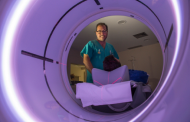 Diagnostic ImagingDiagnostic and interventional scans.
 Anatomical pathology laboratoryAllows to obtain a second opinion from renowned specialists.
 Clinical Analysis LaboratoryComprehensive service in the clinical area.
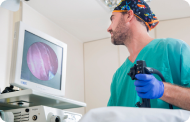 EndoscopyAn accurate diagnosis without conventional surgery.
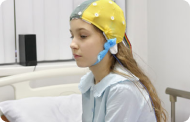 ElectrophysiologyFunctional exploration of the central nervous system.
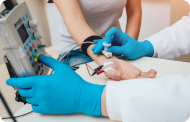 ElectromyographyClinical and neurophysiological evaluation of neuromuscular pathology.
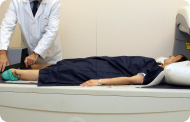 DensitometryDiagnostic technique for checking bone mineral density.
 UrodynamicsDiagnosis of urination disorders and incontinence.
- Medical check-ups

 GeneralThe most intelligent health check-up
 FullA comprehensive examination of your health
 Full PlusOur most exclusive check-up
 TravellersWhen travelling, your health is also part of your luggage
 SportA thorough review to boost your performance
 CardiologyGood news is knowing your heart is under control
 For companiesA tool that enhances employee satisfaction, productivity, and loyalty
- Diagnostic tests
- Our centre
- Teknon Healthcare Service Areas
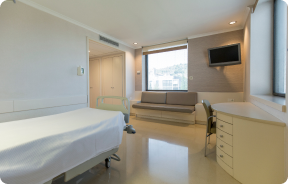 InpatientBright, functional and fully equipped rooms.
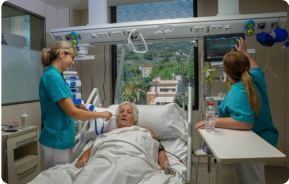 Semi-critical Care UnitEquipped with technology for diagnoses and treatments that require special care.
 Healthy Nutrition ProgrammeWe want to improve people’s health, which is why we promote healthy, conscious and sustainable nutrition at our hospitals.
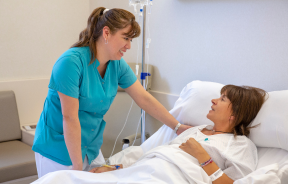 NursingOver 400 professionals.
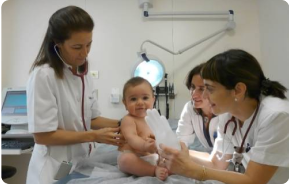 Emergency DepartmentUninterrupted operation, 24/7 at your service.
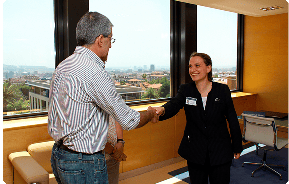 Exclusivity / Teknon ClubCommitted to superior and individualised service, we furnish a full range of services in conjunction with our medical and healthcare support.
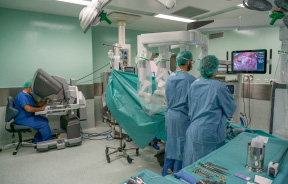 Surgical AreaA total of twenty (20) operating theatres, 12 of which are equipped for high-risk surgery.
 International ProgrammeA programme agent will provide you with comprehensive, personalised support
 Healthcare Ethics CommitteeGuidance for citizens and professionals in cases of moral conflicts.
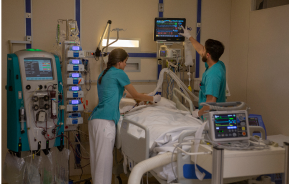 ICU-CCUMultipurpose unit incorporating treatment cubicles equipped with modern monitoring systems.
 Patient servicesAvailable to all our patients and their companions.
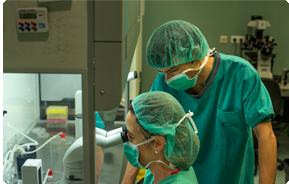 ResearchResearch is one of the cornerstones of Centro Médico Teknon.
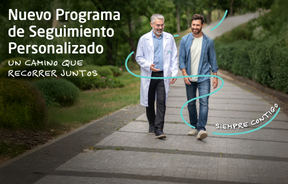 Personalised Follow-up ProgrammeWe accompany you throughout your medical journey. We organise your appointments and tests.
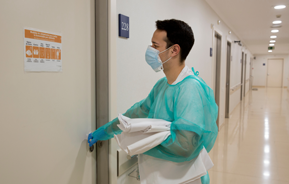 Patient Quality and SafetyOur management models are based on the most stringent national and international standards.
- Teknon Healthcare Service Areas
- News
- News
 NewsKeep abreast of the events at Centro Médico Teknon. Visit our News section.
 AgendaHere we post upcoming events and discussions on relevant health topics. Visit our Agenda section to see what’s up.
 VideosThis section contains an extensive collection of videos related to our specialities.
 PodcastOur specialists discuss current medical topics, innovative treatments, health advice and patient experience.
 Health content
- News
- Blog


- Medical directory
- Specialities
- Specialised Units
- Teknon Cardiology Institute
- Obesity Unit
- Teknon Oncology Institute
- Bloodless Medicine and Surgery Unit
- Teknon Institute of Neurosciences
- Traffic Accident Care Unit
- Teknon Pulmonology Unit
- Maritime Medicine Unit
- Institute of Tissue Regenerative Therapy
- Teknon Pain Treatment Unit
- Teknon Tennis Clinic
- Systemic Inflammatory and Autoimmune Diseases Unit
- Assisted Reproduction Unit
- Sleep Unit
- Unidad de Síndromes de Sensibilización Central
- Unidad del Virus del Papiloma Humano
- Specialised Units
- Diagnostics
- Diagnostic tests
- Diagnostic ImagingDiagnostic and interventional scans.
- Anatomical pathology laboratoryAllows to obtain a second opinion from renowned specialists.
- Clinical Analysis LaboratoryComprehensive service in the clinical area.
- EndoscopyAn accurate diagnosis without conventional surgery.
- ElectrophysiologyFunctional exploration of the central nervous system.
- ElectromyographyClinical and neurophysiological evaluation of neuromuscular pathology.
- DensitometryDiagnostic technique for checking bone mineral density.
- UrodynamicsDiagnosis of urination disorders and incontinence.
- Medical check-ups
- GeneralThe most intelligent health check-up
- FullA comprehensive examination of your health
- Full PlusOur most exclusive check-up
- TravellersWhen travelling, your health is also part of your luggage
- SportA thorough review to boost your performance
- CardiologyGood news is knowing your heart is under control
- For companiesA tool that enhances employee satisfaction, productivity, and loyalty
- Diagnostic tests
- Our centre
- Teknon Healthcare Service Areas
- InpatientBright, functional and fully equipped rooms.
- Semi-critical Care UnitEquipped with technology for diagnoses and treatments that require special care.
- Healthy Nutrition ProgrammeWe want to improve people’s health, which is why we promote healthy, conscious and sustainable nutrition at our hospitals.
- NursingOver 400 professionals.
- Emergency DepartmentUninterrupted operation, 24/7 at your service.
- Exclusivity / Teknon ClubCommitted to superior and individualised service, we furnish a full range of services in conjunction with our medical and healthcare support.
- Surgical AreaA total of twenty (20) operating theatres, 12 of which are equipped for high-risk surgery.
- International ProgrammeA programme agent will provide you with comprehensive, personalised support
- Healthcare Ethics CommitteeGuidance for citizens and professionals in cases of moral conflicts.
- ICU-CCUMultipurpose unit incorporating treatment cubicles equipped with modern monitoring systems.
- Patient servicesAvailable to all our patients and their companions.
- ResearchResearch is one of the cornerstones of Centro Médico Teknon.
- Personalised Follow-up ProgrammeWe accompany you throughout your medical journey. We organise your appointments and tests.
- Patient Quality and SafetyOur management models are based on the most stringent national and international standards.
- Teknon Healthcare Service Areas
- News
- News
- NewsKeep abreast of the events at Centro Médico Teknon. Visit our News section.
- AgendaHere we post upcoming events and discussions on relevant health topics. Visit our Agenda section to see what’s up.
- VideosThis section contains an extensive collection of videos related to our specialities.
- PodcastOur specialists discuss current medical topics, innovative treatments, health advice and patient experience.
- Health content
- News
- Blog


- Specialities
 Unidad de Paidopsiquiatría
- Datos de interés
- What are behavioural disorders in childhood and adolescence?

- Centro Médico Teknon
- Centro Médico Teknon

Behavioural disorders in children and adolescents encompass a set of emotional and behavioral difficulties characterized by a persistent pattern of defiant, oppositional or disruptive behaviour, which significantly interferes with daily life.
These problems can affect:
- Family coexistence
- School performance
- Social relationships
- Emotional and behavioural development
This group includes, among others, oppositional defiant disorder (ODD) and other more serious behavioural problems.
How behavioural problems manifest
Children with behavioural disorders may present:
- Frequent arguments with adults or authority figures.
- Repeated refusal to comply with rules or instructions.
- Irritability, anger, or frequent emotional outbursts.
- Provocative or defiant behaviours.
- Tendency to blame others for their mistakes, becoming defensive.
- Difficulties accepting limits or social rules.
These behaviours are not isolated episodes of "misbehaviour" but are persistent over time and lead to significant impairment in the child's or adolescent's life.
Difference between normal conduct and behavioural disorder
It is important to differentiate between:
Normal developmental behaviours
During childhood and adolescence, it is common for the following to appear:
- Occasional rebellion
- Occasional arguments
- Search for independence
Those behaviours are usually transient and contextual, and do not globally affect the child's functioning.
Behavioural disorders
In contrast, behavioural disorders are characterized by:
- Persistence over time
- High intensity
- Impact on family, school, and social life.
- Difficulty adapting to basic rules
Oppositional defiant disorder (ODD)
ODD is one of the most frequent disorders within behavioural problems in childhood. It is characterized by a persistent pattern of:
- Defiant behaviour toward authority figures
- Frequent irritability
- Constant arguments
- Negative or vindictive attitude
Assessment and diagnosis
The diagnosis of behavioural disorders is carried out through a specialized clinical assessment, which includes:
- Interview with the child or adolescent
- Information from the family and the school environment
- Assessment of the functional impact of the symptoms
- Exploration of possible associated disorders (such as ADHD or anxiety)
A complete assessment by professionals specialized in child and adolescent mental health is fundamental.
Treatment of behavioural disorders
The most effective treatment is the psychological and psychoeducational approach, adapted to each case.
- Psychological intervention
- Cognitive-behavioural therapy
- Training in emotional and social skills
- Behaviour regulation techniques
- Intervention in the family environment
- Work with the family
The role of parents is key. Treatment includes:
- Behavioural management strategies at home
- Establishment of clear and consistent limits
- Reinforcement of positive behaviours
- Coordination with the school
In many cases, it is necessary to coordinate the intervention with the school environment to favor the adaptation.
- Pharmacological treatment
In some specific cases, especially when associated disorders exist, pharmacological support may be necessary under specialized medical supervision.
Evolution and prognosis
With early and adequate intervention, many children and adolescents show significant improvement in symptoms and better family, school, and social adaptation.
Early detection and specialized treatment are key factors for the prognosis.