


- Medical directory
- Specialities
- Specialised Units
 Teknon Cardiology Institute
 Obesity Unit
 Teknon Oncology Institute
 Bloodless Medicine and Surgery Unit
 Teknon Institute of Neurosciences
 Traffic Accident Care Unit
 Teknon Pulmonology Unit
 Maritime Medicine Unit
 Institute of Tissue Regenerative Therapy
 Teknon Pain Treatment Unit
 Teknon Tennis Clinic
 Systemic Inflammatory and Autoimmune Diseases Unit
 Assisted Reproduction Unit
 Sleep Unit
 Unidad de Síndromes de Sensibilización Central
 Unidad del Virus del Papiloma Humano
- Specialised Units
- Diagnostics
- Diagnostic tests
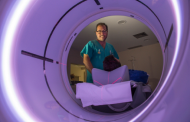 Diagnostic ImagingDiagnostic and interventional scans.
 Anatomical pathology laboratoryAllows to obtain a second opinion from renowned specialists.
 Clinical Analysis LaboratoryComprehensive service in the clinical area.
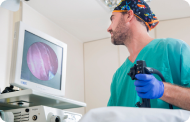 EndoscopyAn accurate diagnosis without conventional surgery.
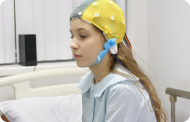 ElectrophysiologyFunctional exploration of the central nervous system.
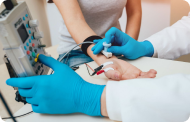 ElectromyographyClinical and neurophysiological evaluation of neuromuscular pathology.
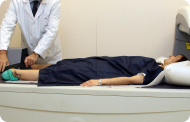 DensitometryDiagnostic technique for checking bone mineral density.
 UrodynamicsDiagnosis of urination disorders and incontinence.
- Medical check-ups

 GeneralThe most intelligent health check-up
 FullA comprehensive examination of your health
 Full PlusOur most exclusive check-up
 TravellersWhen travelling, your health is also part of your luggage
 SportA thorough review to boost your performance
 CardiologyGood news is knowing your heart is under control
 For companiesA tool that enhances employee satisfaction, productivity, and loyalty
- Diagnostic tests
- Our centre
- Teknon Healthcare Service Areas
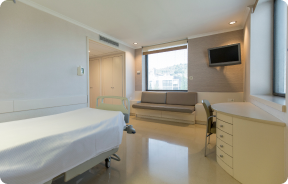 InpatientBright, functional and fully equipped rooms.
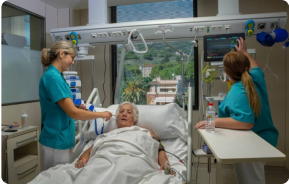 Semi-critical Care UnitEquipped with technology for diagnoses and treatments that require special care.
 Healthy Nutrition ProgrammeWe want to improve people’s health, which is why we promote healthy, conscious and sustainable nutrition at our hospitals.
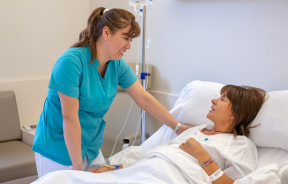 NursingOver 400 professionals.
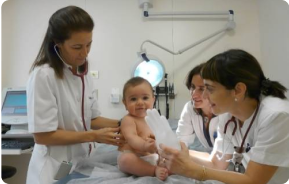 Emergency DepartmentUninterrupted operation, 24/7 at your service.
 Exclusivity / Teknon ClubCommitted to superior and individualised service, we furnish a full range of services in conjunction with our medical and healthcare support.
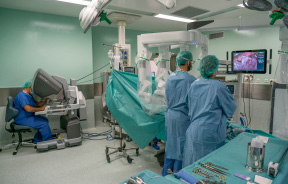 Surgical AreaA total of twenty (20) operating theatres, 12 of which are equipped for high-risk surgery.
 International ProgrammeA programme agent will provide you with comprehensive, personalised support
 Healthcare Ethics CommitteeGuidance for citizens and professionals in cases of moral conflicts.
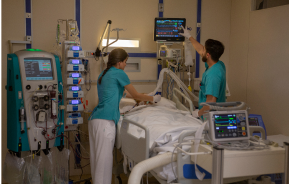 ICU-CCUMultipurpose unit incorporating treatment cubicles equipped with modern monitoring systems.
 Patient servicesAvailable to all our patients and their companions.
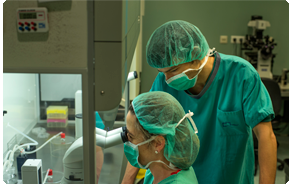 ResearchResearch is one of the cornerstones of Centro Médico Teknon.
 Personalised Follow-up ProgrammeWe accompany you throughout your medical journey. We organise your appointments and tests.
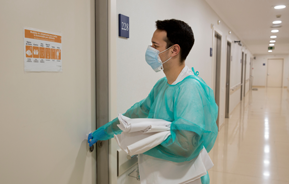 Patient Quality and SafetyOur management models are based on the most stringent national and international standards.
- Teknon Healthcare Service Areas
- News
- News
 NewsKeep abreast of the events at Centro Médico Teknon. Visit our News section.
 AgendaHere we post upcoming events and discussions on relevant health topics. Visit our Agenda section to see what’s up.
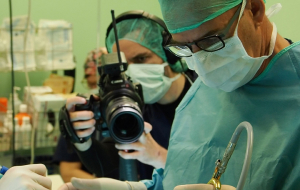 VideosThis section contains an extensive collection of videos related to our specialities.
 PodcastOur specialists discuss current medical topics, innovative treatments, health advice and patient experience.
 Health content
- News
- Blog


- Medical directory
- Specialities
- Specialised Units
- Teknon Cardiology Institute
- Obesity Unit
- Teknon Oncology Institute
- Bloodless Medicine and Surgery Unit
- Teknon Institute of Neurosciences
- Traffic Accident Care Unit
- Teknon Pulmonology Unit
- Maritime Medicine Unit
- Institute of Tissue Regenerative Therapy
- Teknon Pain Treatment Unit
- Teknon Tennis Clinic
- Systemic Inflammatory and Autoimmune Diseases Unit
- Assisted Reproduction Unit
- Sleep Unit
- Unidad de Síndromes de Sensibilización Central
- Unidad del Virus del Papiloma Humano
- Specialised Units
- Diagnostics
- Diagnostic tests
- Diagnostic ImagingDiagnostic and interventional scans.
- Anatomical pathology laboratoryAllows to obtain a second opinion from renowned specialists.
- Clinical Analysis LaboratoryComprehensive service in the clinical area.
- EndoscopyAn accurate diagnosis without conventional surgery.
- ElectrophysiologyFunctional exploration of the central nervous system.
- ElectromyographyClinical and neurophysiological evaluation of neuromuscular pathology.
- DensitometryDiagnostic technique for checking bone mineral density.
- UrodynamicsDiagnosis of urination disorders and incontinence.
- Medical check-ups
- GeneralThe most intelligent health check-up
- FullA comprehensive examination of your health
- Full PlusOur most exclusive check-up
- TravellersWhen travelling, your health is also part of your luggage
- SportA thorough review to boost your performance
- CardiologyGood news is knowing your heart is under control
- For companiesA tool that enhances employee satisfaction, productivity, and loyalty
- Diagnostic tests
- Our centre
- Teknon Healthcare Service Areas
- InpatientBright, functional and fully equipped rooms.
- Semi-critical Care UnitEquipped with technology for diagnoses and treatments that require special care.
- Healthy Nutrition ProgrammeWe want to improve people’s health, which is why we promote healthy, conscious and sustainable nutrition at our hospitals.
- NursingOver 400 professionals.
- Emergency DepartmentUninterrupted operation, 24/7 at your service.
- Exclusivity / Teknon ClubCommitted to superior and individualised service, we furnish a full range of services in conjunction with our medical and healthcare support.
- Surgical AreaA total of twenty (20) operating theatres, 12 of which are equipped for high-risk surgery.
- International ProgrammeA programme agent will provide you with comprehensive, personalised support
- Healthcare Ethics CommitteeGuidance for citizens and professionals in cases of moral conflicts.
- ICU-CCUMultipurpose unit incorporating treatment cubicles equipped with modern monitoring systems.
- Patient servicesAvailable to all our patients and their companions.
- ResearchResearch is one of the cornerstones of Centro Médico Teknon.
- Personalised Follow-up ProgrammeWe accompany you throughout your medical journey. We organise your appointments and tests.
- Patient Quality and SafetyOur management models are based on the most stringent national and international standards.
- Teknon Healthcare Service Areas
- News
- News
- NewsKeep abreast of the events at Centro Médico Teknon. Visit our News section.
- AgendaHere we post upcoming events and discussions on relevant health topics. Visit our Agenda section to see what’s up.
- VideosThis section contains an extensive collection of videos related to our specialities.
- PodcastOur specialists discuss current medical topics, innovative treatments, health advice and patient experience.
- Health content
- News
- Blog


- Especialitats
 Iliev Savchev Stefan
- Servicios
- Cáncer de mama

 Centro Médico TeknonHospital Quirónsalud Barcelona
 Centro Médico TeknonHospital Quirónsalud Barcelona

¿Qué es el cáncer de mama?
El cáncer de mama consiste en un crecimiento anormal y desordenado de las células de este tejido.
Anatomía de la mama
La mama está formada por una serie de glándulas mamarias, que producen leche tras el parto, y a las que se les denomina lóbulos y lobulillos.
Los lóbulos se encuentran conectados entre sí por unos tubos, conductos mamarios, que son los que conducen la leche al pezón, durante la lactancia, para alimentar al bebé.
Las glándulas (o lóbulos) y los conductos mamarios están inmersos en el tejido adiposo y en el tejido conjuntivo, que, junto con el tejido linfático, forman el seno.
A modo de muro de contención, actúa el músculo pectoral que se encuentra entre las costillas y la mama.
La piel recubre y protege toda la estructura mamaria.
El sistema linfático está formado por recipientes y vasos o conductos que contienen y conducen la linfa, que es un líquido incoloro formado por glóbulos blancos, en su mayoría linfocitos. Estas células reconocen cualquier sustancia extraña al organismo y liberan otras sustancias que destruyen al agente agresor.
- Tumores benignos
- Tumores malignos
- Tipos de cáncer de mama
- ¿Es una enfermedad frecuente?
- Pronóstico
- Clasificación TNM
- Estadios
- Principales factores de riesgo
- Factores de riesgo relacionados con el estilo de vida
- Síntomas
¿Cuáles son los síntomas?
En los estadios iniciales del cáncer de mama la mujer no suele presentar síntomas. El dolor de mama no es un signo de cáncer aunque el 10% de estas pacientes lo suelen presentar sin que se palpe ninguna masa.
El primer signo suele ser un bulto que, al tacto, se nota diferente del tejido mamario que lo rodea. Se suele notar con bordes irregulares, duro, y no duele al tocarlo. En ocasiones aparecen cambios de color y tirantez en la piel de la zona afectada.
No todos los tumores malignos presentan estas características pues algunos tienen bordes regulares y son suaves al tacto. Por este motivo, cuando se detecte cualquier anomalía se debe consultar con el médico.
En las primeras fases, el bulto bajo la piel se puede desplazar con los dedos. En fases más avanzadas, el tumor suele estar adherido a la pared torácica o a la piel que lo recubre y no se desplaza. El nódulo suele ser claramente palpable e incluso los ganglios de las axilaes pueden aumentar de tamaño. Los síntomas de estas etapas son muy variados y dependen del tamaño y la extensión del tumor.
Otros signos que pueden aparecer son:
- Dolor o retracción del pezón.
- Irritación o hendiduras de la piel.
- Inflamación de una parte del seno.
- Enrojecimiento o descamación de la piel o del pezón.
- Secreción por el pezón, que no sea leche materna.
- Diagnóstico precoz
- Autoexploración
- Mamografía
- Ecografía
- Resonancia magnética nuclear (RMN)
- Tomografía axial computadorizada (TAC)
- Tomografía por emisión de positrones (PET)
- Biopsia
- Otras pruebas
El tratamiento vendrá determinado por el tamaño del tumor y si ha habido extensión a los ganglios u otras zonas del cuerpo. Por lo general, cuando el tumor es menor de 1 centímetro de diámetro, la cirugía es suficiente para terminar con el cáncer y no se precisa de quimioterapia. No obstante, hay pocos casos en los que no se requiera un tratamiento complementario a la cirugía, bien con quimioterapia o con hormonoterapia. Actualmente el factor pronóstico más importante sigue siendo la afectación ganglionar: el número de ganglios afectados ayuda al oncólogo a seleccionar el tratamiento posterior.
La intervención quirúrgica, siempre realizada por un cirujano/ginecólogo experto en cáncer de mama, permite el control local de la enfermedad y llevar a cabo un diagnóstico riguroso gracias a que se pueden determinar las características del tumor y el número de ganglios afectados por células malignas.
- Seguimiento
Controles estrictos
Después de que la mujer se haya sometido al tratamiento para la eliminación del cáncer de mama, tiene que realizar unos controles más estrictos durante los cinco primeros años. Pasados éstos deberá seguir controlándose como cualquier otra paciente sana.
Los controles son los siguientes:
- Durante los dos primeros años, tendrá que realizarse exploraciones físicas cada tres meses y una mamografía anual.
- Durante los siguientes tres años, las exploraciones físicas las realizará cada seis meses y la mamografía también será anual.
- Estos controles no precisarán de ninguna otra prueba siempre que la mujer se encuentre asintomática y su médico así lo crea conveniente.
- Otras pruebas que no son infrecuentes son un análisis de sangre, una radiografía de tórax y una radiografía ósea seriada. Se puede realizar alguna otra prueba relacionada con cualquier sintomatología que presente la paciente.