


- Cuadro médico
- Especialidades
- Unidades especializadas
 Instituto del Corazón
 Unidad de Obesidad
 Instituto Oncológico
 Unidad de Medicina y Cirugía sin sangre
 Instituto de Neurociencias
 Unidad de Atención al Lesionado de Tráfico
 Instituto de Neumología
 Unidad de Medicina Marítima
 Instituto de Terapia Regenerativa Tisular
 Unidad de Tratamiento del Dolor
 Clínica del Tenis
 Unidad de Enfermedades Inflamatorias y Autoinmunes
 Unidad de Reproducción
Asistida
Unidad de Reproducción
Asistida Unidad del Sueño
 Unidad de Síndromes de Sensibilización Central
 Unidad del Virus del Papiloma Humano
- Unidades especializadas
- Área diagnóstica
- Pruebas diagnósticas
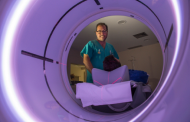 Diagnóstico por la imagenExploraciones diagnósticas e intervencionistas.
 Laboratorio de anatomía patológicaDispone de una segunda opinión de la mano de especialistas.
 Laboratorio de análisis clínicosServicio integral en el área clínica.
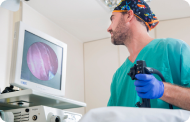 EndoscopiaDiagnóstico preciso sin utilizar la cirugía.
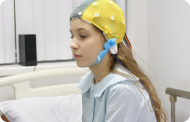 ElectrofisiologíaExploración funcional del Sistema Nervioso Central.
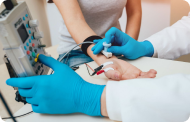 ElectromiografíaEvaluación clínica y neurofisiológica de la patología neuromuscular.
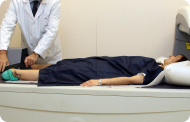 DensitometríaTécnica diagnóstica para comprobar la densidad mineral del hueso.
 UrodinamiaDiagnóstico de los trastornos de micción e incontinencia.
- Chequeos médicos

 GeneralUn control inteligente de tu salud
 CompletoUn examen exhaustivo de tu salud
 Completo PlusNuestro chequeo más exclusivo
 ViajerosSi vas a emprender un viaje, tu salud es parte del equipaje
 DeportivoUna revisión a fondo para potenciar tu rendimiento
 CardiológicoUna buena noticia es saber que tu corazón está bajo control
 Para empresasUna herramienta que potencia la satisfacción, productividad y fidelización del empleado
- Pruebas diagnósticas
- Nuestro Centro
- Entorno asistencial Teknon
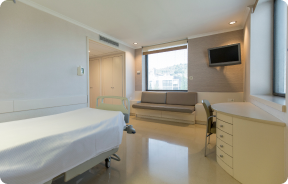 HospitalizaciónHabitaciones luminosas, funcionales y completamente equipadas.
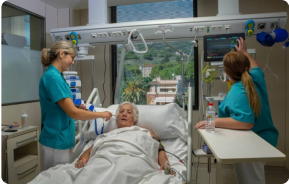 Unidad de SemicríticosDotada de tecnología para diagnósticos y tratamientos que requieren cuidado especial.
 Programa de Alimentación SaludableQueremos mejorar la salud de las personas, por ello promovemos una alimentación saludable, consciente y sostenible en nuestros hospitales.
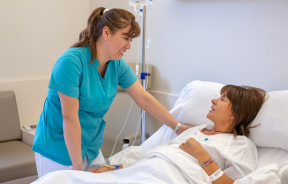 EnfermeríaEquipo de más de 400 profesionales.
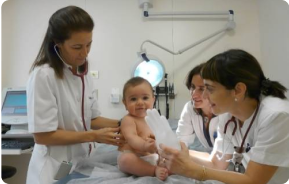 Servicio de Urgencias24 horas al día a tu servicio sin interrupciones.
 Área Paciente PrivadoBasado en la alta calidad y el servicio personalizado, ofrecemos un conjunto de servicios que complementan los cuidados médico-asistenciales
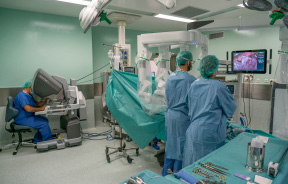 Área QuirúrgicaCuenta con 20 quirófanos, 12 de ellos preparados para cirugía de alto riesgo.
 Programa internacionalUn asistente de este programa le ofrecerá atención integral y personalizada
 Comité de Ética AsistencialAyuda a ciudadanos y profesionales a orientar su actuación en casos de conflictos morales.
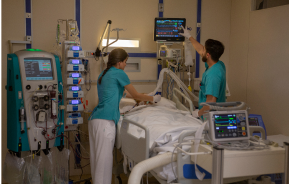 UCI-UCUnidad polivalente con boxes equipados con modernos sistemas de monitorización.
 Atención al pacienteA disposición de todos los pacientes y acompañantes del centro.
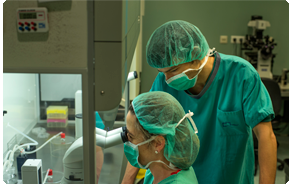 InvestigaciónLa investigación constituye uno de los pilares básicos de Centro Médico Teknon.
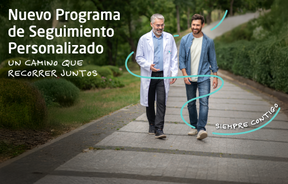 Programa de Seguimiento PersonalizadoTe acompañamos durante tu proceso médico. Organizamos y agendamos tus citas y pruebas.
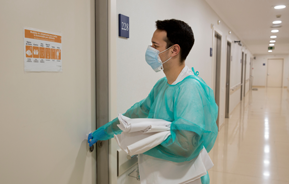 Calidad y Seguridad del PacienteAdoptamos modelos de gestión basados en los estándares más exigentes nacionales e internacionales.
- Entorno asistencial Teknon
- Actualidad
- Actualidad
 NoticiasConoce qué está pasando en Centro Médico Teknon. Consulta nuestra sección de noticias.
 AgendaPuedes encontrar todos los eventos que hemos organizado sobre salud y aquellos temas de actualidad que te pueden interesar. Accede a nuestra agenda de actividades.
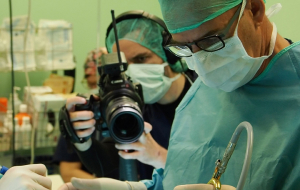 VídeosEn esta sección encontrarás una amplia colección de videos relacionados con nuestras especialidades.
 PodcastTemas médicos de actualidad, tratamientos innovadores, consejos de salud y experiencias de pacientes abordados por nuestros especialistas.
 Contenidos de salud
- Actualidad
- Blog


- Cuadro médico
- Especialidades
- Unidades especializadas
- Instituto del Corazón
- Unidad de Obesidad
- Instituto Oncológico
- Unidad de Medicina y Cirugía sin sangre
- Instituto de Neurociencias
- Unidad de Atención al Lesionado de Tráfico
- Instituto de Neumología
- Unidad de Medicina Marítima
- Instituto de Terapia Regenerativa Tisular
- Unidad de Tratamiento del Dolor
- Clínica del Tenis
- Unidad de Enfermedades Inflamatorias y Autoinmunes
- Unidad de Reproducción
Asistida
- Unidad del Sueño
- Unidad de Síndromes de Sensibilización Central
- Unidad del Virus del Papiloma Humano
- Unidades especializadas
- Área diagnóstica
- Pruebas diagnósticas
- Diagnóstico por la imagenExploraciones diagnósticas e intervencionistas.
- Laboratorio de anatomía patológicaDispone de una segunda opinión de la mano de especialistas.
- Laboratorio de análisis clínicosServicio integral en el área clínica.
- EndoscopiaDiagnóstico preciso sin utilizar la cirugía.
- ElectrofisiologíaExploración funcional del Sistema Nervioso Central.
- ElectromiografíaEvaluación clínica y neurofisiológica de la patología neuromuscular.
- DensitometríaTécnica diagnóstica para comprobar la densidad mineral del hueso.
- UrodinamiaDiagnóstico de los trastornos de micción e incontinencia.
- Chequeos médicos
- GeneralUn control inteligente de tu salud
- CompletoUn examen exhaustivo de tu salud
- Completo PlusNuestro chequeo más exclusivo
- ViajerosSi vas a emprender un viaje, tu salud es parte del equipaje
- DeportivoUna revisión a fondo para potenciar tu rendimiento
- CardiológicoUna buena noticia es saber que tu corazón está bajo control
- Para empresasUna herramienta que potencia la satisfacción, productividad y fidelización del empleado
- Pruebas diagnósticas
- Nuestro Centro
- Entorno asistencial Teknon
- HospitalizaciónHabitaciones luminosas, funcionales y completamente equipadas.
- Unidad de SemicríticosDotada de tecnología para diagnósticos y tratamientos que requieren cuidado especial.
- Programa de Alimentación SaludableQueremos mejorar la salud de las personas, por ello promovemos una alimentación saludable, consciente y sostenible en nuestros hospitales.
- EnfermeríaEquipo de más de 400 profesionales.
- Servicio de Urgencias24 horas al día a tu servicio sin interrupciones.
- Área Paciente PrivadoBasado en la alta calidad y el servicio personalizado, ofrecemos un conjunto de servicios que complementan los cuidados médico-asistenciales
- Área QuirúrgicaCuenta con 20 quirófanos, 12 de ellos preparados para cirugía de alto riesgo.
- Programa internacionalUn asistente de este programa le ofrecerá atención integral y personalizada
- Comité de Ética AsistencialAyuda a ciudadanos y profesionales a orientar su actuación en casos de conflictos morales.
- UCI-UCUnidad polivalente con boxes equipados con modernos sistemas de monitorización.
- Atención al pacienteA disposición de todos los pacientes y acompañantes del centro.
- InvestigaciónLa investigación constituye uno de los pilares básicos de Centro Médico Teknon.
- Programa de Seguimiento PersonalizadoTe acompañamos durante tu proceso médico. Organizamos y agendamos tus citas y pruebas.
- Calidad y Seguridad del PacienteAdoptamos modelos de gestión basados en los estándares más exigentes nacionales e internacionales.
- Entorno asistencial Teknon
- Actualidad
- Actualidad
- NoticiasConoce qué está pasando en Centro Médico Teknon. Consulta nuestra sección de noticias.
- AgendaPuedes encontrar todos los eventos que hemos organizado sobre salud y aquellos temas de actualidad que te pueden interesar. Accede a nuestra agenda de actividades.
- VídeosEn esta sección encontrarás una amplia colección de videos relacionados con nuestras especialidades.
- PodcastTemas médicos de actualidad, tratamientos innovadores, consejos de salud y experiencias de pacientes abordados por nuestros especialistas.
- Contenidos de salud
- Actualidad
- Blog


- Especialidades
 Iliev Savchev Stefan
- Servicios
- Cáncer de mama

 Centro Médico TeknonHospital Quirónsalud Barcelona
 Centro Médico TeknonHospital Quirónsalud Barcelona

¿Qué es el cáncer de mama?
El cáncer de mama consiste en un crecimiento anormal y desordenado de las células de este tejido.
Anatomía de la mama
La mama está formada por una serie de glándulas mamarias, que producen leche tras el parto, y a las que se les denomina lóbulos y lobulillos.
Los lóbulos se encuentran conectados entre sí por unos tubos, conductos mamarios, que son los que conducen la leche al pezón, durante la lactancia, para alimentar al bebé.
Las glándulas (o lóbulos) y los conductos mamarios están inmersos en el tejido adiposo y en el tejido conjuntivo, que, junto con el tejido linfático, forman el seno.
A modo de muro de contención, actúa el músculo pectoral que se encuentra entre las costillas y la mama.
La piel recubre y protege toda la estructura mamaria.
El sistema linfático está formado por recipientes y vasos o conductos que contienen y conducen la linfa, que es un líquido incoloro formado por glóbulos blancos, en su mayoría linfocitos. Estas células reconocen cualquier sustancia extraña al organismo y liberan otras sustancias que destruyen al agente agresor.
- Tumores benignos
- Tumores malignos
- Tipos de cáncer de mama
- ¿Es una enfermedad frecuente?
- Pronóstico
- Clasificación TNM
- Estadios
- Principales factores de riesgo
- Factores de riesgo relacionados con el estilo de vida
- Síntomas
¿Cuáles son los síntomas?
En los estadios iniciales del cáncer de mama la mujer no suele presentar síntomas. El dolor de mama no es un signo de cáncer aunque el 10% de estas pacientes lo suelen presentar sin que se palpe ninguna masa.
El primer signo suele ser un bulto que, al tacto, se nota diferente del tejido mamario que lo rodea. Se suele notar con bordes irregulares, duro, y no duele al tocarlo. En ocasiones aparecen cambios de color y tirantez en la piel de la zona afectada.
No todos los tumores malignos presentan estas características pues algunos tienen bordes regulares y son suaves al tacto. Por este motivo, cuando se detecte cualquier anomalía se debe consultar con el médico.
En las primeras fases, el bulto bajo la piel se puede desplazar con los dedos. En fases más avanzadas, el tumor suele estar adherido a la pared torácica o a la piel que lo recubre y no se desplaza. El nódulo suele ser claramente palpable e incluso los ganglios de las axilaes pueden aumentar de tamaño. Los síntomas de estas etapas son muy variados y dependen del tamaño y la extensión del tumor.
Otros signos que pueden aparecer son:
- Dolor o retracción del pezón.
- Irritación o hendiduras de la piel.
- Inflamación de una parte del seno.
- Enrojecimiento o descamación de la piel o del pezón.
- Secreción por el pezón, que no sea leche materna.
- Diagnóstico precoz
- Autoexploración
- Mamografía
- Ecografía
- Resonancia magnética nuclear (RMN)
- Tomografía axial computadorizada (TAC)
- Tomografía por emisión de positrones (PET)
- Biopsia
- Otras pruebas
El tratamiento vendrá determinado por el tamaño del tumor y si ha habido extensión a los ganglios u otras zonas del cuerpo. Por lo general, cuando el tumor es menor de 1 centímetro de diámetro, la cirugía es suficiente para terminar con el cáncer y no se precisa de quimioterapia. No obstante, hay pocos casos en los que no se requiera un tratamiento complementario a la cirugía, bien con quimioterapia o con hormonoterapia. Actualmente el factor pronóstico más importante sigue siendo la afectación ganglionar: el número de ganglios afectados ayuda al oncólogo a seleccionar el tratamiento posterior.
La intervención quirúrgica, siempre realizada por un cirujano/ginecólogo experto en cáncer de mama, permite el control local de la enfermedad y llevar a cabo un diagnóstico riguroso gracias a que se pueden determinar las características del tumor y el número de ganglios afectados por células malignas.
- Seguimiento
Controles estrictos
Después de que la mujer se haya sometido al tratamiento para la eliminación del cáncer de mama, tiene que realizar unos controles más estrictos durante los cinco primeros años. Pasados éstos deberá seguir controlándose como cualquier otra paciente sana.
Los controles son los siguientes:
- Durante los dos primeros años, tendrá que realizarse exploraciones físicas cada tres meses y una mamografía anual.
- Durante los siguientes tres años, las exploraciones físicas las realizará cada seis meses y la mamografía también será anual.
- Estos controles no precisarán de ninguna otra prueba siempre que la mujer se encuentre asintomática y su médico así lo crea conveniente.
- Otras pruebas que no son infrecuentes son un análisis de sangre, una radiografía de tórax y una radiografía ósea seriada. Se puede realizar alguna otra prueba relacionada con cualquier sintomatología que presente la paciente.