


- Cuadro médico
- Especialidades
- Unidades especializadas
 Instituto del Corazón
 Unidad de Obesidad
 Instituto Oncológico
 Unidad de Medicina y Cirugía sin sangre
 Instituto de Neurociencias
 Unidad de Atención al Lesionado de Tráfico
 Instituto de Neumología
 Unidad de Medicina Marítima
 Instituto de Terapia Regenerativa Tisular
 Unidad de Tratamiento del Dolor
 Clínica del Tenis
 Unidad de Enfermedades Inflamatorias y Autoinmunes
 Unidad de Reproducción
Asistida
Unidad de Reproducción
Asistida Unidad del Sueño
 Unidad de Síndromes de Sensibilización Central
 Unidad del Virus del Papiloma Humano
- Unidades especializadas
- Área diagnóstica
- Pruebas diagnósticas
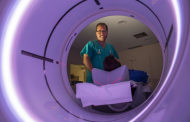 Diagnóstico por la imagenExploraciones diagnósticas e intervencionistas.
 Laboratorio de anatomía patológicaDispone de una segunda opinión de la mano de especialistas.
 Laboratorio de análisis clínicosServicio integral en el área clínica.
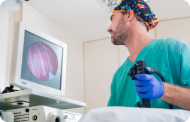 EndoscopiaDiagnóstico preciso sin utilizar la cirugía.
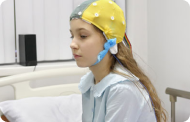 ElectrofisiologíaExploración funcional del Sistema Nervioso Central.
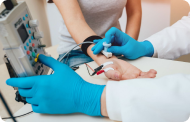 ElectromiografíaEvaluación clínica y neurofisiológica de la patología neuromuscular.
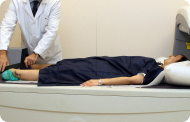 DensitometríaTécnica diagnóstica para comprobar la densidad mineral del hueso.
 UrodinamiaDiagnóstico de los trastornos de micción e incontinencia.
- Chequeos médicos

 GeneralUn control inteligente de tu salud
 CompletoUn examen exhaustivo de tu salud
 Completo PlusNuestro chequeo más exclusivo
 ViajerosSi vas a emprender un viaje, tu salud es parte del equipaje
 DeportivoUna revisión a fondo para potenciar tu rendimiento
 CardiológicoUna buena noticia es saber que tu corazón está bajo control
 Para empresasUna herramienta que potencia la satisfacción, productividad y fidelización del empleado
- Pruebas diagnósticas
- Nuestro Centro
- Entorno asistencial Teknon
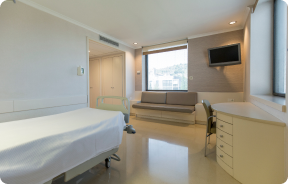 HospitalizaciónHabitaciones luminosas, funcionales y completamente equipadas.
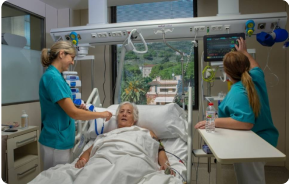 Unidad de SemicríticosDotada de tecnología para diagnósticos y tratamientos que requieren cuidado especial.
 Programa de Alimentación SaludableQueremos mejorar la salud de las personas, por ello promovemos una alimentación saludable, consciente y sostenible en nuestros hospitales.
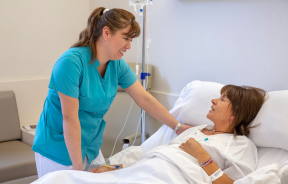 EnfermeríaEquipo de más de 400 profesionales.
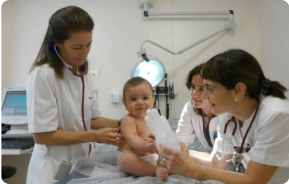 Servicio de Urgencias24 horas al día a tu servicio sin interrupciones.
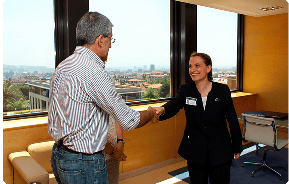 Área Paciente PrivadoBasado en la alta calidad y el servicio personalizado, ofrecemos un conjunto de servicios que complementan los cuidados médico-asistenciales
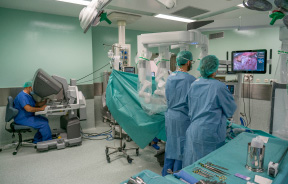 Área QuirúrgicaCuenta con 20 quirófanos, 12 de ellos preparados para cirugía de alto riesgo.
 Programa internacionalUn asistente de este programa le ofrecerá atención integral y personalizada
 Comité de Ética AsistencialAyuda a ciudadanos y profesionales a orientar su actuación en casos de conflictos morales.
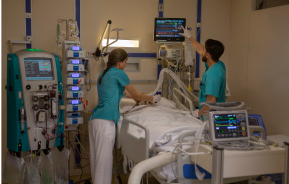 UCI-UCUnidad polivalente con boxes equipados con modernos sistemas de monitorización.
 Atención al pacienteA disposición de todos los pacientes y acompañantes del centro.
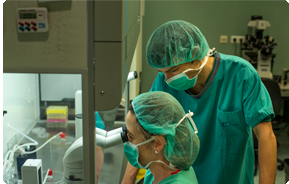 InvestigaciónLa investigación constituye uno de los pilares básicos de Centro Médico Teknon.
 Programa de Seguimiento PersonalizadoTe acompañamos durante tu proceso médico. Organizamos y agendamos tus citas y pruebas.
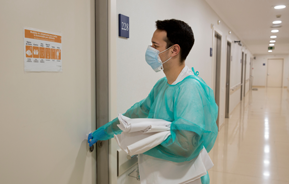 Calidad y Seguridad del PacienteAdoptamos modelos de gestión basados en los estándares más exigentes nacionales e internacionales.
- Entorno asistencial Teknon
- Actualidad
- Actualidad
 NoticiasConoce qué está pasando en Centro Médico Teknon. Consulta nuestra sección de noticias.
 AgendaPuedes encontrar todos los eventos que hemos organizado sobre salud y aquellos temas de actualidad que te pueden interesar. Accede a nuestra agenda de actividades.
 VídeosEn esta sección encontrarás una amplia colección de videos relacionados con nuestras especialidades.
 PodcastTemas médicos de actualidad, tratamientos innovadores, consejos de salud y experiencias de pacientes abordados por nuestros especialistas.
 Contenidos de salud
- Actualidad
- Blog


- Cuadro médico
- Especialidades
- Unidades especializadas
- Instituto del Corazón
- Unidad de Obesidad
- Instituto Oncológico
- Unidad de Medicina y Cirugía sin sangre
- Instituto de Neurociencias
- Unidad de Atención al Lesionado de Tráfico
- Instituto de Neumología
- Unidad de Medicina Marítima
- Instituto de Terapia Regenerativa Tisular
- Unidad de Tratamiento del Dolor
- Clínica del Tenis
- Unidad de Enfermedades Inflamatorias y Autoinmunes
- Unidad de Reproducción
Asistida
- Unidad del Sueño
- Unidad de Síndromes de Sensibilización Central
- Unidad del Virus del Papiloma Humano
- Unidades especializadas
- Área diagnóstica
- Pruebas diagnósticas
- Diagnóstico por la imagenExploraciones diagnósticas e intervencionistas.
- Laboratorio de anatomía patológicaDispone de una segunda opinión de la mano de especialistas.
- Laboratorio de análisis clínicosServicio integral en el área clínica.
- EndoscopiaDiagnóstico preciso sin utilizar la cirugía.
- ElectrofisiologíaExploración funcional del Sistema Nervioso Central.
- ElectromiografíaEvaluación clínica y neurofisiológica de la patología neuromuscular.
- DensitometríaTécnica diagnóstica para comprobar la densidad mineral del hueso.
- UrodinamiaDiagnóstico de los trastornos de micción e incontinencia.
- Chequeos médicos
- GeneralUn control inteligente de tu salud
- CompletoUn examen exhaustivo de tu salud
- Completo PlusNuestro chequeo más exclusivo
- ViajerosSi vas a emprender un viaje, tu salud es parte del equipaje
- DeportivoUna revisión a fondo para potenciar tu rendimiento
- CardiológicoUna buena noticia es saber que tu corazón está bajo control
- Para empresasUna herramienta que potencia la satisfacción, productividad y fidelización del empleado
- Pruebas diagnósticas
- Nuestro Centro
- Entorno asistencial Teknon
- HospitalizaciónHabitaciones luminosas, funcionales y completamente equipadas.
- Unidad de SemicríticosDotada de tecnología para diagnósticos y tratamientos que requieren cuidado especial.
- Programa de Alimentación SaludableQueremos mejorar la salud de las personas, por ello promovemos una alimentación saludable, consciente y sostenible en nuestros hospitales.
- EnfermeríaEquipo de más de 400 profesionales.
- Servicio de Urgencias24 horas al día a tu servicio sin interrupciones.
- Área Paciente PrivadoBasado en la alta calidad y el servicio personalizado, ofrecemos un conjunto de servicios que complementan los cuidados médico-asistenciales
- Área QuirúrgicaCuenta con 20 quirófanos, 12 de ellos preparados para cirugía de alto riesgo.
- Programa internacionalUn asistente de este programa le ofrecerá atención integral y personalizada
- Comité de Ética AsistencialAyuda a ciudadanos y profesionales a orientar su actuación en casos de conflictos morales.
- UCI-UCUnidad polivalente con boxes equipados con modernos sistemas de monitorización.
- Atención al pacienteA disposición de todos los pacientes y acompañantes del centro.
- InvestigaciónLa investigación constituye uno de los pilares básicos de Centro Médico Teknon.
- Programa de Seguimiento PersonalizadoTe acompañamos durante tu proceso médico. Organizamos y agendamos tus citas y pruebas.
- Calidad y Seguridad del PacienteAdoptamos modelos de gestión basados en los estándares más exigentes nacionales e internacionales.
- Entorno asistencial Teknon
- Actualidad
- Actualidad
- NoticiasConoce qué está pasando en Centro Médico Teknon. Consulta nuestra sección de noticias.
- AgendaPuedes encontrar todos los eventos que hemos organizado sobre salud y aquellos temas de actualidad que te pueden interesar. Accede a nuestra agenda de actividades.
- VídeosEn esta sección encontrarás una amplia colección de videos relacionados con nuestras especialidades.
- PodcastTemas médicos de actualidad, tratamientos innovadores, consejos de salud y experiencias de pacientes abordados por nuestros especialistas.
- Contenidos de salud
- Actualidad
- Blog


- Especialidades
 Riambau Alonso Vicente
- Servicios
- Principales patologías
- Flebopatias
- Telangiectasias
 Centro Médico Teknon

Son arañas circulatorias de color rojo azulado que se hacen visibles en las piernas, especialmente en las pantorrillas y que se producen por mala circulación o estancamiento circulatorio.
Las telangiectasis son dilataciones de los plexos venosos subpapilares. Son visibles a simple vista porque se localizan inmediatamente debajo de la epidermis, lo cual constituye un inconveniente estético y representan una de las patologías que se ve con mayor frecuencia en la consulta de los médicos.
Las telangiectasias se dividen según su apariencía clínica en 4 tipos: simple o linial, arborizada, en araña o estrella y en puntiforme o popular.
Existen dos patrones comunes de telangiectasis en las piernas de las mujeres, además de venas rojas o azules:
- El patrón linial paralelo, que suele aparecer en la parte interna del muslo, y
- El patrón arborizado o "en rueda dentada", observado más frecuentemente en la cara lateral del muslo.
Entre las causas mayores o enfernedades asociadas con telangiectasis que pueden aparecer en las extremidades inferiores están: los factores genéticos y las enfermedades adquiridas por componente cutáneo secundario.
Existen en la actualidad diferentes métodos de tratamiento, pero quizás sean la microesclerosis y la fotocoagulación con láser los dos más comunes.
Como sucede con las varices, la presencia de las telangiectasias no presenta una correlación con la edad.
- Prevención eficaz
Para evitar las varices no existe un método real y seguro. Pero, la forma de vida influye indiscutiblemente en su aparición y evolución. Practicar deporte, gimnasia, andar, los masajes que facilitan la circulación de retorno y evitan el estacionamiento de la sangre en las piernas. El mantener éstas en posición alta sobre la cintura del cuerpo, de manera que se invierte su recorrido circulatorio y la circulación de retorno va hacia abajo en lugar de hacia arriba como de costumbre, la vigilancia de los trastornos hormonales, la alimentación correcta, evitar ropas compresoras (fajas, etc.) y, en particular una atención cotidiana a la obesidad y al sedentarismo constituye las reglas esenciales de la prevención, en este caso.
También es aconsejable a los pacientes con problemas venosos de los miembros inferiores el que procuren dormir con las piernas en posición ligeramente elevada, efectuar baños diarios con agua fría unos minutos en cada pierna y utilizar medias elásticas compresivas como protección y sostén. Es bueno caminar descalzo y sobre las puntas de los pies unos minutos diariamente y acostado sobre la espalda levantar las piernas y pedalear hacia delante y hacia atrás unos minutos con las piernas levantadas. Acostado sobre la espalda levantar alternativamente las piernas y tocar con la mano la punta de cada pie. En posición de firmes, levantarse sobre las puntas de los pies.
- Tratamiento
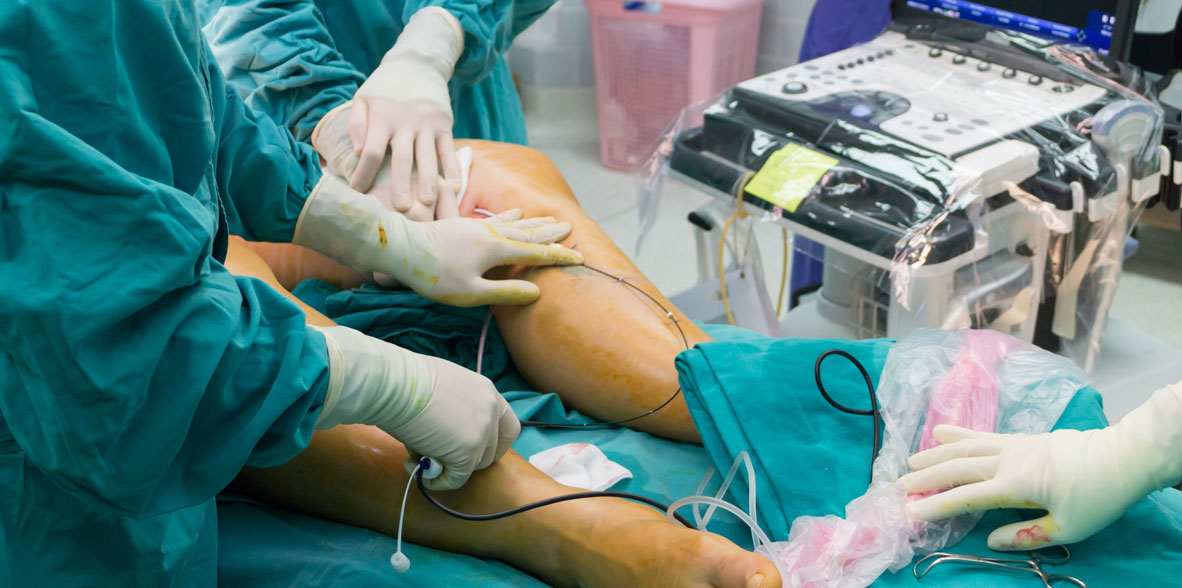
La telangiectasias se tratan fácilmente con crioterapia (por frío) y también con láser.
- La microesclerosis
El doctor Eusebi Sala Planell nos explica que "el método esclerosante ha sido siempre el mismo después de la aparición de la jeringa hipodérmica, lo que ha variado en el tiempo han sido los líquidos esclerosantes que han ido del yodo y el alcohol al bicloruro de mercurio pasando por distintos compuestos de sodio y soluciones glucosadas hipertónicas o soluciones jabonosas con ácidos grasos de distintos orígenes".
Los actuales agentes esclerosantes son eficaces y más inocuos como el hidroxipolietoxidodecano (etoxisclerol), descubierto por Henschelt en 1966.
Las condiciones de un esclerosante han de ser:
- Que sea un producto estable: para asegurar una acción uniforme
- De fácil uso: preferentemente de color claro para evidenciar la sangre aspirada y tener unas condiciones físico-químicas que permitan una técnica rápida y eficaz
- Que sea fluido: ya que si se espesa, obstruye las agujas
- Que sea indoloro: condición importante
- Que sea inocuo: su acción debe limitarse a provocar una inflamación química aséptica, localizada en las proximidades del punto inyectado, cuya consecuencia es la destrucción del endotelio venoso y la inducción de un trombo pequeño fírmemente adherido a la endovena sin interesar a las demás capas de la pared venosa. Es decir, que provoque una endoflebitis sin periflebitis.
- No coagulante: ya que si el esclerosante, apenas puesto en contacto con la sangre la coagula, tiende a obstruir el cono de la jeringa y obliga a realizar la inyección de forma rápida, aumentando el riesgo de provocar una extravasación
- Activo y eficaz: para permitir tratamientos de forma ambulatoria.
- Atóxico e hipoalergénico: administrado en las cantidades justas
- No provocar trombosis secundaria
- Tener una acción limitada y controlable.
- Esclerosantes actuales: CUADRO
- Yodo (Variglobin)
- Tetradecylsulfato de sodio (trombovar, sotradecol)
- Salicilato de sodio
- Hidroxipolietoxidodecano (Etoxisclerol)
- Glicerina crómica (Scleremo)
- Soluciones antisépticas diluidas