


- Quadre mèdic
- Especialitats
- Unitats especialitzades
 Institut del Cor Teknon
 Unitat d’Obesitat
 Institut Oncològic
 Unitat d’Medicina i cirurgia sense sang
 Institut de Neurociències
 Unitat d’atenció al lesionat de trànsit
 Unitat de Pneumologia
 Unitat de Medicina Marítima
 Institut de Teràpia Regenerativa Tissular
 Unitat de Tractament del Dolor
 Clínica del Tennis
 Unitat de malalties inflamatòries i autoimmunes sistèmiques
 Unitat de Reproducció Assistida
 Unitat del Son
 Unitat de Síndromes de Sensibilització Central
 Unitat del Virus del Papil·loma Humà
- Unitats especialitzades
- Àrea diagnòstica
- Proves diagnòstiques
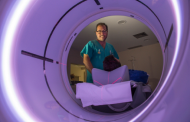 Diagnòstic per la ImatgeExploracions diagnòstiques i intervencionistes.
 Laboratori d’anatomia patològicaDisposa d’una segona opinió per part d’especialistes.
 Laboratori d’Anàlisis ClíniquesServei integral a l’àrea clínica.
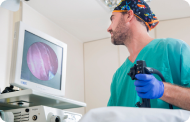 EndoscòpiaDiagnòstic precís sense utilitzar la cirurgia.
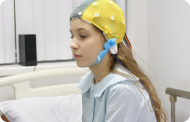 ElectrofisiologiaExploració funcional del Sistema Nerviós Central.
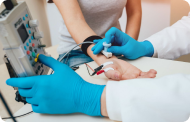 ElectromiografíaAvaluació clínica i neurofisiològica de la patologia neuromuscular.
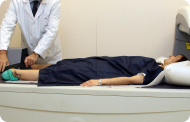 DensitometriaTècnica diagnòstica per comprovar la densitat mineral de l’os.
 UrodinàmiaDiagnòstic dels trastorns de micció i incontinència.
- Revisions mèdiques

 GeneralUn control intel·ligent de la teva salut.
 CompletUn examen exhaustiu de la teva salut.
 Complet PlusLa nostra revisió mèdica més exhaustiva.
 ViatgersSi vols fer un viatge, la teva salut forma part de l’equipatge.
 EsportiuUna revisió a fons per a potenciar el teu rendiment.
 CardiològicUna bona notícia és saber que el teu cor està sota control.
 Per a empresesUna eina que potencia la satisfacció, productivitat i fidelització del treballador.
- Proves diagnòstiques
- El nostre centre
- Entorn assistencial
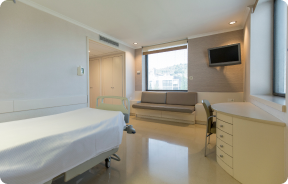 HospitalitzacióAmb habitacions lluminoses, funcionals i completament equipades.
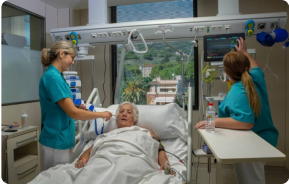 Unitat de SemicriticsDotada de tecnologia per al diagnòstic i tractament que requereixen una vigilància i cura especial.
 Programa d’Alimentació SaludableVolem millorar la salut de les persones, per això promovem una alimentació saludable, conscient i sostenible als nostres hospitals.
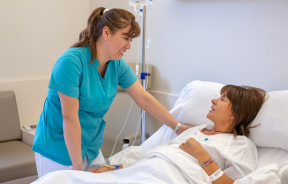 InfermeriaUn equip de més de 400 professionals.
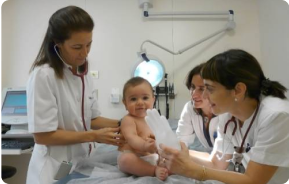 Servei d’Urgències24 hores al dia al teu servei sense interrupcions.
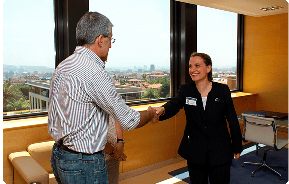 Àrea Pacient PrivatBasat en l’alta qualitat i el servei personalitzat, oferim un conjunt de serveis que complementen les cures mèdico-assistencials
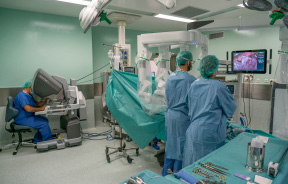 L’Àrea QuirúrgicaDisposa de 20 quiròfans, 12 d’ells preparats per a la cirurgia d’alt risc.
 International programUn assistent d’aquest programa us oferirà atenció integral i personalitzada
 Comitè d’Ètica AssistencialAjuda els ciutadans i als professionals de la salut a orienta la seva actuació en casos de conflictes morals.
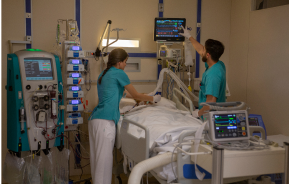 UCI-UCUnitat polivalent que disposa de boxes completament equipats amb el sistema més modern de monitorització.
 Atenció al PacientA disposició de tots els pacients i acompanyants del centre.
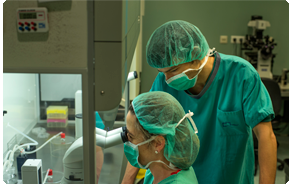 InvestigacióLa investigació constitueix un dels pilars bàsics de Centre Mèdic Teknon.
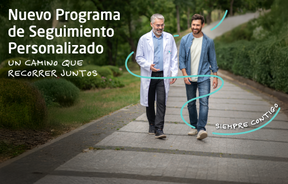 Programa de Seguiment PersonalitzatT’acompanyem durant el teu procés mèdic. Organitzem i agendem les teves cites i proves.
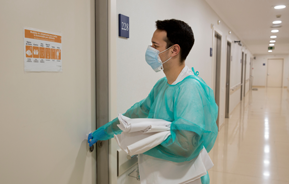 Qualitat i Seguretat del PacientAdoptem models de gestió basats en els estàndards més exigents nacionals i internacionals.
- Entorn assistencial
- Actualitat
- Actualitat
 NotíciesConeix el que està passant a Centro Médico Teknon. Consulta la nostra secció de notícies.
 AgendaPots trobar tots els esdeveniments que hem organitzat sobre salut i aquells temes d’actualitat que et poden interessar. Accedeix a la nostra agenda d’activitats.
 VídeosEn aquesta secció trobaràs una àmplia col·lecció de vídeos relacionats amb les nostres especialitats.
 PodcastTemes mèdics d’actualitat, tractaments innovadors, consells de salut y experiències de pacients abordabats pels nostres especialistes.
 Continguts de salut
- Actualitat
- Blog


- Quadre mèdic
- Especialitats
- Unitats especialitzades
- Institut del Cor Teknon
- Unitat d’Obesitat
- Institut Oncològic
- Unitat d’Medicina i cirurgia sense sang
- Institut de Neurociències
- Unitat d’atenció al lesionat de trànsit
- Unitat de Pneumologia
- Unitat de Medicina Marítima
- Institut de Teràpia Regenerativa Tissular
- Unitat de Tractament del Dolor
- Clínica del Tennis
- Unitat de malalties inflamatòries i autoimmunes sistèmiques
- Unitat de Reproducció Assistida
- Unitat del Son
- Unitat de Síndromes de Sensibilització Central
- Unitat del Virus del Papil·loma Humà
- Unitats especialitzades
- Àrea diagnòstica
- Proves diagnòstiques
- Diagnòstic per la ImatgeExploracions diagnòstiques i intervencionistes.
- Laboratori d’anatomia patològicaDisposa d’una segona opinió per part d’especialistes.
- Laboratori d’Anàlisis ClíniquesServei integral a l’àrea clínica.
- EndoscòpiaDiagnòstic precís sense utilitzar la cirurgia.
- ElectrofisiologiaExploració funcional del Sistema Nerviós Central.
- ElectromiografíaAvaluació clínica i neurofisiològica de la patologia neuromuscular.
- DensitometriaTècnica diagnòstica per comprovar la densitat mineral de l’os.
- UrodinàmiaDiagnòstic dels trastorns de micció i incontinència.
- Revisions mèdiques
- GeneralUn control intel·ligent de la teva salut.
- CompletUn examen exhaustiu de la teva salut.
- Complet PlusLa nostra revisió mèdica més exhaustiva.
- ViatgersSi vols fer un viatge, la teva salut forma part de l’equipatge.
- EsportiuUna revisió a fons per a potenciar el teu rendiment.
- CardiològicUna bona notícia és saber que el teu cor està sota control.
- Per a empresesUna eina que potencia la satisfacció, productivitat i fidelització del treballador.
- Proves diagnòstiques
- El nostre centre
- Entorn assistencial
- HospitalitzacióAmb habitacions lluminoses, funcionals i completament equipades.
- Unitat de SemicriticsDotada de tecnologia per al diagnòstic i tractament que requereixen una vigilància i cura especial.
- Programa d’Alimentació SaludableVolem millorar la salut de les persones, per això promovem una alimentació saludable, conscient i sostenible als nostres hospitals.
- InfermeriaUn equip de més de 400 professionals.
- Servei d’Urgències24 hores al dia al teu servei sense interrupcions.
- Àrea Pacient PrivatBasat en l’alta qualitat i el servei personalitzat, oferim un conjunt de serveis que complementen les cures mèdico-assistencials
- L’Àrea QuirúrgicaDisposa de 20 quiròfans, 12 d’ells preparats per a la cirurgia d’alt risc.
- International programUn assistent d’aquest programa us oferirà atenció integral i personalitzada
- Comitè d’Ètica AssistencialAjuda els ciutadans i als professionals de la salut a orienta la seva actuació en casos de conflictes morals.
- UCI-UCUnitat polivalent que disposa de boxes completament equipats amb el sistema més modern de monitorització.
- Atenció al PacientA disposició de tots els pacients i acompanyants del centre.
- InvestigacióLa investigació constitueix un dels pilars bàsics de Centre Mèdic Teknon.
- Programa de Seguiment PersonalitzatT’acompanyem durant el teu procés mèdic. Organitzem i agendem les teves cites i proves.
- Qualitat i Seguretat del PacientAdoptem models de gestió basats en els estàndards més exigents nacionals i internacionals.
- Entorn assistencial
- Actualitat
- Actualitat
- NotíciesConeix el que està passant a Centro Médico Teknon. Consulta la nostra secció de notícies.
- AgendaPots trobar tots els esdeveniments que hem organitzat sobre salut i aquells temes d’actualitat que et poden interessar. Accedeix a la nostra agenda d’activitats.
- VídeosEn aquesta secció trobaràs una àmplia col·lecció de vídeos relacionats amb les nostres especialitats.
- PodcastTemes mèdics d’actualitat, tractaments innovadors, consells de salut y experiències de pacients abordabats pels nostres especialistes.
- Continguts de salut
- Actualitat
- Blog


- Especialitats
 Unitat d'Immunologia i Al·lèrgia Teknon
- Els nostres serveis
- Alergias a medicamentos
 Centro Médico Teknon
- Centro Médico Teknon
- Centro Médico Teknon
- Centro Médico Teknon

¿Qué son las alergias a medicamentos?
En los países desarrollados, el consumo de medicamentos es extremadamente frecuente y el acceso a nuevos fármacos activos y seguros significa un gran avance en la lucha contra la mayoría de las enfermedades. No obstante, su consumo trae aparejado en algunos casos el desarrollo de reacciones adversas al medicamento, es decir, efectos no deseados que pueden deberse a diferentes causas. Entre estas, ocupan un lugar destacado las reacciones de hipersensibilidad denominadas "alergias medicamentosas" (AM).
La alergia a un determinado medicamento es debida siempre a un fenómeno inmunológico en el que el medicamento se comporta como un alérgeno. Al reaccionar con los anticuerpos o células sensibilizadas del individuo, ocasiona una manifestación clínica más o menos grave.
Las reacciones inmediatas mediadas por anticuerpos IgE son las que comportan mayor riesgo para la vida del paciente ya que no son excepcionales los casos de reacciones anafilácticas y el shock anafiláctico. Existen otras reacciones de aparición más tardía que también pueden ser severas: vasculitis, enfermedad del suero o fiebre, entre otras.
- ¿Qué medicamentos pueden causar alergia?
Los medicamentos responsables de la mayor parte de las reacciones son los antibióticos, principalmente los betalactámicos (penicilina, amoxicilina, cefalosporinas), macrólidos (eritromicina, claritromicina, azitromicina y otros) y las quinolonas (ciprofloxacino, ofloxacino y otras). Las sulfamidas hoy menos utilizadas han sido un grupo generador de alergias, no obstante hay que recordar que el cotrimoxazol (trimetroprima+sulfametoxazol), todavía tiene indicaciones terapéuticas importantes.
Otro grupo de fármacos responsables de alergias medicamentosas son los antiinflamatorios no esteroideos o AINES, que comprenden un elevado número de medicamentos con actividad analgésica y antiinflamatoria como el ácido acetilsalicílico (aspirina), el ibuprofeno, el diclofenaco (Voltarén), piroxicam (Feldene) y muchos otros.
Los anestésicos locales, miorrelajantes, neurolépticos (droperidol), quimioterápicos antineoplásicos, antirretrovirales,hormonas, vitaminas y los propios corticosteroides locales están implicados en algunas reacciones alérgicas. Prácticamente cualquier fármaco podría ocasionar una reacción alérgica.
- ¿Cómo se manifiesta la alergia a medicamentos?
Las reacciones alérgicas medicamentosas se caracterizan por aparecer en un tiempo que va de pocos minutos a algunas horas después de haber recibido el fármaco que ha sensibilizado al paciente. Siempre es necesario un primer contacto, que habitualmente no ocasiona ningún disturbio, pero que es imprescindible para el proceso de sensibilización.
La reacción más común es el desarrollo de urticarias localizadas o generalizadas, con hinchazón (edema) de labios, párpados u otras zonas, a veces muy aparatoso. Otras manifestaciones son erupciones de otras características, fijas en extremidades y genitales que se repiten al tomar el mismo medicamento, y cuadros mucho más graves como el eritema exudativo multiforme o la necrolisis epidérmica tóxica.
Los fármacos de aplicación local (neomicina, corticoides, antihistamínicos fenotiazínicos, etc.) pueden ocasionar erupciones eccematosas, fotosensibilidad y otras.
Los pacientes altamente sensibilizados, sobre todo si reciben el medicamento por vía inyectable, pueden desarrollar una afectación multisistémica inmediata (anafilaxia) e incluso presentar un estado de shock.
- ¿Cómo se diagnostica la alergia a medicamentos?
Una vez realizada la historia clínica específica y exhaustiva, fundamental en estos casos, se determinará si el paciente sufre otro tipo de alergias y se solicitará una analítica en búsqueda de marcadores específicos de alergia. En el caso de los betalactámicos y algún otro fármaco, se determinará la existencia de anticuerpos IgE específicos o de células específicamente sensibilizadas por medio de análisis especializados.
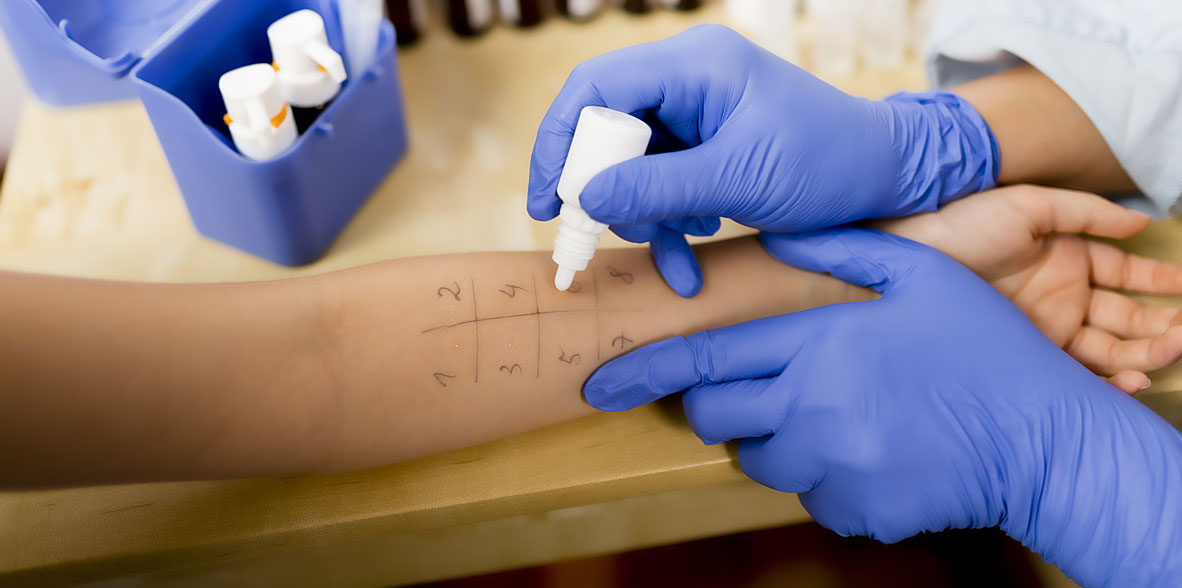
En la mayoría de los casos se han de practicar pruebas in vivo, para confirmar el diagnóstico. Estas pruebas pueden realizarse sobre la piel del enfermo o completarse por medio del test de provocación progresiva controlada. En este caso las pruebas deben realizarse bajo estricto control médico y en un ámbito hospitalario ya que implican un riesgo para la salud del paciente, que debe ser debidamente informado solicitándole su conformidad para la realización de la prueba.
- ¿Cuál es el tratamiento de la alergia a medicamentos?
Una vez establecido el diagnóstico, debe aconsejarse al paciente que no utilice los fármacos implicados en la reacción, buscar sustitutos por medio de pruebas de tolerancia e indicar normas de intervención adecuadas en caso de que de forma inadvertida se le administrara un fármaco relacionado.
En los casos de riesgo de reacciones graves, se deberá enseñar al paciente a administrarse adrenalina autoinyectable y a emplear las dosis adecuadas de antihistamínicos y corticosteroides mientras se acude a Urgencias.