


- Quadre mèdic
- Especialitats
- Unitats especialitzades
 Institut del Cor Teknon
 Unitat d’Obesitat
 Institut Oncològic
 Unitat d’Medicina i cirurgia sense sang
 Institut de Neurociències
 Unitat d’atenció al lesionat de trànsit
 Unitat de Pneumologia
 Unitat de Medicina Marítima
 Institut de Teràpia Regenerativa Tissular
 Unitat de Tractament del Dolor
 Clínica del Tennis
 Unitat de malalties inflamatòries i autoimmunes sistèmiques
 Unitat de Reproducció Assistida
 Unitat del Son
 Unitat de Síndromes de Sensibilització Central
 Unitat del Virus del Papil·loma Humà
- Unitats especialitzades
- Àrea diagnòstica
- Proves diagnòstiques
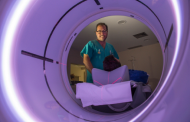 Diagnòstic per la ImatgeExploracions diagnòstiques i intervencionistes.
 Laboratori d’anatomia patològicaDisposa d’una segona opinió per part d’especialistes.
 Laboratori d’Anàlisis ClíniquesServei integral a l’àrea clínica.
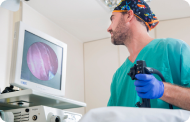 EndoscòpiaDiagnòstic precís sense utilitzar la cirurgia.
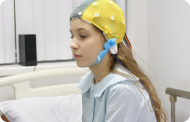 ElectrofisiologiaExploració funcional del Sistema Nerviós Central.
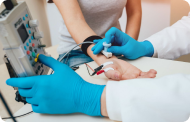 ElectromiografíaAvaluació clínica i neurofisiològica de la patologia neuromuscular.
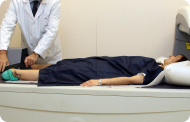 DensitometriaTècnica diagnòstica per comprovar la densitat mineral de l’os.
 UrodinàmiaDiagnòstic dels trastorns de micció i incontinència.
- Revisions mèdiques

 GeneralUn control intel·ligent de la teva salut.
 CompletUn examen exhaustiu de la teva salut.
 Complet PlusLa nostra revisió mèdica més exhaustiva.
 ViatgersSi vols fer un viatge, la teva salut forma part de l’equipatge.
 EsportiuUna revisió a fons per a potenciar el teu rendiment.
 CardiològicUna bona notícia és saber que el teu cor està sota control.
 Per a empresesUna eina que potencia la satisfacció, productivitat i fidelització del treballador.
- Proves diagnòstiques
- El nostre centre
- Entorn assistencial
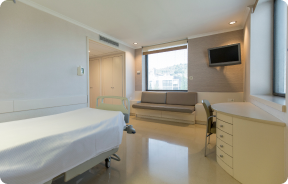 HospitalitzacióAmb habitacions lluminoses, funcionals i completament equipades.
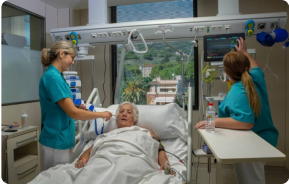 Unitat de SemicriticsDotada de tecnologia per al diagnòstic i tractament que requereixen una vigilància i cura especial.
 Programa d’Alimentació SaludableVolem millorar la salut de les persones, per això promovem una alimentació saludable, conscient i sostenible als nostres hospitals.
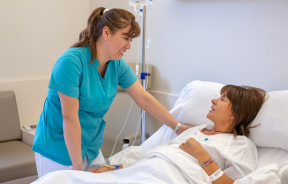 InfermeriaUn equip de més de 400 professionals.
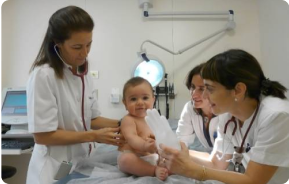 Servei d’Urgències24 hores al dia al teu servei sense interrupcions.
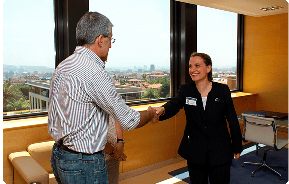 Àrea Pacient PrivatBasat en l’alta qualitat i el servei personalitzat, oferim un conjunt de serveis que complementen les cures mèdico-assistencials
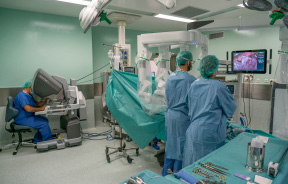 L’Àrea QuirúrgicaDisposa de 20 quiròfans, 12 d’ells preparats per a la cirurgia d’alt risc.
 International programUn assistent d’aquest programa us oferirà atenció integral i personalitzada
 Comitè d’Ètica AssistencialAjuda els ciutadans i als professionals de la salut a orienta la seva actuació en casos de conflictes morals.
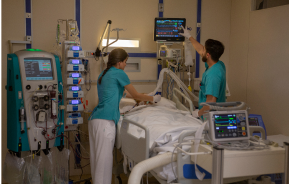 UCI-UCUnitat polivalent que disposa de boxes completament equipats amb el sistema més modern de monitorització.
 Atenció al PacientA disposició de tots els pacients i acompanyants del centre.
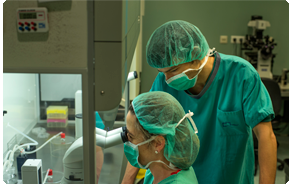 InvestigacióLa investigació constitueix un dels pilars bàsics de Centre Mèdic Teknon.
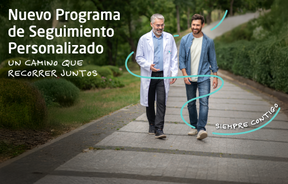 Programa de Seguiment PersonalitzatT’acompanyem durant el teu procés mèdic. Organitzem i agendem les teves cites i proves.
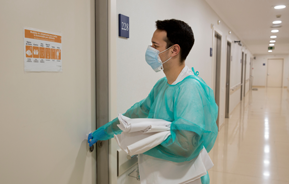 Qualitat i Seguretat del PacientAdoptem models de gestió basats en els estàndards més exigents nacionals i internacionals.
- Entorn assistencial
- Actualitat
- Actualitat
 NotíciesConeix el que està passant a Centro Médico Teknon. Consulta la nostra secció de notícies.
 AgendaPots trobar tots els esdeveniments que hem organitzat sobre salut i aquells temes d’actualitat que et poden interessar. Accedeix a la nostra agenda d’activitats.
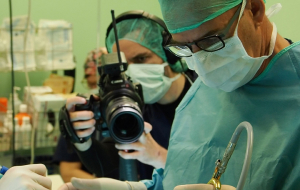 VídeosEn aquesta secció trobaràs una àmplia col·lecció de vídeos relacionats amb les nostres especialitats.
 PodcastTemes mèdics d’actualitat, tractaments innovadors, consells de salut y experiències de pacients abordabats pels nostres especialistes.
 Continguts de salut
- Actualitat
- Blog


- Quadre mèdic
- Especialitats
- Unitats especialitzades
- Institut del Cor Teknon
- Unitat d’Obesitat
- Institut Oncològic
- Unitat d’Medicina i cirurgia sense sang
- Institut de Neurociències
- Unitat d’atenció al lesionat de trànsit
- Unitat de Pneumologia
- Unitat de Medicina Marítima
- Institut de Teràpia Regenerativa Tissular
- Unitat de Tractament del Dolor
- Clínica del Tennis
- Unitat de malalties inflamatòries i autoimmunes sistèmiques
- Unitat de Reproducció Assistida
- Unitat del Son
- Unitat de Síndromes de Sensibilització Central
- Unitat del Virus del Papil·loma Humà
- Unitats especialitzades
- Àrea diagnòstica
- Proves diagnòstiques
- Diagnòstic per la ImatgeExploracions diagnòstiques i intervencionistes.
- Laboratori d’anatomia patològicaDisposa d’una segona opinió per part d’especialistes.
- Laboratori d’Anàlisis ClíniquesServei integral a l’àrea clínica.
- EndoscòpiaDiagnòstic precís sense utilitzar la cirurgia.
- ElectrofisiologiaExploració funcional del Sistema Nerviós Central.
- ElectromiografíaAvaluació clínica i neurofisiològica de la patologia neuromuscular.
- DensitometriaTècnica diagnòstica per comprovar la densitat mineral de l’os.
- UrodinàmiaDiagnòstic dels trastorns de micció i incontinència.
- Revisions mèdiques
- GeneralUn control intel·ligent de la teva salut.
- CompletUn examen exhaustiu de la teva salut.
- Complet PlusLa nostra revisió mèdica més exhaustiva.
- ViatgersSi vols fer un viatge, la teva salut forma part de l’equipatge.
- EsportiuUna revisió a fons per a potenciar el teu rendiment.
- CardiològicUna bona notícia és saber que el teu cor està sota control.
- Per a empresesUna eina que potencia la satisfacció, productivitat i fidelització del treballador.
- Proves diagnòstiques
- El nostre centre
- Entorn assistencial
- HospitalitzacióAmb habitacions lluminoses, funcionals i completament equipades.
- Unitat de SemicriticsDotada de tecnologia per al diagnòstic i tractament que requereixen una vigilància i cura especial.
- Programa d’Alimentació SaludableVolem millorar la salut de les persones, per això promovem una alimentació saludable, conscient i sostenible als nostres hospitals.
- InfermeriaUn equip de més de 400 professionals.
- Servei d’Urgències24 hores al dia al teu servei sense interrupcions.
- Àrea Pacient PrivatBasat en l’alta qualitat i el servei personalitzat, oferim un conjunt de serveis que complementen les cures mèdico-assistencials
- L’Àrea QuirúrgicaDisposa de 20 quiròfans, 12 d’ells preparats per a la cirurgia d’alt risc.
- International programUn assistent d’aquest programa us oferirà atenció integral i personalitzada
- Comitè d’Ètica AssistencialAjuda els ciutadans i als professionals de la salut a orienta la seva actuació en casos de conflictes morals.
- UCI-UCUnitat polivalent que disposa de boxes completament equipats amb el sistema més modern de monitorització.
- Atenció al PacientA disposició de tots els pacients i acompanyants del centre.
- InvestigacióLa investigació constitueix un dels pilars bàsics de Centre Mèdic Teknon.
- Programa de Seguiment PersonalitzatT’acompanyem durant el teu procés mèdic. Organitzem i agendem les teves cites i proves.
- Qualitat i Seguretat del PacientAdoptem models de gestió basats en els estàndards més exigents nacionals i internacionals.
- Entorn assistencial
- Actualitat
- Actualitat
- NotíciesConeix el que està passant a Centro Médico Teknon. Consulta la nostra secció de notícies.
- AgendaPots trobar tots els esdeveniments que hem organitzat sobre salut i aquells temes d’actualitat que et poden interessar. Accedeix a la nostra agenda d’activitats.
- VídeosEn aquesta secció trobaràs una àmplia col·lecció de vídeos relacionats amb les nostres especialitats.
- PodcastTemes mèdics d’actualitat, tractaments innovadors, consells de salut y experiències de pacients abordabats pels nostres especialistes.
- Continguts de salut
- Actualitat
- Blog


- Especialitats
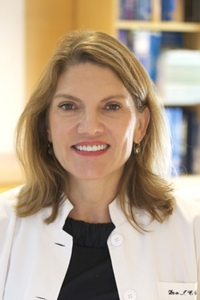
 Onbargi Leila Catherine
- Servicios
- Menopausa

 Centro Médico Teknon

- Experta en totes les necessitats de la pacient durant la menopausa
- Fallada ovàrica prematura
- Menopausa precoç
- Transició a la menopausa
- Postmenopausa
La menopausa és un procés natural en la vida de tota dona, que generalment té lloc al voltant dels 51 anys. Es defineix quan una dona ha deixat de menstruar durant 12 mesos consecutius. Durant aquesta etapa, el cos pot experimentar canvis significatius degut a la disminució en la producció d’hormones com l’estrògen, la progesterona i la testosterona.
Aquests canvis, tant físics com emocionals, poden resultar molestos per a moltes dones, tot i que no totes els viuen de la mateixa manera. Entre els símptomes físics més freqüents hi trobem els fogots, el síndrome genitourinari de la menopausa, que inclou sequedat vaginal, dolor durant les relacions sexuals, infeccions vaginals i cistitis, pell seca i envellida, sequedat ocular, caiguda del cabell, dolor articular, augment de pes —especialment a la zona abdominal— i sensació d’inflor o flatulència.
A nivell emocional i cognitiu, és habitual experimentar ansietat, depressió, insomni, manca d’energia, dificultats per mantenir la concentració, oblits i una disminució de la libido.
A més, el dèficit d’estrògens pot afavorir l’aparició de patologies més greus, com ara la pèrdua de massa òssia, que contribueix a l’osteopènia i l’osteoporosi, la calcificació i acumulació de plaques a les artèries, i un possible deteriorament cognitiu, especialment si la menopausa es produeix de forma precoç.
Com a especialista certificada per la NAMS (North American Menopause Society), la IMS (International Menopause Society) i l’AEEM (Associació Espanyola per a l’Estudi de la Menopausa), oferim a les nostres pacients un enfocament de tractament completament integrador en aquesta etapa de la seva vida. Atenem totes les seves possibles inquietuds, sempre basant-nos en tractaments avalats per la ciència i enfocats a la seguretat.
Sempre comencem amb un enfocament basat en tractaments naturals, acompanyats de canvis en l’estil de vida, activitat física regular i una alimentació equilibrada.
En alguns casos, pot ser necessari recórrer a una teràpia hormonal temporal per alleujar els símptomes més intensos. En lloc d’antidepressius, ansiolítics o pastilles per dormir, moltes dones poden beneficiar-se d’un tractament suau amb estradiol, que permet abordar eficaçment els símptomes derivats del dèficit hormonal.
Durant la menopausa també avaluem i tractem altres aspectes clau de la salut de la dona, com el control del pes, la sexualitat, la incontinència urinària, els canvis en l’estat d’ànim, la salut cardiovascular i la prevenció del deteriorament cognitiu, tots ells influenciats per la disminució dels nivells d’estrògen.
Tractaments oferts
- Remedis naturals a base de plantes
- Suplements específics per al suport nutricional en la menopausa
- Teràpia hormonal bioidèntica (TH)
- Pràctiques d’atenció plena (mindfulness) i teràpia cognitivoconductual (TCC)
- Plans de nutrició i exercici, incloent-hi treball de força muscular
- Gestió del pes i l’obesitat
- Estratègies d’una dieta antiinflamatòria
- Fàrmacs (GLP-1) reductors de pes quan estan indicats
- Suport per a l’estat d’ànim i la depressió
- Tractament de la fatiga i la pèrdua d’energia
- Tractament de l’insomni i els trastorns del son
- Tractament del síndrome genitourinari de la menopausa (SGM)
- Suport a la salut sexual, inclòs el tractament per la baixa libido
- Rejoveniment vaginal i tractament de la laxitud i la incontinència urinària