


- Cuadro médico
- Especialidades
- Unidades especializadas
 Instituto del Corazón
 Unidad de Obesidad
 Instituto Oncológico
 Unidad de Medicina y Cirugía sin sangre
 Instituto de Neurociencias
 Unidad de Atención al Lesionado de Tráfico
 Instituto de Neumología
 Unidad de Medicina Marítima
 Instituto de Terapia Regenerativa Tisular
 Unidad de Tratamiento del Dolor
 Clínica del Tenis
 Unidad de Enfermedades Inflamatorias y Autoinmunes
 Unidad de Reproducción
Asistida
Unidad de Reproducción
Asistida Unidad del Sueño
 Unidad de Síndromes de Sensibilización Central
 Unidad del Virus del Papiloma Humano
- Unidades especializadas
- Área diagnóstica
- Pruebas diagnósticas
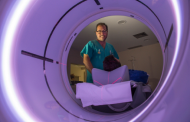 Diagnóstico por la imagenExploraciones diagnósticas e intervencionistas.
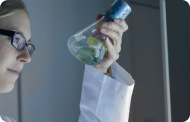 Laboratorio de anatomía patológicaDispone de una segunda opinión de la mano de especialistas.
 Laboratorio de análisis clínicosServicio integral en el área clínica.
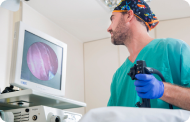 EndoscopiaDiagnóstico preciso sin utilizar la cirugía.
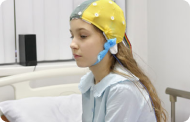 ElectrofisiologíaExploración funcional del Sistema Nervioso Central.
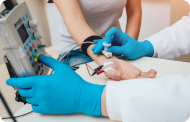 ElectromiografíaEvaluación clínica y neurofisiológica de la patología neuromuscular.
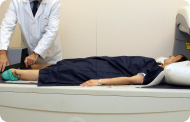 DensitometríaTécnica diagnóstica para comprobar la densidad mineral del hueso.
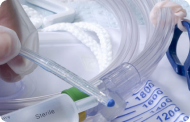 UrodinamiaDiagnóstico de los trastornos de micción e incontinencia.
- Chequeos médicos

 GeneralUn control inteligente de tu salud
 CompletoUn examen exhaustivo de tu salud
 Completo PlusNuestro chequeo más exclusivo
 ViajerosSi vas a emprender un viaje, tu salud es parte del equipaje
 DeportivoUna revisión a fondo para potenciar tu rendimiento
 CardiológicoUna buena noticia es saber que tu corazón está bajo control
 Para empresasUna herramienta que potencia la satisfacción, productividad y fidelización del empleado
- Pruebas diagnósticas
- Nuestro Centro
- Entorno asistencial Teknon
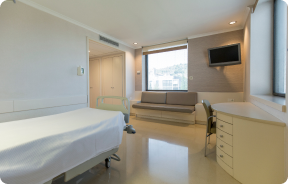 HospitalizaciónHabitaciones luminosas, funcionales y completamente equipadas.
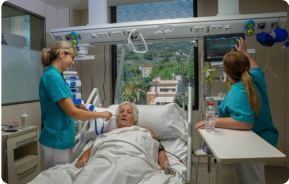 Unidad de SemicríticosDotada de tecnología para diagnósticos y tratamientos que requieren cuidado especial.
 Programa de Alimentación SaludableQueremos mejorar la salud de las personas, por ello promovemos una alimentación saludable, consciente y sostenible en nuestros hospitales.
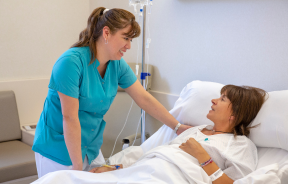 EnfermeríaEquipo de más de 400 profesionales.
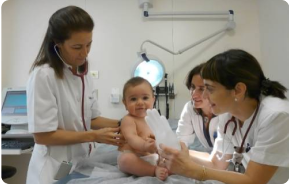 Servicio de Urgencias24 horas al día a tu servicio sin interrupciones.
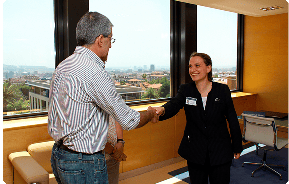 Área Paciente PrivadoBasado en la alta calidad y el servicio personalizado, ofrecemos un conjunto de servicios que complementan los cuidados médico-asistenciales
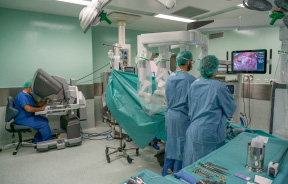 Área QuirúrgicaCuenta con 20 quirófanos, 12 de ellos preparados para cirugía de alto riesgo.
 Programa internacionalUn asistente de este programa le ofrecerá atención integral y personalizada
 Comité de Ética AsistencialAyuda a ciudadanos y profesionales a orientar su actuación en casos de conflictos morales.
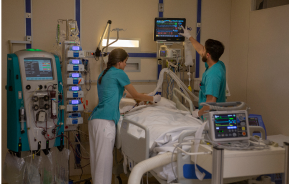 UCI-UCUnidad polivalente con boxes equipados con modernos sistemas de monitorización.
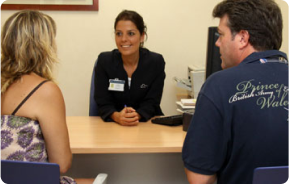 Atención al pacienteA disposición de todos los pacientes y acompañantes del centro.
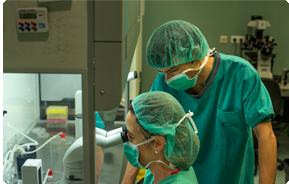 InvestigaciónLa investigación constituye uno de los pilares básicos de Centro Médico Teknon.
 Programa de Seguimiento PersonalizadoTe acompañamos durante tu proceso médico. Organizamos y agendamos tus citas y pruebas.
 Calidad y Seguridad del PacienteAdoptamos modelos de gestión basados en los estándares más exigentes nacionales e internacionales.
- Entorno asistencial Teknon
- Actualidad
- Actualidad
 NoticiasConoce qué está pasando en Centro Médico Teknon. Consulta nuestra sección de noticias.
 AgendaPuedes encontrar todos los eventos que hemos organizado sobre salud y aquellos temas de actualidad que te pueden interesar. Accede a nuestra agenda de actividades.
 VídeosEn esta sección encontrarás una amplia colección de videos relacionados con nuestras especialidades.
 PodcastTemas médicos de actualidad, tratamientos innovadores, consejos de salud y experiencias de pacientes abordados por nuestros especialistas.
 Contenidos de salud
- Actualidad
- Blog


- Cuadro médico
- Especialidades
- Unidades especializadas
- Instituto del Corazón
- Unidad de Obesidad
- Instituto Oncológico
- Unidad de Medicina y Cirugía sin sangre
- Instituto de Neurociencias
- Unidad de Atención al Lesionado de Tráfico
- Instituto de Neumología
- Unidad de Medicina Marítima
- Instituto de Terapia Regenerativa Tisular
- Unidad de Tratamiento del Dolor
- Clínica del Tenis
- Unidad de Enfermedades Inflamatorias y Autoinmunes
- Unidad de Reproducción
Asistida
- Unidad del Sueño
- Unidad de Síndromes de Sensibilización Central
- Unidad del Virus del Papiloma Humano
- Unidades especializadas
- Área diagnóstica
- Pruebas diagnósticas
- Diagnóstico por la imagenExploraciones diagnósticas e intervencionistas.
- Laboratorio de anatomía patológicaDispone de una segunda opinión de la mano de especialistas.
- Laboratorio de análisis clínicosServicio integral en el área clínica.
- EndoscopiaDiagnóstico preciso sin utilizar la cirugía.
- ElectrofisiologíaExploración funcional del Sistema Nervioso Central.
- ElectromiografíaEvaluación clínica y neurofisiológica de la patología neuromuscular.
- DensitometríaTécnica diagnóstica para comprobar la densidad mineral del hueso.
- UrodinamiaDiagnóstico de los trastornos de micción e incontinencia.
- Chequeos médicos
- GeneralUn control inteligente de tu salud
- CompletoUn examen exhaustivo de tu salud
- Completo PlusNuestro chequeo más exclusivo
- ViajerosSi vas a emprender un viaje, tu salud es parte del equipaje
- DeportivoUna revisión a fondo para potenciar tu rendimiento
- CardiológicoUna buena noticia es saber que tu corazón está bajo control
- Para empresasUna herramienta que potencia la satisfacción, productividad y fidelización del empleado
- Pruebas diagnósticas
- Nuestro Centro
- Entorno asistencial Teknon
- HospitalizaciónHabitaciones luminosas, funcionales y completamente equipadas.
- Unidad de SemicríticosDotada de tecnología para diagnósticos y tratamientos que requieren cuidado especial.
- Programa de Alimentación SaludableQueremos mejorar la salud de las personas, por ello promovemos una alimentación saludable, consciente y sostenible en nuestros hospitales.
- EnfermeríaEquipo de más de 400 profesionales.
- Servicio de Urgencias24 horas al día a tu servicio sin interrupciones.
- Área Paciente PrivadoBasado en la alta calidad y el servicio personalizado, ofrecemos un conjunto de servicios que complementan los cuidados médico-asistenciales
- Área QuirúrgicaCuenta con 20 quirófanos, 12 de ellos preparados para cirugía de alto riesgo.
- Programa internacionalUn asistente de este programa le ofrecerá atención integral y personalizada
- Comité de Ética AsistencialAyuda a ciudadanos y profesionales a orientar su actuación en casos de conflictos morales.
- UCI-UCUnidad polivalente con boxes equipados con modernos sistemas de monitorización.
- Atención al pacienteA disposición de todos los pacientes y acompañantes del centro.
- InvestigaciónLa investigación constituye uno de los pilares básicos de Centro Médico Teknon.
- Programa de Seguimiento PersonalizadoTe acompañamos durante tu proceso médico. Organizamos y agendamos tus citas y pruebas.
- Calidad y Seguridad del PacienteAdoptamos modelos de gestión basados en los estándares más exigentes nacionales e internacionales.
- Entorno asistencial Teknon
- Actualidad
- Actualidad
- NoticiasConoce qué está pasando en Centro Médico Teknon. Consulta nuestra sección de noticias.
- AgendaPuedes encontrar todos los eventos que hemos organizado sobre salud y aquellos temas de actualidad que te pueden interesar. Accede a nuestra agenda de actividades.
- VídeosEn esta sección encontrarás una amplia colección de videos relacionados con nuestras especialidades.
- PodcastTemas médicos de actualidad, tratamientos innovadores, consejos de salud y experiencias de pacientes abordados por nuestros especialistas.
- Contenidos de salud
- Actualidad
- Blog


- Especialidades
 INOF - Dra. Dora Fernández Agrafojo
- Servicios
- Cirugía refractiva
 Centro Médico Teknon
 Centro Médico Teknon

Miopía
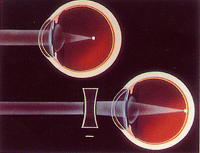 Es una condición ocular normalmente hereditaria, que provoca que los objetos se vean claros de cerca y borrosos de lejos. Su causa más frecuente es que el ojo es más largo de lo normal o la córnea está demasiado curvada, con lo cual los rayos de luz convergen antes de llegar a la retina, dando lugar a una imagen borrosa.
En la miopía, los rayos de luz convergen por delante de la retina, no sobre ella.
Hipermetropía
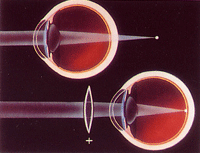 En este defecto los rayos de luz convergen detrás de la retina debido a que el ojo es más corto de lo habitual o la córnea demasiado plana, al contrario que en la miopía, dando lugar a una imagen borrosa principalmente de cerca.
En la hipermetropía, los rayos convergen por detrás de la retina.
Astigmatismo
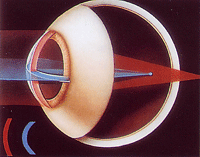 Cuando alguien tiene astigmatismo significa que la córnea está más curvada en un eje que en otro.
Para entenderlo diríamos que la córnea tiene más la forma de una pelota de rugby que de una de fútbol.
Produce visión borrosa a cualquier distancia, causando una distorsión de la imagen parecida a la de los espejos donde te ves más alto, más ancho o más delgado. Puede presentarse solo o asociado a miopía o hipermetropía.
En el astigmatismo, las irregularidades en la curvatura hacen que las imágenes se perciban deformadas.
- What is refractive surgery?
Refractive surgery is surgery which has been developed to treat refractory defects like myopia, hyperopia and astigmatism and improve sight without the aid of glasses or contact lenses.
- What is Lasik vision correction?
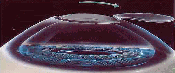
LASIK vision correction is the most renowned form of refractive surgery, performed by lifting a flat of corneal tissue 1/3 the thickness of the cornea with a microkeratome. A laser is then applied to the stroma thus re-shaping the cornea.
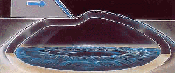
The opening of the cornea, lifting the outer flap of tissue with a microscopic blade.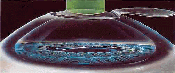
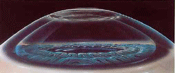
Employment of the laser to re-shape the cornea alongside the final result. - What does Zyoptix involve?
The Zyoptix approach is a personalised form of excimer laser treatment in which the laser software adjusts itself to match the information provided by two pieces of apparatus: the first is the aberrometer, designed to identify aberrations in the optical system, phenomena which tarnish the quality of vision for some people; and the second is an elevation topographer, which collects information regarding the front and rear faces of the cornea, indicating any features which may render laser treatment for a refractory problem inappropriate.
- What is the main advantage of Zyoptix?
Personalised treatment allows us to provide the most suitable medical assistance for each patient, lowering risks and enhancing quality.
- Is Zyoptix a substitute for Lasik technique?
No, Zyoptix is a complementary treatment for those patients, who on the grounds of an overly thin cornea or extreme short-sightedness, were not eligible for the Lasik option. Thanks to the Zyoptix method, the excimer laser can be employed on a broader spectrum of people. But it will, in any case, always be the ophthalmologist who decides whether Zyoptix treatment is appropriate or not.
- What is the technique Tissue Saving?
- Tissue Saving is a customized technique that applies laser to the stroma, just like the Excimer Laser and Zyoptix, to re-shape the tissue and reduce the number of diopters.
- With Tissue Saving it is possible to operate on less thickness of the cornea in order to get the same correction of diopters than with Lasik, and the problem is solved quicker.
- What is the main advantage of Tissue Saving?
Given that this kind of laser acts quicker and it's applied in less tissue, we are able to respect more the corneal integrity. Therefore, surgery is allowed to a wider range of patients.
- Is Tissue Saving a substitute for the Lasik technique?
No, Tissue Saving is complementary treatment for those patients, who on the grounds of an overly thin cornea or extreme short-sightedness were not eligible for the Lasik option. Thanks to this method, the excimer laser can be employed on a broader spectrum of people. But it will, in any case, always be the ophthalmologist who decides whether Tissue Saving treatment is appropriate or not.
- How many diopters can be treated with the laser?
- Myopia: Up to 10 diopters (Up to 15 with Zyoptix).
- Hyperopia: Up to 5 diopters.
- Astigmatism: Up to 6 diopters.
- Is the operation painful?
No, treatment is not painful. It is conducted with the patient placed under a topical anaesthetic (via administration of anaesthetic eye drops). The only thing felt is a burning sensation in the hours following the operation.