


- Cuadro médico
- Especialidades
- Unidades especializadas
 Instituto del Corazón
 Unidad de Obesidad
 Instituto Oncológico
 Unidad de Medicina y Cirugía sin sangre
 Instituto de Neurociencias
 Unidad de Atención al Lesionado de Tráfico
 Instituto de Neumología
 Unidad de Medicina Marítima
 Instituto de Terapia Regenerativa Tisular
 Unidad de Tratamiento del Dolor
 Clínica del Tenis
 Unidad de Enfermedades Inflamatorias y Autoinmunes
 Unidad de Reproducción
Asistida
Unidad de Reproducción
Asistida Unidad del Sueño
 Unidad de Síndromes de Sensibilización Central
 Unidad del Virus del Papiloma Humano
- Unidades especializadas
- Área diagnóstica
- Pruebas diagnósticas
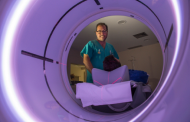 Diagnóstico por la imagenExploraciones diagnósticas e intervencionistas.
 Laboratorio de anatomía patológicaDispone de una segunda opinión de la mano de especialistas.
 Laboratorio de análisis clínicosServicio integral en el área clínica.
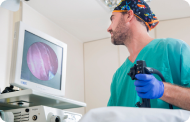 EndoscopiaDiagnóstico preciso sin utilizar la cirugía.
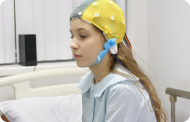 ElectrofisiologíaExploración funcional del Sistema Nervioso Central.
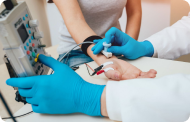 ElectromiografíaEvaluación clínica y neurofisiológica de la patología neuromuscular.
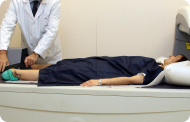 DensitometríaTécnica diagnóstica para comprobar la densidad mineral del hueso.
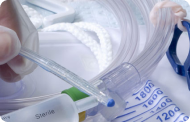 UrodinamiaDiagnóstico de los trastornos de micción e incontinencia.
- Chequeos médicos

 GeneralUn control inteligente de tu salud
 CompletoUn examen exhaustivo de tu salud
 Completo PlusNuestro chequeo más exclusivo
 ViajerosSi vas a emprender un viaje, tu salud es parte del equipaje
 DeportivoUna revisión a fondo para potenciar tu rendimiento
 CardiológicoUna buena noticia es saber que tu corazón está bajo control
 Para empresasUna herramienta que potencia la satisfacción, productividad y fidelización del empleado
- Pruebas diagnósticas
- Nuestro Centro
- Entorno asistencial Teknon
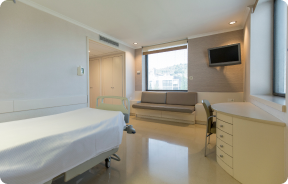 HospitalizaciónHabitaciones luminosas, funcionales y completamente equipadas.
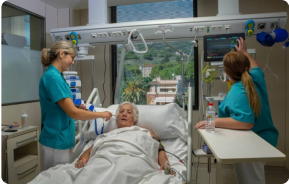 Unidad de SemicríticosDotada de tecnología para diagnósticos y tratamientos que requieren cuidado especial.
 Programa de Alimentación SaludableQueremos mejorar la salud de las personas, por ello promovemos una alimentación saludable, consciente y sostenible en nuestros hospitales.
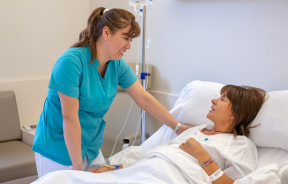 EnfermeríaEquipo de más de 400 profesionales.
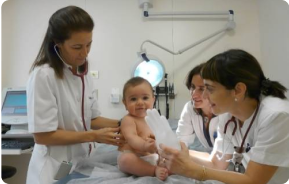 Servicio de Urgencias24 horas al día a tu servicio sin interrupciones.
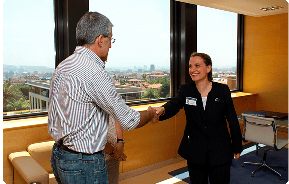 Área Paciente PrivadoBasado en la alta calidad y el servicio personalizado, ofrecemos un conjunto de servicios que complementan los cuidados médico-asistenciales
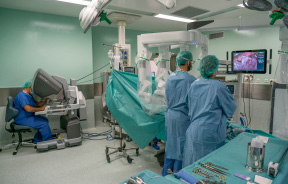 Área QuirúrgicaCuenta con 20 quirófanos, 12 de ellos preparados para cirugía de alto riesgo.
 Programa internacionalUn asistente de este programa le ofrecerá atención integral y personalizada
 Comité de Ética AsistencialAyuda a ciudadanos y profesionales a orientar su actuación en casos de conflictos morales.
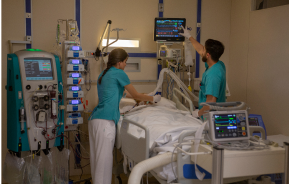 UCI-UCUnidad polivalente con boxes equipados con modernos sistemas de monitorización.
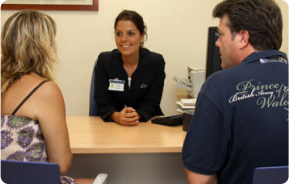 Atención al pacienteA disposición de todos los pacientes y acompañantes del centro.
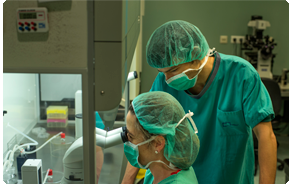 InvestigaciónLa investigación constituye uno de los pilares básicos de Centro Médico Teknon.
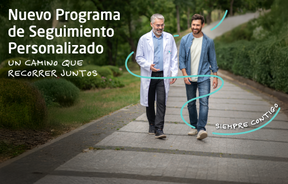 Programa de Seguimiento PersonalizadoTe acompañamos durante tu proceso médico. Organizamos y agendamos tus citas y pruebas.
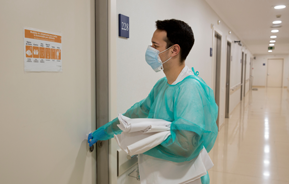 Calidad y Seguridad del PacienteAdoptamos modelos de gestión basados en los estándares más exigentes nacionales e internacionales.
- Entorno asistencial Teknon
- Actualidad
- Actualidad
 NoticiasConoce qué está pasando en Centro Médico Teknon. Consulta nuestra sección de noticias.
 AgendaPuedes encontrar todos los eventos que hemos organizado sobre salud y aquellos temas de actualidad que te pueden interesar. Accede a nuestra agenda de actividades.
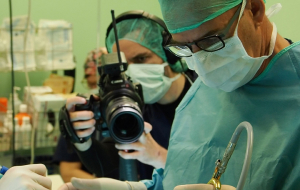 VídeosEn esta sección encontrarás una amplia colección de videos relacionados con nuestras especialidades.
 PodcastTemas médicos de actualidad, tratamientos innovadores, consejos de salud y experiencias de pacientes abordados por nuestros especialistas.
 Contenidos de salud
- Actualidad
- Blog


- Cuadro médico
- Especialidades
- Unidades especializadas
- Instituto del Corazón
- Unidad de Obesidad
- Instituto Oncológico
- Unidad de Medicina y Cirugía sin sangre
- Instituto de Neurociencias
- Unidad de Atención al Lesionado de Tráfico
- Instituto de Neumología
- Unidad de Medicina Marítima
- Instituto de Terapia Regenerativa Tisular
- Unidad de Tratamiento del Dolor
- Clínica del Tenis
- Unidad de Enfermedades Inflamatorias y Autoinmunes
- Unidad de Reproducción
Asistida
- Unidad del Sueño
- Unidad de Síndromes de Sensibilización Central
- Unidad del Virus del Papiloma Humano
- Unidades especializadas
- Área diagnóstica
- Pruebas diagnósticas
- Diagnóstico por la imagenExploraciones diagnósticas e intervencionistas.
- Laboratorio de anatomía patológicaDispone de una segunda opinión de la mano de especialistas.
- Laboratorio de análisis clínicosServicio integral en el área clínica.
- EndoscopiaDiagnóstico preciso sin utilizar la cirugía.
- ElectrofisiologíaExploración funcional del Sistema Nervioso Central.
- ElectromiografíaEvaluación clínica y neurofisiológica de la patología neuromuscular.
- DensitometríaTécnica diagnóstica para comprobar la densidad mineral del hueso.
- UrodinamiaDiagnóstico de los trastornos de micción e incontinencia.
- Chequeos médicos
- GeneralUn control inteligente de tu salud
- CompletoUn examen exhaustivo de tu salud
- Completo PlusNuestro chequeo más exclusivo
- ViajerosSi vas a emprender un viaje, tu salud es parte del equipaje
- DeportivoUna revisión a fondo para potenciar tu rendimiento
- CardiológicoUna buena noticia es saber que tu corazón está bajo control
- Para empresasUna herramienta que potencia la satisfacción, productividad y fidelización del empleado
- Pruebas diagnósticas
- Nuestro Centro
- Entorno asistencial Teknon
- HospitalizaciónHabitaciones luminosas, funcionales y completamente equipadas.
- Unidad de SemicríticosDotada de tecnología para diagnósticos y tratamientos que requieren cuidado especial.
- Programa de Alimentación SaludableQueremos mejorar la salud de las personas, por ello promovemos una alimentación saludable, consciente y sostenible en nuestros hospitales.
- EnfermeríaEquipo de más de 400 profesionales.
- Servicio de Urgencias24 horas al día a tu servicio sin interrupciones.
- Área Paciente PrivadoBasado en la alta calidad y el servicio personalizado, ofrecemos un conjunto de servicios que complementan los cuidados médico-asistenciales
- Área QuirúrgicaCuenta con 20 quirófanos, 12 de ellos preparados para cirugía de alto riesgo.
- Programa internacionalUn asistente de este programa le ofrecerá atención integral y personalizada
- Comité de Ética AsistencialAyuda a ciudadanos y profesionales a orientar su actuación en casos de conflictos morales.
- UCI-UCUnidad polivalente con boxes equipados con modernos sistemas de monitorización.
- Atención al pacienteA disposición de todos los pacientes y acompañantes del centro.
- InvestigaciónLa investigación constituye uno de los pilares básicos de Centro Médico Teknon.
- Programa de Seguimiento PersonalizadoTe acompañamos durante tu proceso médico. Organizamos y agendamos tus citas y pruebas.
- Calidad y Seguridad del PacienteAdoptamos modelos de gestión basados en los estándares más exigentes nacionales e internacionales.
- Entorno asistencial Teknon
- Actualidad
- Actualidad
- NoticiasConoce qué está pasando en Centro Médico Teknon. Consulta nuestra sección de noticias.
- AgendaPuedes encontrar todos los eventos que hemos organizado sobre salud y aquellos temas de actualidad que te pueden interesar. Accede a nuestra agenda de actividades.
- VídeosEn esta sección encontrarás una amplia colección de videos relacionados con nuestras especialidades.
- PodcastTemas médicos de actualidad, tratamientos innovadores, consejos de salud y experiencias de pacientes abordados por nuestros especialistas.
- Contenidos de salud
- Actualidad
- Blog


- Especialidades
 Fernández Agrafojo Dora
- Servicios
- Cirugía refractiva
 Centro Médico Teknon
 Centro Médico Teknon

Miopía
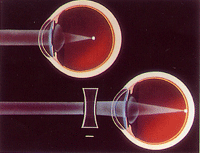 Es una condición ocular normalmente hereditaria, que provoca que los objetos se vean claros de cerca y borrosos de lejos. Su causa más frecuente es que el ojo es más largo de lo normal o la córnea está demasiado curvada, con lo cual los rayos de luz convergen antes de llegar a la retina, dando lugar a una imagen borrosa.
En la miopía, los rayos de luz convergen por delante de la retina, no sobre ella.
Hipermetropía
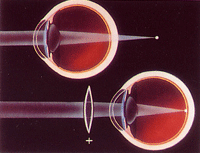 En este defecto los rayos de luz convergen detrás de la retina debido a que el ojo es más corto de lo habitual o la córnea demasiado plana, al contrario que en la miopía, dando lugar a una imagen borrosa principalmente de cerca.
En la hipermetropía, los rayos convergen por detrás de la retina.
Astigmatismo
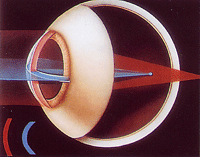 Cuando alguien tiene astigmatismo significa que la córnea está más curvada en un eje que en otro.
Para entenderlo diríamos que la córnea tiene más la forma de una pelota de rugby que de una de fútbol.
Produce visión borrosa a cualquier distancia, causando una distorsión de la imagen parecida a la de los espejos donde te ves más alto, más ancho o más delgado. Puede presentarse solo o asociado a miopía o hipermetropía.
En el astigmatismo, las irregularidades en la curvatura hacen que las imágenes se perciban deformadas.
- Quins són els riscos de l'operació?
Tot i els bons resultats, no es pot frivolitzar aquest tipus de cirurgia, ja que, sent poc freqüents, existeixen riscos. El més important són els enlluernaments nocturns, les complicacions en el moment d'aixecar la làmina corneal i les hipo i hipercorreccions. Els enlluernaments nocturns són més freqüents en pacients amb molta miopia, però des de l'ús de Zyoptix, que permet un augment de la qualitat visual, han disminuït considerablement.
- Pot ser necessària una segona intervenció?
En un 10% dels casos pot ser necessari un retractament per corregir el defecte refractiu residual, especialment en pacients amb més de 5 diòptries. Aquesta segona intervenció s'hauria de realitzar quan la graduació sigui estable, normalment entre 6 i 12 mesos després de la cirurgia. Des de l'ús de Zyoptix la necessitat d'una segona cirurgia en pacients amb miopia alta ha disminuït.
- Què pot passar si parpellejo o moc l'ull durant la intervenció?
Durant la intervenció les parpelles es mantenen amb un separador i el moviment ocular es controla mitjançant un ordinador que pertany al làser.
- Quan dura la intervenció?
L'operació de cada ull dura aproximadament uns 10 minuts.
- A partir de quina edat s'hauria de realitzar aquesta cirurgia?
És aconsellable fer-la a partir dels 20 anys i en el moment en què la graduació sigui estable durant almenys 1 any.
- Quan es pot començar a fer vida normal?
La recuperació de la visió és molt ràpida en les primeres 24 hores, d'aquesta manera permet la incorporació laboral al dia següent de la cirurgia.
- És possible operar tots dos ulls alhora?
Com que no es requereix tapar els ulls i la visió es recupera ràpidament, normalment s'operen els dos ulls alhora, tot i que si el pacient ho desitja es pot realitzar en dies separats.
- Quan de temps abans de la cirurgia hauria d'interrompre l'ús de lents de contacte?
Mínim 15 dies abans, depenent del tipus de lents, aquest temps podria variar.
- Quines precaucions s'han de prendre després de la cirurgia?
El pacient farà servir durant els 7 dies següents coliri amb antibiòtic i llàgrima artificial. Aquestes últimes es prolongaran durant unes setmanes.
Està contraindicat fregar-se els ulls durant el primer mes de la intervenció.
Les activitats esportives poden practicar-se fent servir protecció.
S'ha d'evitar l'ús de maquillatge el primer mes posterior a la cirurgia.