


- Quadre mèdic
- Especialitats
- Unitats especialitzades
 Institut del Cor Teknon
 Unitat d’Obesitat
 Institut Oncològic
 Unitat d’Medicina i cirurgia sense sang
 Institut de Neurociències
 Unitat d’atenció al lesionat de trànsit
 Unitat de Pneumologia
 Unitat de Medicina Marítima
 Institut de Teràpia Regenerativa Tissular
 Unitat de Tractament del Dolor
 Clínica del Tennis
 Unitat de malalties inflamatòries i autoimmunes sistèmiques
 Unitat de Reproducció Assistida
 Unitat del Son
 Unitat de Síndromes de Sensibilització Central
 Unitat del Virus del Papil·loma Humà
- Unitats especialitzades
- Àrea diagnòstica
- Proves diagnòstiques
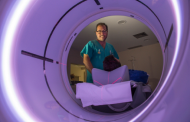 Diagnòstic per la ImatgeExploracions diagnòstiques i intervencionistes.
 Laboratori d’anatomia patològicaDisposa d’una segona opinió per part d’especialistes.
 Laboratori d’Anàlisis ClíniquesServei integral a l’àrea clínica.
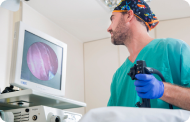 EndoscòpiaDiagnòstic precís sense utilitzar la cirurgia.
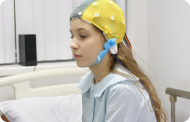 ElectrofisiologiaExploració funcional del Sistema Nerviós Central.
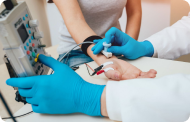 ElectromiografíaAvaluació clínica i neurofisiològica de la patologia neuromuscular.
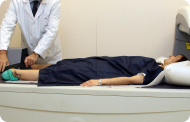 DensitometriaTècnica diagnòstica per comprovar la densitat mineral de l’os.
 UrodinàmiaDiagnòstic dels trastorns de micció i incontinència.
- Revisions mèdiques

 GeneralUn control intel·ligent de la teva salut.
 CompletUn examen exhaustiu de la teva salut.
 Complet PlusLa nostra revisió mèdica més exhaustiva.
 ViatgersSi vols fer un viatge, la teva salut forma part de l’equipatge.
 EsportiuUna revisió a fons per a potenciar el teu rendiment.
 CardiològicUna bona notícia és saber que el teu cor està sota control.
 Per a empresesUna eina que potencia la satisfacció, productivitat i fidelització del treballador.
- Proves diagnòstiques
- El nostre centre
- Entorn assistencial
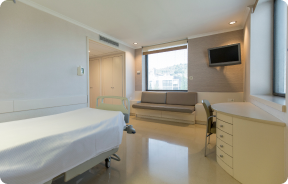 HospitalitzacióAmb habitacions lluminoses, funcionals i completament equipades.
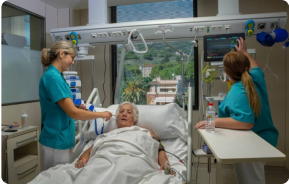 Unitat de SemicriticsDotada de tecnologia per al diagnòstic i tractament que requereixen una vigilància i cura especial.
 Programa d’Alimentació SaludableVolem millorar la salut de les persones, per això promovem una alimentació saludable, conscient i sostenible als nostres hospitals.
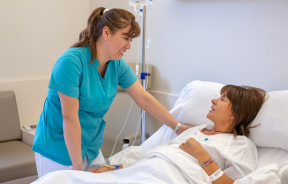 InfermeriaUn equip de més de 400 professionals.
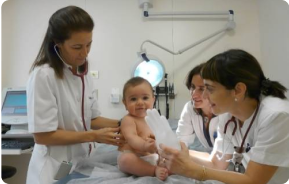 Servei d’Urgències24 hores al dia al teu servei sense interrupcions.
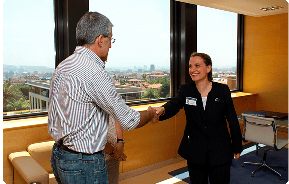 Àrea Pacient PrivatBasat en l’alta qualitat i el servei personalitzat, oferim un conjunt de serveis que complementen les cures mèdico-assistencials
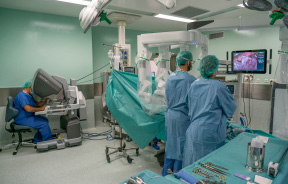 L’Àrea QuirúrgicaDisposa de 20 quiròfans, 12 d’ells preparats per a la cirurgia d’alt risc.
 International programUn assistent d’aquest programa us oferirà atenció integral i personalitzada
 Comitè d’Ètica AssistencialAjuda els ciutadans i als professionals de la salut a orienta la seva actuació en casos de conflictes morals.
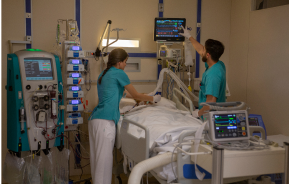 UCI-UCUnitat polivalent que disposa de boxes completament equipats amb el sistema més modern de monitorització.
 Atenció al PacientA disposició de tots els pacients i acompanyants del centre.
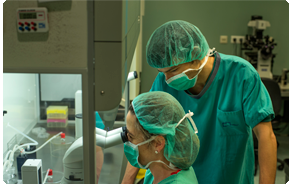 InvestigacióLa investigació constitueix un dels pilars bàsics de Centre Mèdic Teknon.
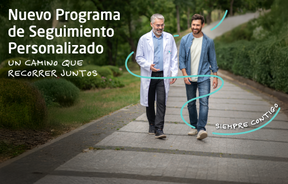 Programa de Seguiment PersonalitzatT’acompanyem durant el teu procés mèdic. Organitzem i agendem les teves cites i proves.
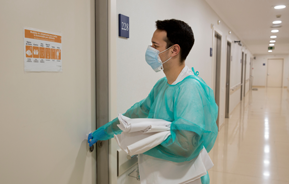 Qualitat i Seguretat del PacientAdoptem models de gestió basats en els estàndards més exigents nacionals i internacionals.
- Entorn assistencial
- Actualitat
- Actualitat
 NotíciesConeix el que està passant a Centro Médico Teknon. Consulta la nostra secció de notícies.
 AgendaPots trobar tots els esdeveniments que hem organitzat sobre salut i aquells temes d’actualitat que et poden interessar. Accedeix a la nostra agenda d’activitats.
 VídeosEn aquesta secció trobaràs una àmplia col·lecció de vídeos relacionats amb les nostres especialitats.
 PodcastTemes mèdics d’actualitat, tractaments innovadors, consells de salut y experiències de pacients abordabats pels nostres especialistes.
 Continguts de salut
- Actualitat
- Blog


- Quadre mèdic
- Especialitats
- Unitats especialitzades
- Institut del Cor Teknon
- Unitat d’Obesitat
- Institut Oncològic
- Unitat d’Medicina i cirurgia sense sang
- Institut de Neurociències
- Unitat d’atenció al lesionat de trànsit
- Unitat de Pneumologia
- Unitat de Medicina Marítima
- Institut de Teràpia Regenerativa Tissular
- Unitat de Tractament del Dolor
- Clínica del Tennis
- Unitat de malalties inflamatòries i autoimmunes sistèmiques
- Unitat de Reproducció Assistida
- Unitat del Son
- Unitat de Síndromes de Sensibilització Central
- Unitat del Virus del Papil·loma Humà
- Unitats especialitzades
- Àrea diagnòstica
- Proves diagnòstiques
- Diagnòstic per la ImatgeExploracions diagnòstiques i intervencionistes.
- Laboratori d’anatomia patològicaDisposa d’una segona opinió per part d’especialistes.
- Laboratori d’Anàlisis ClíniquesServei integral a l’àrea clínica.
- EndoscòpiaDiagnòstic precís sense utilitzar la cirurgia.
- ElectrofisiologiaExploració funcional del Sistema Nerviós Central.
- ElectromiografíaAvaluació clínica i neurofisiològica de la patologia neuromuscular.
- DensitometriaTècnica diagnòstica per comprovar la densitat mineral de l’os.
- UrodinàmiaDiagnòstic dels trastorns de micció i incontinència.
- Revisions mèdiques
- GeneralUn control intel·ligent de la teva salut.
- CompletUn examen exhaustiu de la teva salut.
- Complet PlusLa nostra revisió mèdica més exhaustiva.
- ViatgersSi vols fer un viatge, la teva salut forma part de l’equipatge.
- EsportiuUna revisió a fons per a potenciar el teu rendiment.
- CardiològicUna bona notícia és saber que el teu cor està sota control.
- Per a empresesUna eina que potencia la satisfacció, productivitat i fidelització del treballador.
- Proves diagnòstiques
- El nostre centre
- Entorn assistencial
- HospitalitzacióAmb habitacions lluminoses, funcionals i completament equipades.
- Unitat de SemicriticsDotada de tecnologia per al diagnòstic i tractament que requereixen una vigilància i cura especial.
- Programa d’Alimentació SaludableVolem millorar la salut de les persones, per això promovem una alimentació saludable, conscient i sostenible als nostres hospitals.
- InfermeriaUn equip de més de 400 professionals.
- Servei d’Urgències24 hores al dia al teu servei sense interrupcions.
- Àrea Pacient PrivatBasat en l’alta qualitat i el servei personalitzat, oferim un conjunt de serveis que complementen les cures mèdico-assistencials
- L’Àrea QuirúrgicaDisposa de 20 quiròfans, 12 d’ells preparats per a la cirurgia d’alt risc.
- International programUn assistent d’aquest programa us oferirà atenció integral i personalitzada
- Comitè d’Ètica AssistencialAjuda els ciutadans i als professionals de la salut a orienta la seva actuació en casos de conflictes morals.
- UCI-UCUnitat polivalent que disposa de boxes completament equipats amb el sistema més modern de monitorització.
- Atenció al PacientA disposició de tots els pacients i acompanyants del centre.
- InvestigacióLa investigació constitueix un dels pilars bàsics de Centre Mèdic Teknon.
- Programa de Seguiment PersonalitzatT’acompanyem durant el teu procés mèdic. Organitzem i agendem les teves cites i proves.
- Qualitat i Seguretat del PacientAdoptem models de gestió basats en els estàndards més exigents nacionals i internacionals.
- Entorn assistencial
- Actualitat
- Actualitat
- NotíciesConeix el que està passant a Centro Médico Teknon. Consulta la nostra secció de notícies.
- AgendaPots trobar tots els esdeveniments que hem organitzat sobre salut i aquells temes d’actualitat que et poden interessar. Accedeix a la nostra agenda d’activitats.
- VídeosEn aquesta secció trobaràs una àmplia col·lecció de vídeos relacionats amb les nostres especialitats.
- PodcastTemes mèdics d’actualitat, tractaments innovadors, consells de salut y experiències de pacients abordabats pels nostres especialistes.
- Continguts de salut
- Actualitat
- Blog


- Unitats especialitzades
 Traumatologia
- Tractaments i especialitats
- Pròtesi de genoll
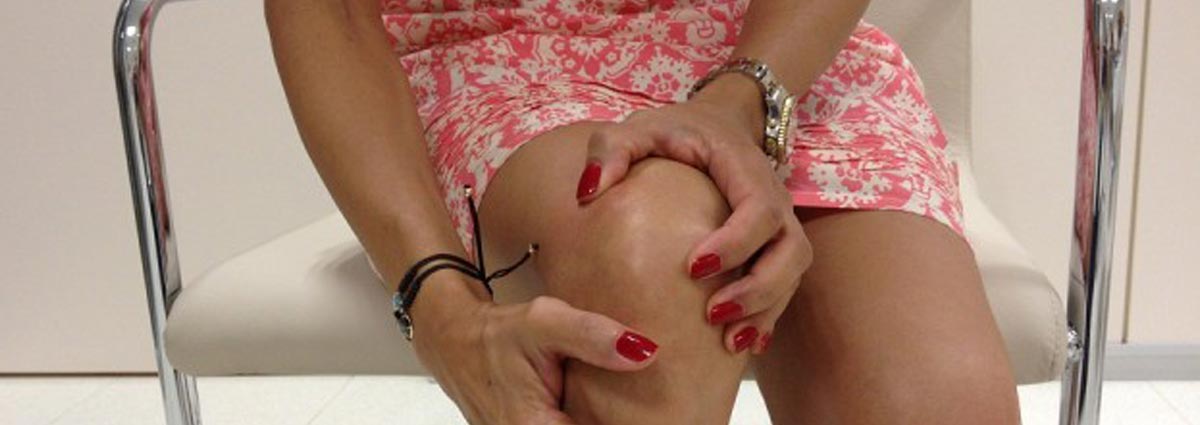
Pròtesi de genoll
La majoria de reemplaçament de genoll es realitzen en casos d'artrosi avançada, quan la malaltia ha danyat l'articulació i realitzar un petit exercici com caminar es converteix en un acte indolor i que requereix un gran esforç.
En un índex de casos, els reemplaçaments es poden realitzar a causa de malalties inflamatòries reumàtiques o bé per necrosi òssia (infarts de l'os).
- Què és l'artrosi?
Definim l'artrosi com una malaltia degenerativa de l'articulació en la qual es perd el cartílag articular que cobreix l'os en les zones de contacte. L'artrosi és una malaltia lenta i progressiva que produeix un desgast progressiu de l'articulació fins pràcticament la seva destrucció. L'artrosi afecta, majoritàriament, a persones d‘entre 65 i 80 anys, però pot variar en funció del pes, l'activitat del pacient i l'anatomia del genoll. Afecta, en la majoria de casos, a més dones que homes.
A mesura que l'artrosi avança i hi ha una pèrdua del cartílag de l'articulació que porta el contacte d'os amb os, el pacient pateix un major dolor i la seva qualitat disminueix. En fases inicials, aquets dolor es pot tractar amb antiinflamatoris. Quan l'artrosi es troba en fases avançades i el dolor és incapacitant, és el moment de realitzar un reemplaçament de genoll.
- Com es determina el grau de lesió?
En primer lloc, l'especialista li realitzarà un breu interrogatori i una exploració clínica. Per completar el diagnòstic, ha de sol·licitar radiografies, on podrà comprovar la pèrdua de cartílag. En determinats casos també és necessari realitzar una ressonància magnètica o una TC.
- Quan haig d'operar-me?
La cirurgia es realitza en casos d'artrosi avançada quan el pacient perd la capacitat funcional i qualitat de vida en les activitats diàries. En tot cas, és l'especialista qui indica la col·locació de la pròtesi i el propi pacient és qui decideix el moment d'operar-se.
- Quin tipus de pròtesis es col·loquen?
Les pròtesis que s'utilitzen en aquests reemplaçaments intenten reproduir el moviment normal del genoll. Bàsicament existeixen dos tipus de pròtesi:
- Pròtesi unicompartimental. El reemplaçament parcial del genoll es realitza en aquells casos en què la degeneració del cartílag afecta només un dels tres compartiments que formen el genoll i, per tant, únicament s'ha de substituir el compartiment afectat ja que la resta de l'articulació està ben conservada. La correcta selecció dels pacients és fonamental per aconseguir un bon resultat. De fet, aquesta tècnica està indicada només al voltant d'un 10% de casos.
- Pròtesi total. En el reemplaçament total del genoll se substitueixen els extrems ossis del fèmur i la tíbia per components protèsics. Aquests elements s'articulen entre si i amb la ròtula, que en algunes ocasiones també se substitueix, en funció de les deformitats, els danys o del criteri el cirurgià. Existeixen diferents tipus de pròtesis totals, la seva selecció dependrà de les característiques, la seva edat, la qualitat i l'estructura dels ossos, la laxitud lligamentosa, etc.
La majoria de les pròtesis estan realitzades amb components de plàstic (polietilè d'alta densitat) i metall (aliatge de cromocobalt) amb l'objectiu que les peces llisquin una amb l'altra com si fos un cartílag sa, de manera que el pacient pugui realitzar els moviments normals del genoll. Els components protèsics se subjecten a l'os mitjançant un "ciment" (polimetilmetacrilat) que produeix una fixació immediata de la pròtesi.
- Quant de temps estaré ingressat?
L'ingrés hospitalari acostuma a ser d'uns sis dies, però pot variar en funció de l'evolució.
- Hauré de fer rehabilitació?
És important realitzar un programa específic de rehabilitació, que l'haurà de dissenyar l'especialista i ser dirigit pel fisioterapeuta. Per norma general, les primeres quatre setmanes posteriors a la intervenció realitzarà la rehabilitació de forma diària, i després podrà realitzar sessions intermitents durant quatre setmanes més.
En la majoria de casos, sis setmanes després de la cirurgia podrà realitzar la majoria d'activitats de la vida quotidiana sense ajuda de crosses.
La recuperació no és un procediment lent, no requereix mesos ni és un procés dolorós.
- Podré practicar exercici físic?
Excepte contraindicació, podrà realitzar exercici físic de forma moderada. Els esports d'impacte no es recomanen, ja que el desgast és major i pot ser necessari un recanvi de pròtesi abans del que és habitual.
- Quina és la durada d'una pròtesi?
Aquesta és una pregunta freqüent a la consulta. Els pacients volen conèixer en quin moment hauran de realitzar el recanvi de pròtesi. La resposta depèn de cada cas, ja que pot variar en funció del nivell d'activitat de la persona o les seves necessitats funcionals.
En la majoria dels casos, una pròtesi pot tenir una durada d'entre 15 i 20 anys. El treball realitzat pel cirurgià en el quiròfan i l'ús que en faci el pacient són els dos factors més decisius per determinar la durada.
- A quina edat es pot realitzar un reemplaçament de genoll?
Els pacients que pateixen artrosi viuen amb un dolor que sovint els impedeix realitzar les activitats quotidianes amb normalitat. No existeix una edat determinada a partir de la qual es pugui fer un reemplaçament de genoll, aquest moment s'ha de determinar en funció del grau de la lesió i el dolor del pacient.
Tot i que en la majoria de casos els pacients tenen més de 60 anys, això no significa que un pacient de 50 anys hagi de patir un dolor continu a l'espera de fer els 60 i poder realitzar el reemplaçament. La pròtesi s'ha de col·locar en el moment en què sigui necessari. El seu especialista li ho indicarà.