


- Quadre mèdic
- Especialitats
- Unitats especialitzades
 Institut del Cor Teknon
 Unitat d’Obesitat
 Institut Oncològic
 Unitat d’Medicina i cirurgia sense sang
 Institut de Neurociències
 Unitat d’atenció al lesionat de trànsit
 Unitat de Pneumologia
 Unitat de Medicina Marítima
 Institut de Teràpia Regenerativa Tissular
 Unitat de Tractament del Dolor
 Clínica del Tennis
 Unitat de malalties inflamatòries i autoimmunes sistèmiques
 Unitat de Reproducció Assistida
 Unitat del Son
 Unitat de Síndromes de Sensibilització Central
 Unitat del Virus del Papil·loma Humà
- Unitats especialitzades
- Àrea diagnòstica
- Proves diagnòstiques
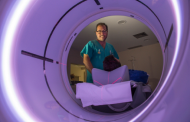 Diagnòstic per la ImatgeExploracions diagnòstiques i intervencionistes.
 Laboratori d’anatomia patològicaDisposa d’una segona opinió per part d’especialistes.
 Laboratori d’Anàlisis ClíniquesServei integral a l’àrea clínica.
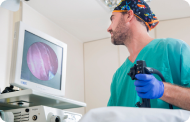 EndoscòpiaDiagnòstic precís sense utilitzar la cirurgia.
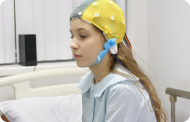 ElectrofisiologiaExploració funcional del Sistema Nerviós Central.
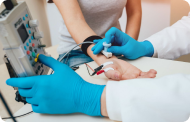 ElectromiografíaAvaluació clínica i neurofisiològica de la patologia neuromuscular.
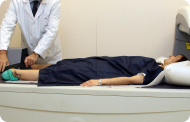 DensitometriaTècnica diagnòstica per comprovar la densitat mineral de l’os.
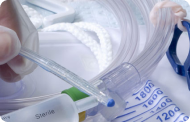 UrodinàmiaDiagnòstic dels trastorns de micció i incontinència.
- Revisions mèdiques

 GeneralUn control intel·ligent de la teva salut.
 CompletUn examen exhaustiu de la teva salut.
 Complet PlusLa nostra revisió mèdica més exhaustiva.
 ViatgersSi vols fer un viatge, la teva salut forma part de l’equipatge.
 EsportiuUna revisió a fons per a potenciar el teu rendiment.
 CardiològicUna bona notícia és saber que el teu cor està sota control.
 Per a empresesUna eina que potencia la satisfacció, productivitat i fidelització del treballador.
- Proves diagnòstiques
- El nostre centre
- Entorn assistencial
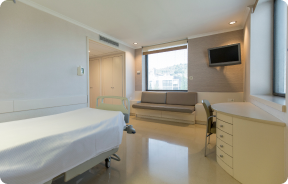 HospitalitzacióAmb habitacions lluminoses, funcionals i completament equipades.
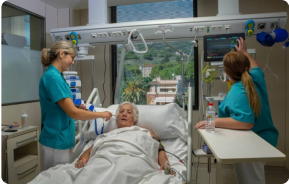 Unitat de SemicriticsDotada de tecnologia per al diagnòstic i tractament que requereixen una vigilància i cura especial.
 Programa d’Alimentació SaludableVolem millorar la salut de les persones, per això promovem una alimentació saludable, conscient i sostenible als nostres hospitals.
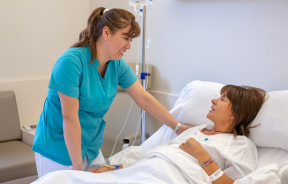 InfermeriaUn equip de més de 400 professionals.
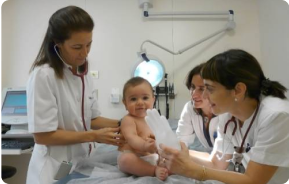 Servei d’Urgències24 hores al dia al teu servei sense interrupcions.
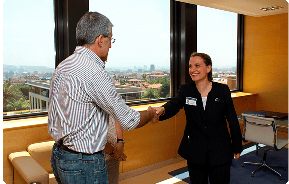 Àrea Pacient PrivatBasat en l’alta qualitat i el servei personalitzat, oferim un conjunt de serveis que complementen les cures mèdico-assistencials
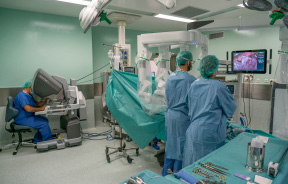 L’Àrea QuirúrgicaDisposa de 20 quiròfans, 12 d’ells preparats per a la cirurgia d’alt risc.
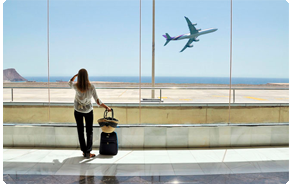 International programUn assistent d’aquest programa us oferirà atenció integral i personalitzada
 Comitè d’Ètica AssistencialAjuda els ciutadans i als professionals de la salut a orienta la seva actuació en casos de conflictes morals.
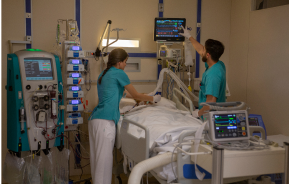 UCI-UCUnitat polivalent que disposa de boxes completament equipats amb el sistema més modern de monitorització.
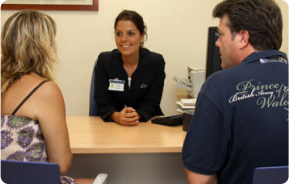 Atenció al PacientA disposició de tots els pacients i acompanyants del centre.
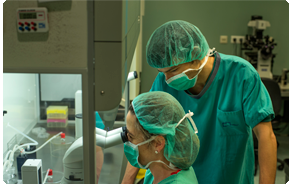 InvestigacióLa investigació constitueix un dels pilars bàsics de Centre Mèdic Teknon.
 Programa de Seguiment PersonalitzatT’acompanyem durant el teu procés mèdic. Organitzem i agendem les teves cites i proves.
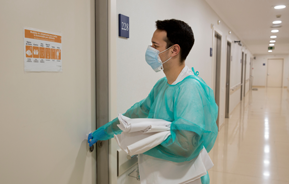 Qualitat i Seguretat del PacientAdoptem models de gestió basats en els estàndards més exigents nacionals i internacionals.
- Entorn assistencial
- Actualitat
- Actualitat
 NotíciesConeix el que està passant a Centro Médico Teknon. Consulta la nostra secció de notícies.
 AgendaPots trobar tots els esdeveniments que hem organitzat sobre salut i aquells temes d’actualitat que et poden interessar. Accedeix a la nostra agenda d’activitats.
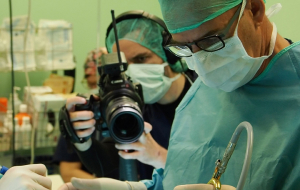 VídeosEn aquesta secció trobaràs una àmplia col·lecció de vídeos relacionats amb les nostres especialitats.
 PodcastTemes mèdics d’actualitat, tractaments innovadors, consells de salut y experiències de pacients abordabats pels nostres especialistes.
 Continguts de salut
- Actualitat
- Blog


- Quadre mèdic
- Especialitats
- Unitats especialitzades
- Institut del Cor Teknon
- Unitat d’Obesitat
- Institut Oncològic
- Unitat d’Medicina i cirurgia sense sang
- Institut de Neurociències
- Unitat d’atenció al lesionat de trànsit
- Unitat de Pneumologia
- Unitat de Medicina Marítima
- Institut de Teràpia Regenerativa Tissular
- Unitat de Tractament del Dolor
- Clínica del Tennis
- Unitat de malalties inflamatòries i autoimmunes sistèmiques
- Unitat de Reproducció Assistida
- Unitat del Son
- Unitat de Síndromes de Sensibilització Central
- Unitat del Virus del Papil·loma Humà
- Unitats especialitzades
- Àrea diagnòstica
- Proves diagnòstiques
- Diagnòstic per la ImatgeExploracions diagnòstiques i intervencionistes.
- Laboratori d’anatomia patològicaDisposa d’una segona opinió per part d’especialistes.
- Laboratori d’Anàlisis ClíniquesServei integral a l’àrea clínica.
- EndoscòpiaDiagnòstic precís sense utilitzar la cirurgia.
- ElectrofisiologiaExploració funcional del Sistema Nerviós Central.
- ElectromiografíaAvaluació clínica i neurofisiològica de la patologia neuromuscular.
- DensitometriaTècnica diagnòstica per comprovar la densitat mineral de l’os.
- UrodinàmiaDiagnòstic dels trastorns de micció i incontinència.
- Revisions mèdiques
- GeneralUn control intel·ligent de la teva salut.
- CompletUn examen exhaustiu de la teva salut.
- Complet PlusLa nostra revisió mèdica més exhaustiva.
- ViatgersSi vols fer un viatge, la teva salut forma part de l’equipatge.
- EsportiuUna revisió a fons per a potenciar el teu rendiment.
- CardiològicUna bona notícia és saber que el teu cor està sota control.
- Per a empresesUna eina que potencia la satisfacció, productivitat i fidelització del treballador.
- Proves diagnòstiques
- El nostre centre
- Entorn assistencial
- HospitalitzacióAmb habitacions lluminoses, funcionals i completament equipades.
- Unitat de SemicriticsDotada de tecnologia per al diagnòstic i tractament que requereixen una vigilància i cura especial.
- Programa d’Alimentació SaludableVolem millorar la salut de les persones, per això promovem una alimentació saludable, conscient i sostenible als nostres hospitals.
- InfermeriaUn equip de més de 400 professionals.
- Servei d’Urgències24 hores al dia al teu servei sense interrupcions.
- Àrea Pacient PrivatBasat en l’alta qualitat i el servei personalitzat, oferim un conjunt de serveis que complementen les cures mèdico-assistencials
- L’Àrea QuirúrgicaDisposa de 20 quiròfans, 12 d’ells preparats per a la cirurgia d’alt risc.
- International programUn assistent d’aquest programa us oferirà atenció integral i personalitzada
- Comitè d’Ètica AssistencialAjuda els ciutadans i als professionals de la salut a orienta la seva actuació en casos de conflictes morals.
- UCI-UCUnitat polivalent que disposa de boxes completament equipats amb el sistema més modern de monitorització.
- Atenció al PacientA disposició de tots els pacients i acompanyants del centre.
- InvestigacióLa investigació constitueix un dels pilars bàsics de Centre Mèdic Teknon.
- Programa de Seguiment PersonalitzatT’acompanyem durant el teu procés mèdic. Organitzem i agendem les teves cites i proves.
- Qualitat i Seguretat del PacientAdoptem models de gestió basats en els estàndards més exigents nacionals i internacionals.
- Entorn assistencial
- Actualitat
- Actualitat
- NotíciesConeix el que està passant a Centro Médico Teknon. Consulta la nostra secció de notícies.
- AgendaPots trobar tots els esdeveniments que hem organitzat sobre salut i aquells temes d’actualitat que et poden interessar. Accedeix a la nostra agenda d’activitats.
- VídeosEn aquesta secció trobaràs una àmplia col·lecció de vídeos relacionats amb les nostres especialitats.
- PodcastTemes mèdics d’actualitat, tractaments innovadors, consells de salut y experiències de pacients abordabats pels nostres especialistes.
- Continguts de salut
- Actualitat
- Blog


- Especialitats
 Monés Carilla Jordi
- Els nostres serveis
- Cirugía plástica ocular

 Centro Médico Teknon
- Centro Médico Teknon
 Centro Médico Teknon

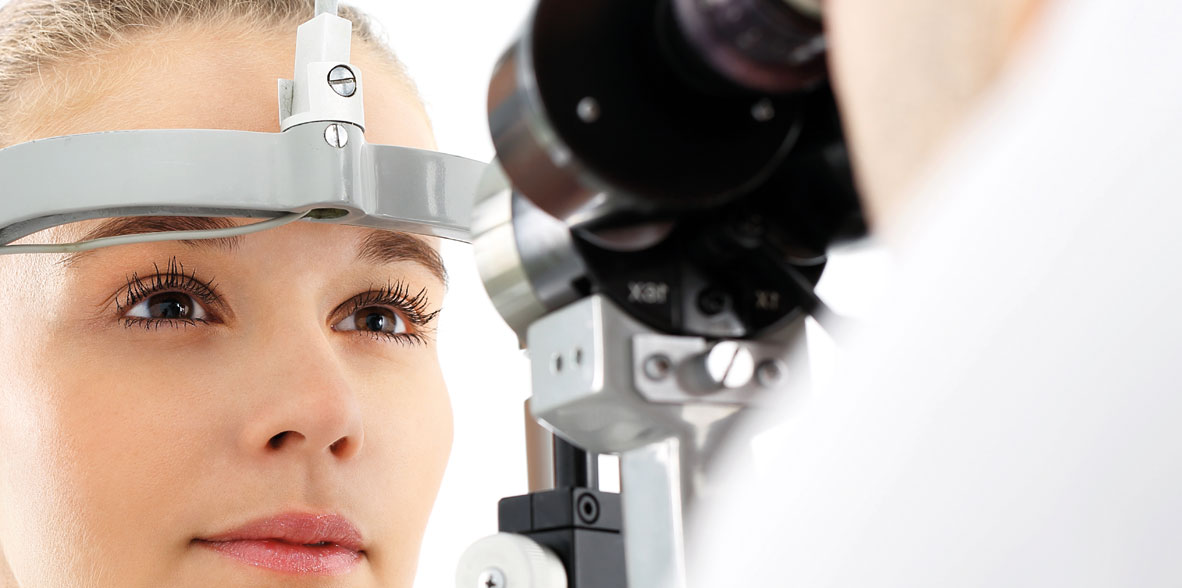
En la Unidad de Cirugía Plástica Ocular del Institut realizamos cirugías mínimamente invasivas, sin cicatrices visibles y con periodos de recuperación cortos. Para garantizar la salud ocular, estas intervenciones las realiza un oftalmólogo especializado en cirugía plástica ocular, ya que es esencial el conocimiento de las delicadas estructuras perioculares para realizar estas intervenciones de forma correcta y, sobre todo, segura.
La zona ocular es la más fina del rostro y el área más propensa a los efectos del envejecimiento. Con el paso de los años llega la aparición de arrugas, acumulación de piel en exceso y bolsas de grasa en los párpados. Estas imperfecciones que con la edad aparecen nos hacen mostrar una apariencia cansada que afecta al conjunto de nuestra expresión facial.
En el Institut de la Màcula le daremos todas las respuestas a sus preocupaciones tanto en relación a los resultados como al procedimiento, resolveremos sus dudas y curiosidades.
- Blefaroplastia
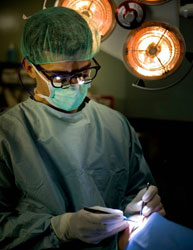 El rejuvenecimiento estético de los párpados puede realizarse mediante cirugías mínimamente invasivas, sin cicatrices visibles y con periodos de recuperación cortos.
Para garantizar la salud ocular es fundamental que estas intervenciones las realice un oftalmólogo especializado en cirugía plástica ocular puesto que es esencial el conocimiento de las delicadas estructuras perioculares para realizar estas intervenciones de forma correcta y segura.
- Malposiciones palpebrales
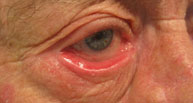 Son múltiples las patologías que pueden presentarse en los párpados. Las más comunes son las malposiciones, como el párpado caído (ptosis palpebral), el ectropión o el entropión. También pueden aparecer tumores benignos o lesiones cancerosas que requieren cirugías complejas.
 - Tumores oculares, palpebrales y orbitarios
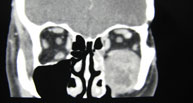 La naturaleza de los tumores que pueden presentarse en el área periocular es muy variada, y podemos encontrar multitud de lesiones benignas y quistes, pero también lesiones cancerosas. Cuando una lesión cancerosa se presenta en los párpados, es fundamental que la trate un especialista, ya que requieren técnicas quirúrgicas muy específicas.
 - Ojo lloroso
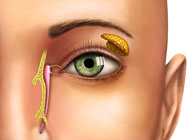 El ojo lloroso es hoy en día uno de los motivos de consulta más frecuentes. La obstrucción de los conductos lagrimales es una de las causas más frecuentes de lagrimeo y puede producirse en diferentes puntos de la vía lagrimal. Actualmente disponemos de tratamiento para todo tipo de obstrucciones lagrimales, empleando modernas técnicas endoscópicas que evitan cicatrices externas y con una recuperación más rápida.
 - Blefaroespasmo
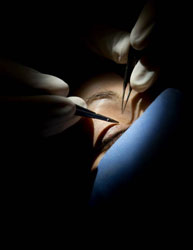 El blefaroespasmo es el cierre involuntario de los párpados, o parpadeo excesivo involuntario. Los primeros síntomas pueden ser un aumento ocasional del parpadeo de uno o ambos ojos, o simplemente una dificultad para mantener los ojos abiertos.
Si la enfermedad progresa, los espasmos de los párpados empiezan a aumentar en frecuencia y pueden llegar a impedir la visión del paciente.
El tratamiento con inyecciones de toxina botulínica es, actualmente, el tratamiento de elección para el blefaroespasmo.
El abordaje quirúrgico se reserva para pacientes que no responden al tratamiento con toxina botulínica.
- Oftalmopatía tiroidea
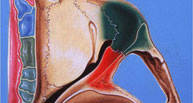 La oftalmopatía tiroidea es una enfermedad autoinmune en la que el propio sistema inmunológico del paciente ataca la glándula tiroides y produce, en la mayoría de casos, un hipertiroidismo. Los mismos anticuerpos que reaccionan contra la tiroides lo hacen también contra la grasa orbitaria y los músculos extraoculares, y producen la oftalmopatía tiroidea.
Esta enfermedad requiere un abordaje multidisciplinar en el que un endocrinólogo y un oftalmólogo especializados deben tratar la enfermedad de forma conjunta.
- Parálisis facial
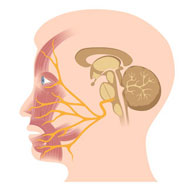 La parálisis del nervio facial tiene consecuencias directas sobre la salud ocular, ya que la musculatura de los párpados queda paralizada y el paciente tiene dificultad para cerrar el ojo afectado. Esto puede derivar en problemas importantes de superficie ocular por desecación de la misma. Hoy en día disponemos de modernas técnicas que, realizadas de forma mínimamente invasiva, aseguran una adecuada protección ocular. Otras consecuencias oculares de la parálisis facial son la caída del párpado inferior (ectropión), el lagrimeo y el blefaroespasmo.
 - Linfangiomas orbitarios
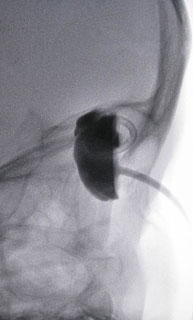 Los linfangiomas orbitarios son lesiones benignas que normalmente están presentes desde el nacimiento, pero que crecen con la edad y pueden provocar graves problemas oculares. La cirugía de estas lesiones se desaconseja excepto en casos extremos, ya que su resección completa es imposible y entraña riesgos muy altos para la visión.
En nuestro centro somos pioneros en Europa en el tratamiento esclerosante percutáneo de los linfangiomas de la órbita. Este tratamiento no requiere sutura ni deja cicatriz.
- Reconstrucción palpebral y orbitaria
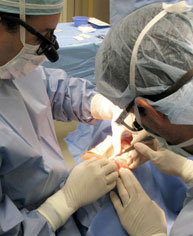 En los ojos, un traumatismo de suficiente intensidad puede ocasionar graves lesiones a las estructuras internas del globo ocular que pueden comportar una pérdida de visión permanente.
La situación más grave es la presencia de una perforación o estallido ocular, ya que la disrupción de las paredes oculares supone un alto riesgo de pérdida de la visión y de la viabilidad del globo ocular si no se trata de forma urgente mediante cirugía. En ocasiones, la disrupción es tan severa que ocasiona la pérdida del globo ocular. En estos casos enfocamos el tratamiento a la rehabilitación estética del paciente, mediante el implante de prótesis orbitarias que imitan con gran perfección al ojo sano.
Los traumatismos palpebrales más complejos, que se presentan con pérdida de tejido, pueden ser difíciles de tratar, ya que a la propia lesión traumática se suma una reacción cicatricial muy intensa. En la gran mayoría de casos puede conseguirse una recuperación aceptable, tanto funcional como estética, mediante el uso de técnicas avanzadas en reconstrucción palpebral.
La mayoría de fracturas orbitarias pueden repararse mediante cirugía mínimamente invasiva por vía transconjuntival, sin cicatrices en la piel.
Los traumatismos más complejos, que pueden involucrar el globo ocular, los párpados y la órbita, requieren con frecuencia más de una cirugía para conseguir el resultado funcional y estético deseado.
- Medicina Estética facial
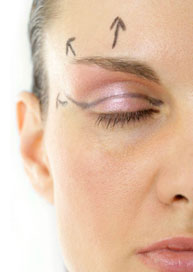 En el Institut de la Màcula empleamos técnicas para tratar el envejecimiento facial que no requieren intervención quirúrgica.
- Toxina butolínica: Sus aplicaciones en la medicina actual son múltiples y entre ellas el rejuvenecimiento facial sin cirugía.
- Sustancias de relleno: Tratamiento de la pérdida de volumen en los tejidos faciales (pliegues y surcos) mediante la inyección de sustancias de relleno naturales como el ácido hialurónico.
Mejora tu aspecto estético a través de prácticas preventivas en las que usamos anestesia local o tópica minimizando los posibles riesgos derivados para su salud.