

- Quadre mèdic
- Especialitats
- Unitats especialitzades
 Institut del Cor Teknon
 Unitat d’Obesitat
 Institut Oncològic
 Unitat d’Medicina i cirurgia sense sang
 Institut de Neurociències
 Unitat d’atenció al lesionat de trànsit
 Unitat de Pneumologia
 Unitat de Medicina Marítima
 Institut de Teràpia Regenerativa Tissular
 Unitat de Tractament del Dolor
 Clínica del Tennis
 Unitat de malalties inflamatòries i autoimmunes sistèmiques
 Unitat de Reproducció Assistida
 Unitat del Son
 Unitat de Síndromes de Sensibilització Central
 Unitat del Virus del Papil·loma Humà
- Unitats especialitzades
- Àrea diagnòstica
- Proves diagnòstiques
 Diagnòstic per la ImatgeExploracions diagnòstiques i intervencionistes.
 Laboratori d’anatomia patològicaDisposa d’una segona opinió per part d’especialistes.
 Laboratori d’Anàlisis ClíniquesServei integral a l’àrea clínica.
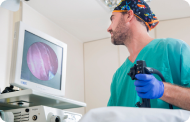 EndoscòpiaDiagnòstic precís sense utilitzar la cirurgia.
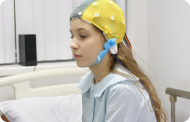 ElectrofisiologiaExploració funcional del Sistema Nerviós Central.
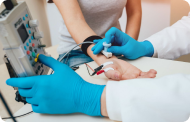 ElectromiografíaAvaluació clínica i neurofisiològica de la patologia neuromuscular.
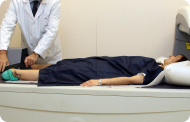 DensitometriaTècnica diagnòstica per comprovar la densitat mineral de l’os.
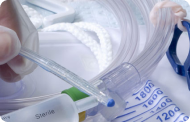 UrodinàmiaDiagnòstic dels trastorns de micció i incontinència.
- Revisions mèdiques

 GeneralUn control intel·ligent de la teva salut.
 CompletUn examen exhaustiu de la teva salut.
 Complet PlusLa nostra revisió mèdica més exhaustiva.
 ViatgersSi vols fer un viatge, la teva salut forma part de l’equipatge.
 EsportiuUna revisió a fons per a potenciar el teu rendiment.
 CardiològicUna bona notícia és saber que el teu cor està sota control.
 Per a empresesUna eina que potencia la satisfacció, productivitat i fidelització del treballador.
- Proves diagnòstiques
- El nostre centre
- Entorn assistencial
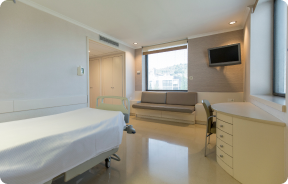 HospitalitzacióAmb habitacions lluminoses, funcionals i completament equipades.
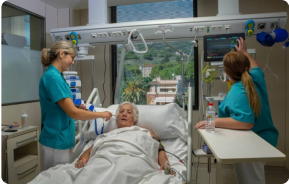 Unitat de SemicriticsDotada de tecnologia per al diagnòstic i tractament que requereixen una vigilància i cura especial.
 Programa d’Alimentació SaludableVolem millorar la salut de les persones, per això promovem una alimentació saludable, conscient i sostenible als nostres hospitals.
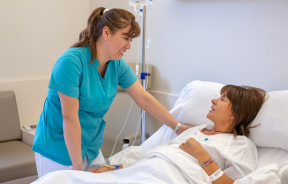 InfermeriaUn equip de més de 400 professionals.
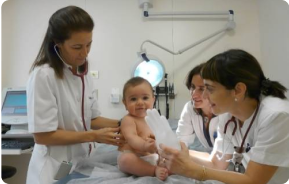 Servei d’Urgències24 hores al dia al teu servei sense interrupcions.
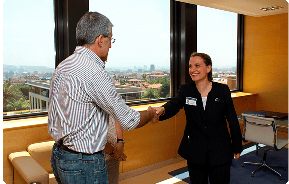 Àrea Pacient PrivatBasat en l’alta qualitat i el servei personalitzat, oferim un conjunt de serveis que complementen les cures mèdico-assistencials
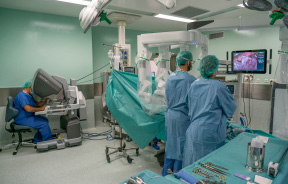 L’Àrea QuirúrgicaDisposa de 20 quiròfans, 12 d’ells preparats per a la cirurgia d’alt risc.
 International programUn assistent d’aquest programa us oferirà atenció integral i personalitzada
 Comitè d’Ètica AssistencialAjuda els ciutadans i als professionals de la salut a orienta la seva actuació en casos de conflictes morals.
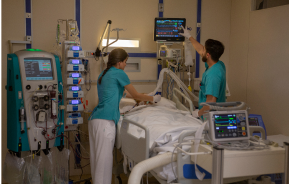 UCI-UCUnitat polivalent que disposa de boxes completament equipats amb el sistema més modern de monitorització.
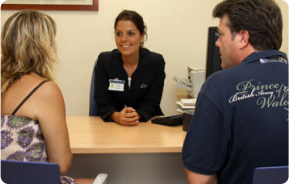 Atenció al PacientA disposició de tots els pacients i acompanyants del centre.
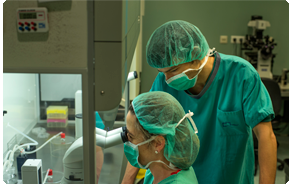 InvestigacióLa investigació constitueix un dels pilars bàsics de Centre Mèdic Teknon.
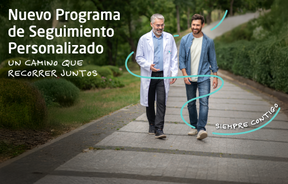 Programa de Seguiment PersonalitzatT’acompanyem durant el teu procés mèdic. Organitzem i agendem les teves cites i proves.
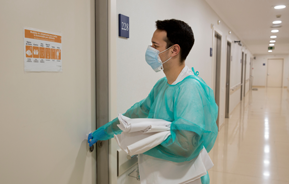 Qualitat i Seguretat del PacientAdoptem models de gestió basats en els estàndards més exigents nacionals i internacionals.
- Entorn assistencial
- Actualitat
- Actualitat
 NotíciesConeix el que està passant a Centro Médico Teknon. Consulta la nostra secció de notícies.
 AgendaPots trobar tots els esdeveniments que hem organitzat sobre salut i aquells temes d’actualitat que et poden interessar. Accedeix a la nostra agenda d’activitats.
 VídeosEn aquesta secció trobaràs una àmplia col·lecció de vídeos relacionats amb les nostres especialitats.
 PodcastTemes mèdics d’actualitat, tractaments innovadors, consells de salut y experiències de pacients abordabats pels nostres especialistes.
 Continguts de salut
- Actualitat
- Blog


- Quadre mèdic
- Especialitats
- Unitats especialitzades
- Institut del Cor Teknon
- Unitat d’Obesitat
- Institut Oncològic
- Unitat d’Medicina i cirurgia sense sang
- Institut de Neurociències
- Unitat d’atenció al lesionat de trànsit
- Unitat de Pneumologia
- Unitat de Medicina Marítima
- Institut de Teràpia Regenerativa Tissular
- Unitat de Tractament del Dolor
- Clínica del Tennis
- Unitat de malalties inflamatòries i autoimmunes sistèmiques
- Unitat de Reproducció Assistida
- Unitat del Son
- Unitat de Síndromes de Sensibilització Central
- Unitat del Virus del Papil·loma Humà
- Unitats especialitzades
- Àrea diagnòstica
- Proves diagnòstiques
- Diagnòstic per la ImatgeExploracions diagnòstiques i intervencionistes.
- Laboratori d’anatomia patològicaDisposa d’una segona opinió per part d’especialistes.
- Laboratori d’Anàlisis ClíniquesServei integral a l’àrea clínica.
- EndoscòpiaDiagnòstic precís sense utilitzar la cirurgia.
- ElectrofisiologiaExploració funcional del Sistema Nerviós Central.
- ElectromiografíaAvaluació clínica i neurofisiològica de la patologia neuromuscular.
- DensitometriaTècnica diagnòstica per comprovar la densitat mineral de l’os.
- UrodinàmiaDiagnòstic dels trastorns de micció i incontinència.
- Revisions mèdiques
- GeneralUn control intel·ligent de la teva salut.
- CompletUn examen exhaustiu de la teva salut.
- Complet PlusLa nostra revisió mèdica més exhaustiva.
- ViatgersSi vols fer un viatge, la teva salut forma part de l’equipatge.
- EsportiuUna revisió a fons per a potenciar el teu rendiment.
- CardiològicUna bona notícia és saber que el teu cor està sota control.
- Per a empresesUna eina que potencia la satisfacció, productivitat i fidelització del treballador.
- Proves diagnòstiques
- El nostre centre
- Entorn assistencial
- HospitalitzacióAmb habitacions lluminoses, funcionals i completament equipades.
- Unitat de SemicriticsDotada de tecnologia per al diagnòstic i tractament que requereixen una vigilància i cura especial.
- Programa d’Alimentació SaludableVolem millorar la salut de les persones, per això promovem una alimentació saludable, conscient i sostenible als nostres hospitals.
- InfermeriaUn equip de més de 400 professionals.
- Servei d’Urgències24 hores al dia al teu servei sense interrupcions.
- Àrea Pacient PrivatBasat en l’alta qualitat i el servei personalitzat, oferim un conjunt de serveis que complementen les cures mèdico-assistencials
- L’Àrea QuirúrgicaDisposa de 20 quiròfans, 12 d’ells preparats per a la cirurgia d’alt risc.
- International programUn assistent d’aquest programa us oferirà atenció integral i personalitzada
- Comitè d’Ètica AssistencialAjuda els ciutadans i als professionals de la salut a orienta la seva actuació en casos de conflictes morals.
- UCI-UCUnitat polivalent que disposa de boxes completament equipats amb el sistema més modern de monitorització.
- Atenció al PacientA disposició de tots els pacients i acompanyants del centre.
- InvestigacióLa investigació constitueix un dels pilars bàsics de Centre Mèdic Teknon.
- Programa de Seguiment PersonalitzatT’acompanyem durant el teu procés mèdic. Organitzem i agendem les teves cites i proves.
- Qualitat i Seguretat del PacientAdoptem models de gestió basats en els estàndards més exigents nacionals i internacionals.
- Entorn assistencial
- Actualitat
- Actualitat
- NotíciesConeix el que està passant a Centro Médico Teknon. Consulta la nostra secció de notícies.
- AgendaPots trobar tots els esdeveniments que hem organitzat sobre salut i aquells temes d’actualitat que et poden interessar. Accedeix a la nostra agenda d’activitats.
- VídeosEn aquesta secció trobaràs una àmplia col·lecció de vídeos relacionats amb les nostres especialitats.
- PodcastTemes mèdics d’actualitat, tractaments innovadors, consells de salut y experiències de pacients abordabats pels nostres especialistes.
- Continguts de salut
- Actualitat
- Blog


- Especialitats
 Riambau Alonso Vicente
- Servicios
- Principales patologías
- Enfermedad carotida
 Centro Médico Teknon

¿Qué es la enfermedad de las arterias carótidas?
Las arterias son las encargadas de transportar sangre rica en oxígeno desde el corazón hacia otras partes del cuerpo. Las arterias carótidas son dos arterias principales que transportan sangre desde el corazón, pasando por el cuello, hasta el cerebro.
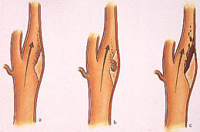
Las arterias carótidas sanas son lisas y no presentan obstrucciones, lo cual permite que la sangre fluya libremente hacia el cerebro y proporcione oxígeno, glucosa y otros nutrientes que las células cerebrales necesitan. Con la edad, las arterias carótidas por lo general acumulan placa, una sustancia viscosa compuesta principalmente de grasa y colesterol. La placa estrecha el paso en las arterias y las vuelve rígidas.
La enfermedad de las arterias carótidas se presenta cuando las arterias carótidas se vuelven demasiado estrechas o se obstruyen, lo cual limita el flujo sanguíneo al cerebro. Los infartos cerebrales se producen debido a la obstrucción del flujo sanguíneo hacia el cerebro provocada por la placa o bien, más frecuentemente, cuando se desprenden pequeñas porciones de placa y se dirigen al cerebro (embolias cerebrales). Si la enfermedad de las arterias carótidas no se trata, se puede producir un infarto cerebral, ya que la falta de oxígeno y otros nutrientes esenciales daña el cerebro. Según su gravedad, un infarto cerebral puede ser fatal. De hecho, los infartos cerebrales son la tercera causa de muerte en en mundo occidental y la causa principal de invalidez permanente en adultos mayores.
- Causas y factores de riesgo
 Edad
Edad- Hipertensión (tensión arterial alta)
- Diabetes
- Fumar
- Colesterol alto
- Obesidad
- Falta de ejercicio
- Antecedentes familiares de aterosclerosis (endurecimiento de las arterias) o infarto cerebral
- Ritmo cardíaco irregular, especialmente fibrilación auricular (enfermedad diagnosticada donde las cámaras del corazón tiemblan y laten en formaineficiente)
- Síntomas
Es posible que no se presenten síntomas en las etapas iniciales de la enfermedad de las arterias carótidas y uno de los primeros signos de la enfermedad puede ser un infarto cerebral. Sin embargo, el infarto cerebral por lo general presenta signos de advertencia, que se denominan Mini-infartos o ataques isquémicos transitorios. Los síntomas de los mini-infartos por lo general son temporales, duran desde unos pocos minutos hasta unas pocas horas y deben tratarse como emergencias médicas graves que requieren tratamiento inmediato ya que son grandes indicadores de futuros infartos cerebrales. Algunos de los síntomas de los infartos cerebrales incluyen:
- Debilidad, entumecimiento u hormigueo de un lado del cuerpo
- Incapacidad de controlar el movimiento de un lado del cuerpo
- Pérdida de la visión o visión borrosa de un ojo o de ambos
- Incapacidad de hablar con claridad
- Dificultad para hablar o para comprender lo que los demás dicen
- Mareos o confusión
- Diagnóstico
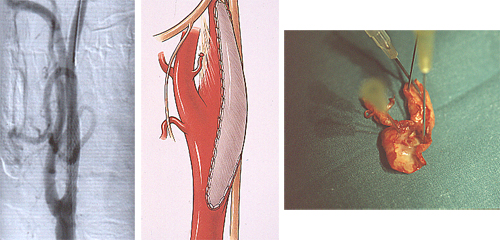
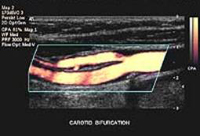
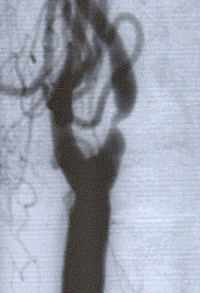
Un examen no invasivo con ultrasonido Eco-Doppler puede confirmar el diagnóstico de la enfermedad de las arterias carótidas y determinar su gravedad. Si experimenta síntomas de mini-infarto (como los descritos anteriormente), consulte a un cirujano vascular, que trata enfermedades vasculares y puede realizar todos los tratamientos disponibles, incluyendo la administración de medicamentos, los procedimientos endovasculares con angioplastia con stent y el tratamiento quirúrgico de referencia que es la endarterectomía carotídea.
Todos estos procedimientos diagnósticos y terapéuticos deben ser facilitados por profesionales expertos en este tipo de dolencia.
- Tratamiento
Según la gravedad de su enfermedad, las opciones de tratamiento pueden incluir cambios en el estilo de vida, medicamentos o procedimientos intervencionistas tales como la endarterectomía carotídea o la angioplastia con stent mediante técnica endovascular.
Según las guías internacionales de actuación clínica y la literatura médica más reciente, se aconseja la endartectomía carotideacomo primera elección al ofrecer mejores resultados tanto en pacientes asintomáticos (pacientes que todavía no han presentado síntomas pero con estenosis iguales o superiores al 70%) como sintomáticos (que ya han presentado síntomas de embolia cerebral).
La angioplastia y stent es una buena alternativa cuando los pacientes que precisan intervención sean de alto riesgo quirúrgico (cardiopatía severa, cuellos irradiados, lesiones intracraneales). Los profesionales que practiquen cualquiera de estas técnicas deben tener mucha experiencia y ofrecer muy bajas tasas de complicaciones.