




- Unidades médicas
- Todas las Unidades médicas
- Instituto del Corazón
- Instituto Oncológico
- Instituto de Neurociencias
- Instituto de Neumología
- Instituto de Terapia Regenerativa Tisular (ITRT)
- Clínica del Tenis
- Unidad de Reproducción Asistida
- Unidad de Síndromes de Sensibilización Central
- Unidad de Obesidad
- Unidad de Medicina y Cirugía sin sangre
- Unidad de atención al lesionado de tráfico
- Unidad de Medicina Marítima
- Unidad de Tratamiento del Dolor
- Unidad de enfermedades inflamatorias y autoinmunes sistémicas
- Unidad del Sueño
- Unidad del Virus del Papiloma Humano
- Especialidades
- Todas las Especialidades
- Cardiología
- Cirugía General
- Cirugía plástica y estética
- Cirugía maxilofacial
- Unidad de Dermatología
- Gastroenterología
- Ginecología y obstetricia
- Medicina Interna
- Neumología
- Neurología y Neurocirugía
- Instituto Oncológico Teknon
- Otorrinolaringología
- Unidad de Pediatría
- Traumatología
- Urología
- Consultorios
- Cuadro médico
- Área diagnóstica
- Nuestro centro
- Todas las Áreas
- Hospitalización
- Enfermería
- Área Quirúrgica
- UCI
- Unidad de Semicríticos
- Urgencias
- Atención al Paciente
- Área Paciente Privado
- Programa Internacional
- Comité de Ética Asistencial
- Investigación
- Programa de Alimentación Saludable
- Programa de Seguimiento Personalizado
- Calidad y Seguridad del Paciente
- Actualidad


- Unidades médicas
- Todas las Unidades médicas
- Instituto del Corazón
- Instituto Oncológico
- Instituto de Neurociencias
- Instituto de Neumología
- Instituto de Terapia Regenerativa Tisular (ITRT)
- Clínica del Tenis
- Unidad de Reproducción Asistida
- Unidad de Síndromes de Sensibilización Central
- Unidad de Obesidad
- Unidad de Medicina y Cirugía sin sangre
- Unidad de atención al lesionado de tráfico
- Unidad de Medicina Marítima
- Unidad de Tratamiento del Dolor
- Unidad de enfermedades inflamatorias y autoinmunes sistémicas
- Unidad del Sueño
- Unidad del Virus del Papiloma Humano
- Especialidades
- Todas las Especialidades
- Cardiología
- Cirugía General
- Cirugía plástica y estética
- Cirugía maxilofacial
- Unidad de Dermatología
- Gastroenterología
- Ginecología y obstetricia
- Medicina Interna
- Neumología
- Neurología y Neurocirugía
- Instituto Oncológico Teknon
- Otorrinolaringología
- Unidad de Pediatría
- Traumatología
- Urología
- Consultorios
- Cuadro médico
- Área diagnóstica
- Nuestro centro
- Todas las Áreas
- Hospitalización
- Enfermería
- Área Quirúrgica
- UCI
- Unidad de Semicríticos
- Urgencias
- Atención al Paciente
- Área Paciente Privado
- Programa Internacional
- Comité de Ética Asistencial
- Investigación
- Programa de Alimentación Saludable
- Programa de Seguimiento Personalizado
- Calidad y Seguridad del Paciente
- Actualidad


- Especialidades
 Traumatología
- Tratamientos y Especialidades
- Prótesis de rodilla
Prótesis de rodilla
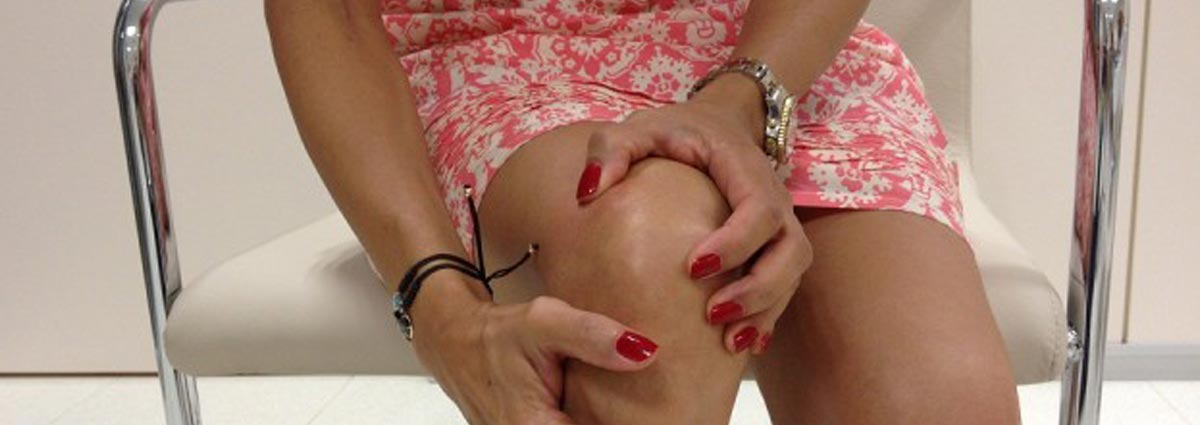
La mayoría de los reemplazos de rodilla se realizan en casos de artrosis avanzada, cuando la enfermedad ha dañado la articulación y, realizar un pequeño ejercicio como puede ser caminar, se convierte en un acto doloroso y que requiere un gran esfuerzo.
En un índice menor de casos, los reemplazos de rodilla pueden realizarse debidos a enfermedades inflamatorias reumáticas o bien por necrosis ósea (infartos del hueso).
- ¿Qué es la artrosis?
Definimos la artrosis como una enfermedad degenerativa de la articulación en la que se pierde el cartílago articular que cubre el hueso en las zonas de contacto. La artrosis es una enfermedad lenta y progresiva que produce un desgaste progresivo de la articulación hasta prácticamente su destrucción. La artrosis afecta mayoritariamente a personas de entre 65 y 80 años, pero puede variar en función del peso, la actividad del paciente y la anatomía de la rodilla. Afecta, en la mayoría de casos, a más mujeres que a hombres.
A medida que la artrosis avanza y hay una pérdida del cartílago de la articulación que lleva al contacto hueso con hueso, el paciente sufre un mayor dolor y su calidad de vida se ve mermada. En fases iniciales, este dolor puede tratarse con antiinflamatorios. Cuando la artrosis se encuentra en fases avanzadas y el dolor es incapacitante es el momento de realizar un reemplazo de rodilla.
- ¿Cómo se determina el grado de la lesión?
En primer lugar, el especialista le realizará un breve interrogatorio y una exploración clínica. Para completar el diagnóstico, debe solicitar radiografías, dónde podrá comprobar la pérdida de cartílago. En determinados casos también es necesario realizar una resonancia magnética o una TAC.
- ¿Cuándo debo operarme?
La cirugía se realiza en casos de artrosis avanzada cuando el paciente pierde capacidad funcional y calidad de vida en las actividades de la vida diaria. En todo caso, será el especialista el que hará la indicación de la prótesis y el propio paciente el que decidirá el momento de operarse.
- What type of prostheses are fitted?
The prostheses used in these replacements attempt to replicate the normal movement of the knee. There are basically two types of prostheses:
- Unicompartmental prostheses. Unicompartmental prostheses (partial knee replacement) is performed in cases where cartilage degeneration affects only one of the three compartments that make up the knee. Therefore, only the affected compartment needs to be replaced, as the rest of the joint is well preserved. The correct selection of patients is essential to achieving a good outcome. In fact, this technique is only indicated in about 10% of cases.
- Full prostheses. In total knee replacement (knee arthroplasty), the bone ends of the femur and tibia are replaced with prosthetic components. These elements are connected to each other and to the kneecap, which is sometimes also replaced, depending on the deformities, damage or the surgeon's criteria. There are different types of total prostheses, and the choice will depend on the patient's characteristics, age, bone quality and structure, ligament laxity, etc.
Most prostheses are made of plastic (high-density polyethylene) and metal (chromium-cobalt alloy) components so that the parts slide against each other like healthy cartilage, allowing the patient to perform normal knee movements. The prosthetic components are attached to the bone using a ‘cement’ (polymethyl methacrylate) that provides immediate fixation of the prosthesis.
- How long will I be hospitalised?
Hospital admission is usually around six days, but this may vary depending on how the patient progresses.
- Will I need to undergo rehabilitation?
It is important to follow a specific rehabilitation programme, which should be designed by a specialist and supervised by a physiotherapist. As a general rule, rehabilitation will be carried out daily for the first four weeks after the operation, and then intermittent sessions may be carried out for a further four weeks.
In most cases, six weeks after surgery you will be able to perform most everyday activities without the aid of crutches.
Recovery is not a slow process; it does not take many months, nor is it a painful process.
- Will I be able to do physical exercise?
Unless contraindicated, you may engage in moderate physical exercise. High-impact sports are not recommended, as they cause greater wear and tear on the prosthesis and may necessitate replacement sooner than usual.
- How long does a prosthesis last?
This is a frequently asked question in the clinic. Patients want to know when they will need to have their prosthesis replaced. The answer depends on each individual case, as it may vary depending on the person's level of activity or functional needs.
In most cases, a prosthesis can last between 15 and 20 years. The work performed by the surgeon in the operating theatre and the patient's use of the prosthesis are the two most decisive factors in determining its lifespan.
- A quina edat es pot realitzar un reemplaçament de genoll?
Els pacients que pateixen artrosi viuen amb un dolor que sovint els impedeix realitzar les activitats quotidianes amb normalitat. No existeix una edat determinada a partir de la qual es pugui fer un reemplaçament de genoll, aquest moment s'ha de determinar en funció del grau de la lesió i el dolor del pacient.
Tot i que en la majoria de casos els pacients tenen més de 60 anys, això no significa que un pacient de 50 anys hagi de patir un dolor continu a l'espera de fer els 60 i poder realitzar el reemplaçament. La pròtesi s'ha de col·locar en el moment en què sigui necessari. El seu especialista li ho indicarà.