


- Medical directory
- Specialities
- Specialised Units
 Teknon Cardiology Institute
 Obesity Unit
 Teknon Oncology Institute
 Bloodless Medicine and Surgery Unit
 Teknon Institute of Neurosciences
 Traffic Accident Care Unit
 Teknon Pulmonology Unit
 Maritime Medicine Unit
 Institute of Tissue Regenerative Therapy
 Teknon Pain Treatment Unit
 Teknon Tennis Clinic
 Systemic Inflammatory and Autoimmune Diseases Unit
 Assisted Reproduction Unit
 Sleep Unit
 Unidad de Síndromes de Sensibilización Central
 Unidad del Virus del Papiloma Humano
- Specialised Units
- Diagnostics
- Diagnostic tests
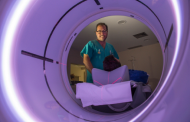 Diagnostic ImagingDiagnostic and interventional scans.
 Anatomical pathology laboratoryAllows to obtain a second opinion from renowned specialists.
 Clinical Analysis LaboratoryComprehensive service in the clinical area.
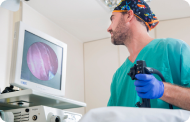 EndoscopyAn accurate diagnosis without conventional surgery.
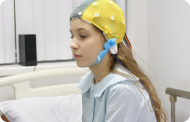 ElectrophysiologyFunctional exploration of the central nervous system.
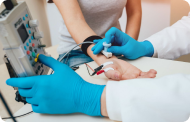 ElectromyographyClinical and neurophysiological evaluation of neuromuscular pathology.
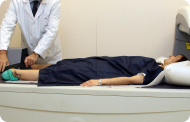 DensitometryDiagnostic technique for checking bone mineral density.
 UrodynamicsDiagnosis of urination disorders and incontinence.
- Medical check-ups

 GeneralThe most intelligent health check-up
 FullA comprehensive examination of your health
 Full PlusOur most exclusive check-up
 TravellersWhen travelling, your health is also part of your luggage
 SportA thorough review to boost your performance
 CardiologyGood news is knowing your heart is under control
 For companiesA tool that enhances employee satisfaction, productivity, and loyalty
- Diagnostic tests
- Our centre
- Teknon Healthcare Service Areas
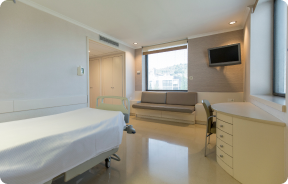 InpatientBright, functional and fully equipped rooms.
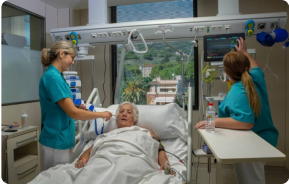 Semi-critical Care UnitEquipped with technology for diagnoses and treatments that require special care.
 Healthy Nutrition ProgrammeWe want to improve people’s health, which is why we promote healthy, conscious and sustainable nutrition at our hospitals.
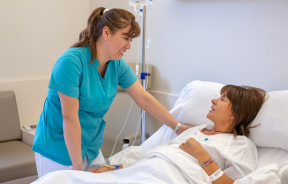 NursingOver 400 professionals.
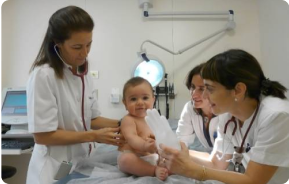 Emergency DepartmentUninterrupted operation, 24/7 at your service.
 Exclusivity / Teknon ClubCommitted to superior and individualised service, we furnish a full range of services in conjunction with our medical and healthcare support.
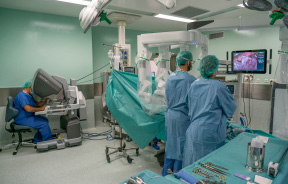 Surgical AreaA total of twenty (20) operating theatres, 12 of which are equipped for high-risk surgery.
 International ProgrammeA programme agent will provide you with comprehensive, personalised support
 Healthcare Ethics CommitteeGuidance for citizens and professionals in cases of moral conflicts.
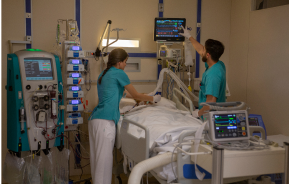 ICU-CCUMultipurpose unit incorporating treatment cubicles equipped with modern monitoring systems.
 Patient servicesAvailable to all our patients and their companions.
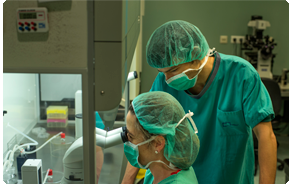 ResearchResearch is one of the cornerstones of Centro Médico Teknon.
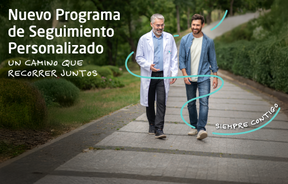 Personalised Follow-up ProgrammeWe accompany you throughout your medical journey. We organise your appointments and tests.
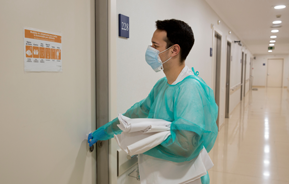 Patient Quality and SafetyOur management models are based on the most stringent national and international standards.
- Teknon Healthcare Service Areas
- News
- News
 NewsKeep abreast of the events at Centro Médico Teknon. Visit our News section.
 AgendaHere we post upcoming events and discussions on relevant health topics. Visit our Agenda section to see what’s up.
 VideosThis section contains an extensive collection of videos related to our specialities.
 PodcastOur specialists discuss current medical topics, innovative treatments, health advice and patient experience.
 Health content
- News
- Blog


- Medical directory
- Specialities
- Specialised Units
- Teknon Cardiology Institute
- Obesity Unit
- Teknon Oncology Institute
- Bloodless Medicine and Surgery Unit
- Teknon Institute of Neurosciences
- Traffic Accident Care Unit
- Teknon Pulmonology Unit
- Maritime Medicine Unit
- Institute of Tissue Regenerative Therapy
- Teknon Pain Treatment Unit
- Teknon Tennis Clinic
- Systemic Inflammatory and Autoimmune Diseases Unit
- Assisted Reproduction Unit
- Sleep Unit
- Unidad de Síndromes de Sensibilización Central
- Unidad del Virus del Papiloma Humano
- Specialised Units
- Diagnostics
- Diagnostic tests
- Diagnostic ImagingDiagnostic and interventional scans.
- Anatomical pathology laboratoryAllows to obtain a second opinion from renowned specialists.
- Clinical Analysis LaboratoryComprehensive service in the clinical area.
- EndoscopyAn accurate diagnosis without conventional surgery.
- ElectrophysiologyFunctional exploration of the central nervous system.
- ElectromyographyClinical and neurophysiological evaluation of neuromuscular pathology.
- DensitometryDiagnostic technique for checking bone mineral density.
- UrodynamicsDiagnosis of urination disorders and incontinence.
- Medical check-ups
- GeneralThe most intelligent health check-up
- FullA comprehensive examination of your health
- Full PlusOur most exclusive check-up
- TravellersWhen travelling, your health is also part of your luggage
- SportA thorough review to boost your performance
- CardiologyGood news is knowing your heart is under control
- For companiesA tool that enhances employee satisfaction, productivity, and loyalty
- Diagnostic tests
- Our centre
- Teknon Healthcare Service Areas
- InpatientBright, functional and fully equipped rooms.
- Semi-critical Care UnitEquipped with technology for diagnoses and treatments that require special care.
- Healthy Nutrition ProgrammeWe want to improve people’s health, which is why we promote healthy, conscious and sustainable nutrition at our hospitals.
- NursingOver 400 professionals.
- Emergency DepartmentUninterrupted operation, 24/7 at your service.
- Exclusivity / Teknon ClubCommitted to superior and individualised service, we furnish a full range of services in conjunction with our medical and healthcare support.
- Surgical AreaA total of twenty (20) operating theatres, 12 of which are equipped for high-risk surgery.
- International ProgrammeA programme agent will provide you with comprehensive, personalised support
- Healthcare Ethics CommitteeGuidance for citizens and professionals in cases of moral conflicts.
- ICU-CCUMultipurpose unit incorporating treatment cubicles equipped with modern monitoring systems.
- Patient servicesAvailable to all our patients and their companions.
- ResearchResearch is one of the cornerstones of Centro Médico Teknon.
- Personalised Follow-up ProgrammeWe accompany you throughout your medical journey. We organise your appointments and tests.
- Patient Quality and SafetyOur management models are based on the most stringent national and international standards.
- Teknon Healthcare Service Areas
- News
- News
- NewsKeep abreast of the events at Centro Médico Teknon. Visit our News section.
- AgendaHere we post upcoming events and discussions on relevant health topics. Visit our Agenda section to see what’s up.
- VideosThis section contains an extensive collection of videos related to our specialities.
- PodcastOur specialists discuss current medical topics, innovative treatments, health advice and patient experience.
- Health content
- News
- Blog


- Specialities
 Unidad de Inmunología y Alergia Teknon
- Datos de interés
- Diagnostic tests
 Centro Médico Teknon
- Centro Médico Teknon
- Centro Médico Teknon
- Centro Médico Teknon

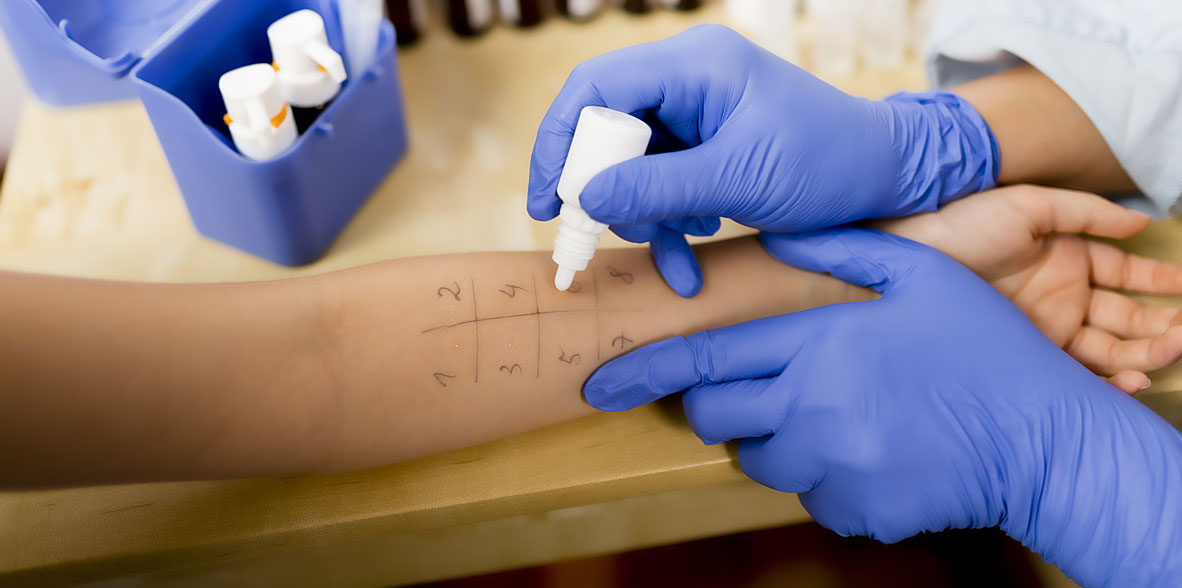
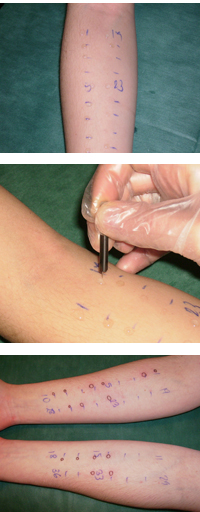 Allergen-specific skin tests. For the diagnosis of respiratory and food allergies, skin tests are performed with the "prick" technique and are quick, painless, sensitive, reproducible and practically free of risks for the patient's health. This test consists of applying drops of food extracts or environmental allergens to the arms, followed by a light puncture with a lancet. After 15 minutes, a wheal will form at the point where the allergen to which the patient is sensitive is deposited. The interpretation of this reaction is assessed and explained by the allergist.
- Blood and mucous secretion tests. They allow to verify the existence of allergy markers (increase of total immunoglobulin E (IgE)), increase of eosinophilic leukocytes (eosinophilia). It is very important to measure the level of specific IgE antibodies for the allergens detected (mites, pollens, animal epithelia, fungi or food) as they help to confirm and assess the intensity of the allergy.
- Mucosal provocation tests (conjunctival and nasal tests). Using the allergens involved in a controlled manner, in addition to certifying the relationship between exposure to the allergen and symptoms, they can be essential in the study of some types of allergies such as occupational allergies, as well as in the follow-up and evaluation of immunotherapy.
- Epicutaneous tests. Also called "patch test" in which the products to be studied, duly prepared in glycerin, are applied in small quantities on the skin and in an occlusive manner for 48 hours. After this time and up to 72 to 96 hours, readings are taken in search of an inflammatory reaction that can range from a simple redness to the production of blisters. The interpretation of these tests should be careful and always relate them to the clinical history. Products (cream, perfume or cosmetics) related to the appearance of the symptoms can be applied in this test. There are specific batteries according to the work environment (hairdressing, industry, pharmaceuticals) or substances (glues, dyes, cosmetics, etc.) with which the patient comes into contact. Some varieties also require the application of light or UVA rays.
- Spirometry and bronchodilation test. This test evaluates the bronchial capacity of the patient and the affectation that diseases such as asthma, chronic cough, bronchitis or chronic obstructive pulmonary disease cause in it. It is used to check pulmonary function during asthma treatment and during crises. It consists of blowing through a spirometer after a deep inspiration. Subsequently, an aerosol bronchodilator is inhaled to repeat the same maneuver 15 minutes later.
- Metacholine or bronchial hyperreactivity test. Through this test it is possible to know if the bronchi may suffer a bronchospasm due to a non-specific stimulus such as viruses producing respiratory infections, physical exercise or environmental irritants. It is a useful tool to rule out bronchial asthma, in the study of chronic or persistent cough and in the diagnosis of occupational or exertional asthma. This test consists of performing spirometry after inhalation of a drug at different concentrations, to detect a decrease in the ability to blow at the first second. This test is performed under controlled conditions.
- Exhaled Nitric Oxide Measurement. This non-invasive test is aimed at evaluating the degree of bronchial inflammation in respiratory diseases such as allergic and non-allergic asthma, as well as the good response to its treatment with inhalers. It also helps to know when to stop this medication. It consists of blowing for 10 seconds through a nitric oxide detector, a gas that is produced more in situations of airway inflammation
- Pruebas de alergia a medicamentos
El diagnóstico de la alergia a un medicamento implica un proceso que varía de acuerdo al tipo de medicamento implicado y combina diversos tipos de pruebas. En la actualidad no existe un test que descarte la alergia a todos los medicamentos a la vez debido a su inmensa variedad.
Una vez realizada la historia clínica específica y exhaustiva, fundamental en estos casos, se determinará si el paciente sufre otro tipo de alergias y se solicitará una analítica en búsqueda de marcadores específicos de alergia. En el caso de los betalactámicos (penicilina y derivados) y algún otro fármaco, se determinará la existencia de anticuerpos IgE específicos o de células específicamente sensibilizadas por medio de análisis especializados.
En la mayoría de los casos se han de practicar pruebas in vivo, para confirmar el diagnóstico. Estas pruebas pueden realizarse sobre la piel del enfermo o completarse por medio del test de provocación progresiva controlada. En este caso las pruebas deben realizarse bajo estricto control médico y en un ámbito hospitalario ya que implican un riesgo para la salud del paciente, que debe ser debidamente informado solicitándole su conformidad para la realización de la prueba.
Una finalidad importante de estos tests también es determinar que medicamentos alternativos se pueden tomar en forma segura.