




- Unidades médicas
- Todas las Unidades médicas
- Instituto del Corazón
- Instituto Oncológico
- Instituto de Neurociencias
- Instituto de Neumología
- Instituto de Terapia Regenerativa Tisular (ITRT)
- Clínica del Tenis
- Unidad de Reproducción Asistida
- Unidad de Síndromes de Sensibilización Central
- Unidad de Obesidad
- Unidad de Medicina y Cirugía sin sangre
- Unidad de atención al lesionado de tráfico
- Unidad de Medicina Marítima
- Unidad de Tratamiento del Dolor
- Unidad de enfermedades inflamatorias y autoinmunes sistémicas
- Unidad del Sueño
- Unidad del Virus del Papiloma Humano
- Especialidades
- Todas las Especialidades
- Cardiología
- Cirugía General
- Cirugía plástica y estética
- Cirugía maxilofacial
- Unidad de Dermatología
- Gastroenterología
- Ginecología y obstetricia
- Medicina Interna
- Neumología
- Neurología y Neurocirugía
- Instituto Oncológico Teknon
- Otorrinolaringología
- Unidad de Pediatría
- Traumatología
- Urología
- Consultorios
- Cuadro médico
- Área diagnóstica
- Nuestro centro
- Todas las Áreas
- Hospitalización
- Enfermería
- Área Quirúrgica
- UCI
- Unidad de Semicríticos
- Urgencias
- Atención al Paciente
- Área Paciente Privado
- Programa Internacional
- Comité de Ética Asistencial
- Investigación
- Programa de Alimentación Saludable
- Programa de Seguimiento Personalizado
- Calidad y Seguridad del Paciente
- Actualidad


- Unidades médicas
- Todas las Unidades médicas
- Instituto del Corazón
- Instituto Oncológico
- Instituto de Neurociencias
- Instituto de Neumología
- Instituto de Terapia Regenerativa Tisular (ITRT)
- Clínica del Tenis
- Unidad de Reproducción Asistida
- Unidad de Síndromes de Sensibilización Central
- Unidad de Obesidad
- Unidad de Medicina y Cirugía sin sangre
- Unidad de atención al lesionado de tráfico
- Unidad de Medicina Marítima
- Unidad de Tratamiento del Dolor
- Unidad de enfermedades inflamatorias y autoinmunes sistémicas
- Unidad del Sueño
- Unidad del Virus del Papiloma Humano
- Especialidades
- Todas las Especialidades
- Cardiología
- Cirugía General
- Cirugía plástica y estética
- Cirugía maxilofacial
- Unidad de Dermatología
- Gastroenterología
- Ginecología y obstetricia
- Medicina Interna
- Neumología
- Neurología y Neurocirugía
- Instituto Oncológico Teknon
- Otorrinolaringología
- Unidad de Pediatría
- Traumatología
- Urología
- Consultorios
- Cuadro médico
- Área diagnóstica
- Nuestro centro
- Todas las Áreas
- Hospitalización
- Enfermería
- Área Quirúrgica
- UCI
- Unidad de Semicríticos
- Urgencias
- Atención al Paciente
- Área Paciente Privado
- Programa Internacional
- Comité de Ética Asistencial
- Investigación
- Programa de Alimentación Saludable
- Programa de Seguimiento Personalizado
- Calidad y Seguridad del Paciente
- Actualidad


- Especialidades
 Traumatología
- Tratamientos y Especialidades
- Prótesis de cadera.
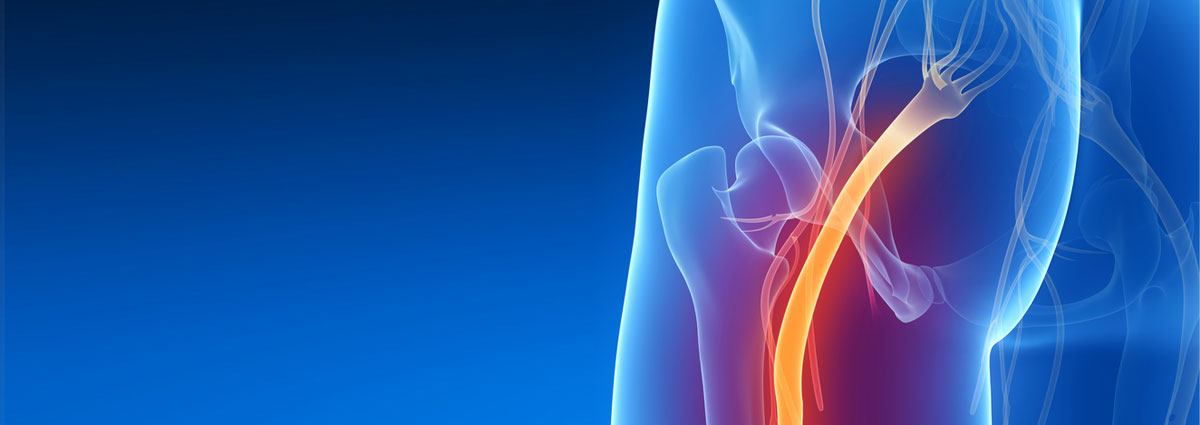
Prótesis de cadera.
La artrosis y la artritis en la cadera son las principales causas de un reemplazo de cadera. Ambas patologías producen un desgaste del cartílago articular que recubre la cabeza del fémur. Esto, a su vez, provoca dolor y falta de movilidad en la zona afectada. En fases iniciales, estos síntomas suelen tratarse con fármacos para aliviar el dolor, pero, en fases más avanzadas, es necesaria la cirugía para que el paciente tenga una calidad de vida óptima.
En la mayoría de los casos, los pacientes que se someten a un reemplazo de cadera (artroplastia de cadera) son mayores de 50 años pero, cada vez es más habitual encontrar pacientes de menor edad.
- What symptoms does the patient have?
Patients who undergo hip replacement suffer from pain in the affected area, which can prevent them from regularly participating in sports or even walking continuously or climbing stairs.
They also tend to suffer from reduced hip mobility, which can prevent them from performing ordinary activities such as tying their shoelaces.
- What diagnostic tests are necessary?
During your consultation, the specialist will examine you and ask you a series of questions to determine the degree of pain and mobility. To confirm the diagnosis and the level of wear and tear on the hip, you may request X-rays.
The specialist may also request other tests to check whether the osteoarthritis has occurred as a result of a previous condition.
- Is surgery always necessary?
In advanced stages, hip replacement surgery is the most appropriate treatment. In hip conditions prior to the onset of osteoarthritis, and depending on each patient, it is possible to perform arthroscopy, a minimally invasive technique that allows the cartilage to be cleaned or predisposing factors to be corrected, in order to delay the placement of a prosthesis.
- What types of prosthetic replacements can be performed, and what materials are they made of?
-
- Surface prosthesis. These are procedures in which the femoral head and the acetabulum (hip socket or concave part of the pelvic surface) are replaced and covered with metal material (metal-on-metal surface prosthesis). This type of prosthesis is usually fitted in men under 70 and women under 60, as it involves preserving the bone, resulting in better patient recovery, a lower risk of dislocation and more durable material. In the event of deterioration or fracture of the femur bone, it can be replaced with a full prosthesis.
- Full prostheses (conventional). These are procedures to replace the femoral head and neck, and also the acetabulum. Normally, the femoral neck is replaced by a titanium piece (stem) inserted into the femur, measuring between 10 and 15 centimetres, with or without cement. The friction surfaces of total prostheses, where movement occurs between the head and the acetabulum, can be made of metal, ceramic or oxinium against polyethylene (plastic), or ceramic against ceramic, depending on the patient's age, needs and expectations for physical activity. Current materials have a lower risk of breakage, allow for greater hip stability, and experience less wear and tear.
-
- How is the surgery performed?
The surgery is performed under general or epidural anaesthesia. The surgeon makes an incision to access the area and replace the acetabulum, the femoral head, and, if necessary, the femoral neck. Several surgeons at Centro Médico Teknon perform this surgery with the assistance of a navigator, enabling precise placement of the implant, which not only reduces the risk of possible complications associated with this surgery, such as dislocation, but also increases the longevity of the implants.
The minimally invasive surgical techniques currently in use also mean that the average stay in hospital is only four days, blood transfusions are rarely needed, and recovery is quicker and less painful. In fact, after 48 hours, most patients control their pain with paracetamol and a conventional anti-inflammatory drug.
- How long does a prosthesis last?
The materials currently used in hip replacement allow for mobility very similar to that of the original joint, depending not so much on the implant, but rather on the degree of previous mobility and subsequent rehabilitation. Although prostheses have a limited lifespan, current materials are increasingly resistant, meaning that prostheses can last more than 15 or 20 years, even when subjected to regular physical activity. Therefore, it will not always be necessary to replace the prosthesis in the future.
- When can you return to your normal routine?
A patient will normally need a pair of crutches for the first 2 to 4 weeks after the operation, then a single crutch for a further 2 to 4 weeks, attending mandatory check-ups whenever indicated by the specialist. It may also be necessary to perform rehabilitation exercises to regain maximum mobility, with or without the help of a physiotherapist.
After one year, check-ups will begin to be annual or biannual, depending on the specialist's instructions.